- Soft food diets are useful in many situations, such as after oral surgery, tooth extractions, or head, neck, or stomach surgeries, as well as for people with chronic issues that make chewing and swallowing difficult.
- There are many nutritious soft foods that can be eaten, such as eggs, soft fruits, cooked vegetables, and certain types of protein, but foods that are hard, crunchy, or sticky should be avoided.
- Soft foods can be prepared in a variety of ways, such as by cutting them into small pieces, using sauces or gravies to moisten them, or pureeing or mashing them. Additionally, there are many soft food recipes available to make the diet more varied and enjoyable.
Need to make a dentist appointment this week? Use Authority Dental to find emergency dental care or a low-cost dentist near you. It’s simple, fast and free.
Looking for soft food dinner ideas? Explore easy soft food recipes for seniors, adults with no teeth, and anyone on a soft diet. Simple, nutritious meals that are easy to eat.
When you should eat a soft food diet
Eating only soft foods comes in handy in many situations. In fact, this diet is good if you have had any type of mouth, tooth, head, neck, or stomach surgery. Also, you may need to follow this diet if you have a chronic issue that makes it difficult to chew and swallow.
For example, if you have gotten a dental implant placed or any type of oral surgery (wisdom teeth, braces, tooth extractions, etc.), your dentist may recommend a soft food diet. That’s a smart option because, first of all, you’ll have pain and discomfort in your mouth after the procedure. Secondly, it allows the surgical sites to heal better and quicker.
According to a 2023 NIH nutrition report, up to 20% of older adults experience difficulty chewing due to tooth loss or temporomandibular disorders, making soft diets not just temporary but essential for long-term nutrition management. Research in the Journal of Nutrition in Gerontology and Geriatrics shows that maintaining adequate protein and fiber intake, even in soft forms, significantly reduces muscle loss and improves recovery after oral surgeries.
In addition to choosing gentle, easy-to-chew foods during periods of oral discomfort, maintaining good oral hygiene remains important both during and after the soft-food phase. Some individuals include daily oral health supplements designed to support a balanced oral microbiome as part of their ongoing oral care routine. Oral probiotics are intended to complement regular brushing, flossing, and professional dental care, not replace them.
What foods to eat
Before you groan at the idea of a soft food diet, you should know there are plenty of soft foods you can eat.
Recent studies emphasize the role of nutrient-dense soft foods like lentils, Greek yogurt, and blended vegetables in supporting oral wound healing and microbiome balance (Nutrients, 2022). Including omega-3–rich fish such as salmon may also lower inflammation markers, which aids in faster gum tissue repair following dental procedures.
Here are just a few ideas for this type of diet:
Grains
Bread, some cereals, muffins, pancakes, or waffle
Some cereals (soft and/or moist)
Pasta/noodles, rice
Saltine crackers in soup
Fruits and vegetables
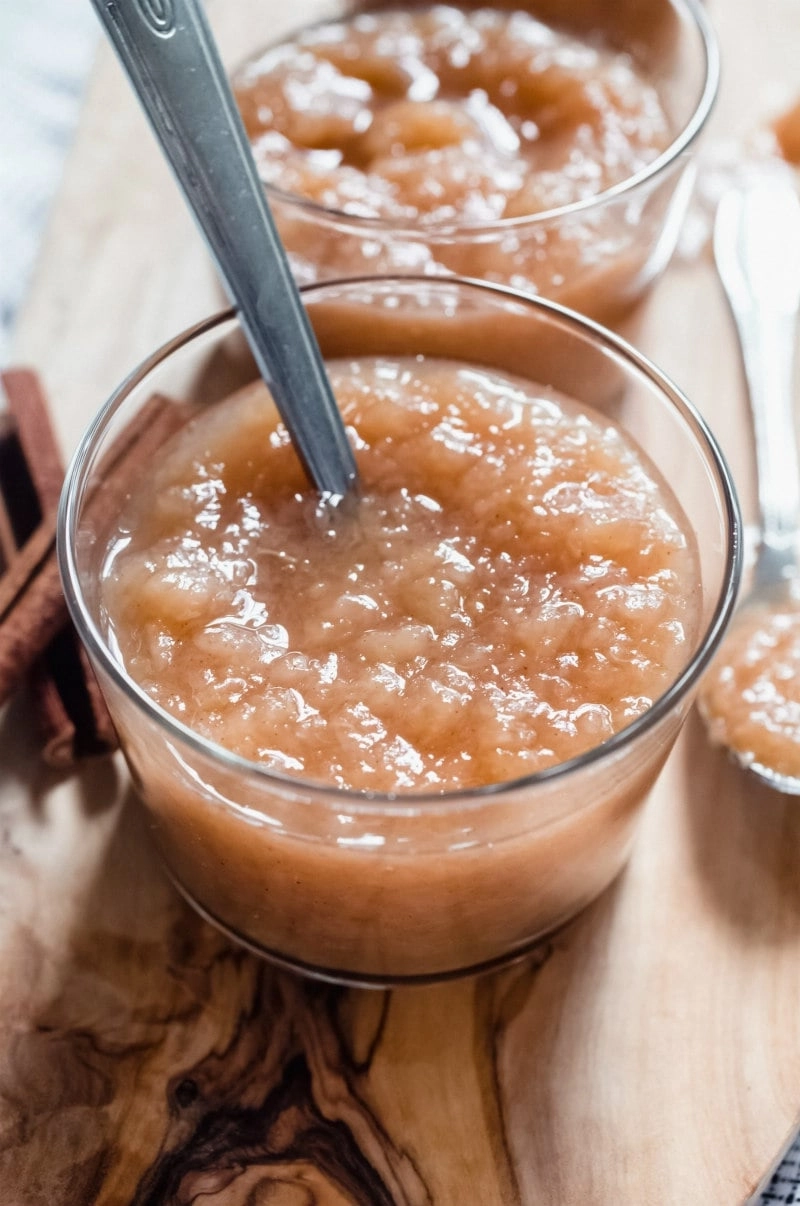
Applesauce
Canned fruit
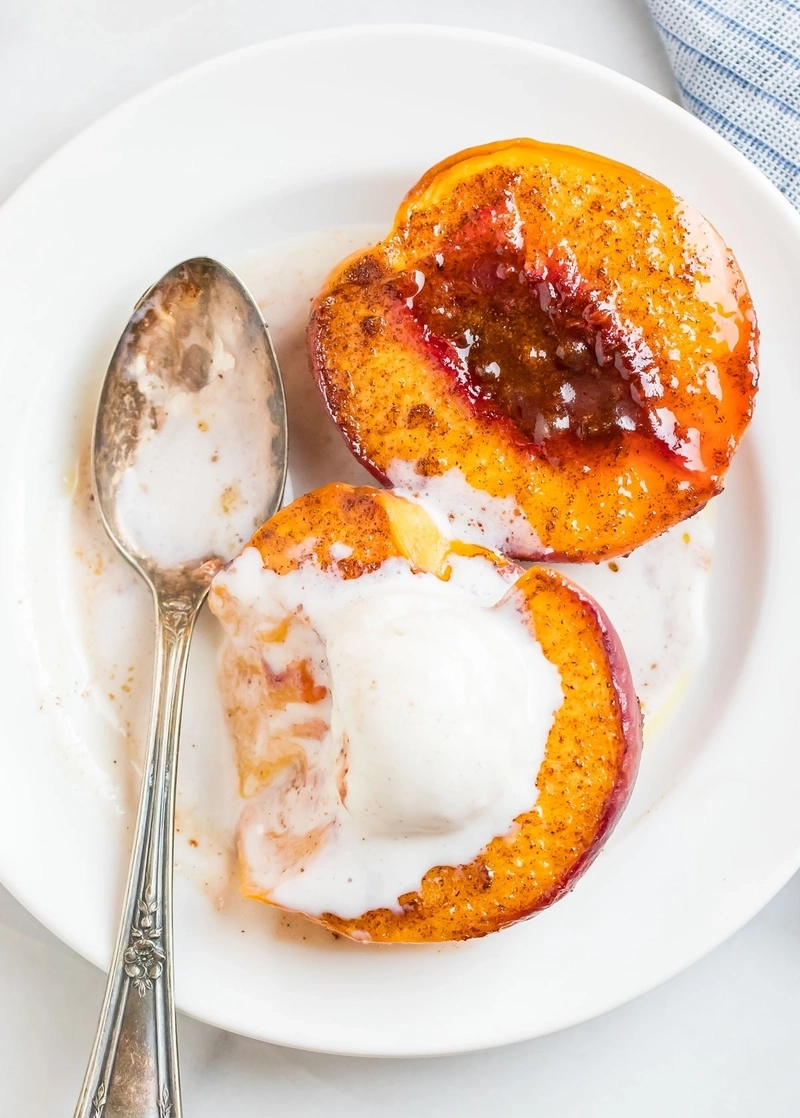
Cooked/baked fruits
Soft fruits with no skin (bananas, peaches, watermelon)
Soft, cooked veggies
Proteins
Eggs (poached, scrambled, or hard/soft boiled)
Easy to chew meat, like fish, chopped/ground poultry
Small pieces of meat in soup
Tofu
Baked beans
Dairy
Cheese (thinly sliced, melted)
Cottage or ricotta cheese
Milk and milkshakes
Ice cream
Yogurt
You should eat food that have a soft texture and are nutritious while on the soft food diet.
What foods to avoid
Yes, there are also plenty of foods you shouldn’t eat. And you should be aware of what they are before you bite into anything.
Here are some off-limits foods for those on a soft food diet:
Starches
Toast, crackers, and hard cereal
Anything with dried fruits, nuts or other seeds
Corn on the cob, uncooked potatoes, hard chips
Bagels, French bread, sourdough bread
Popcorn
Vegetables
Corn on the cob
Peas
Hard, unmashed, raw vegetables
Fruits
Hard fruits, like whole apples, raw carrots
Stringy fruits, like pineapple and mango
Any skin of a fruit
Proteins
Steak
Beef jerky
Bacon
Sausage
Hot dogs
Peanut butter (both creamy and crunchy)
You should avoid any food that’s tough, crunchy, hard, or sticky while on the soft-food diet. You should also avoid eating foods that are spicy, these can upset your stomach and cause bloating.
How to prepare soft foods
So now that you have the list of foods to eat and not to eat, how can you prepare these foods?
Below are some ideas for how to do just that:
Cut food into small pieces.
Use broth, gravy, or sauce to moisten food.
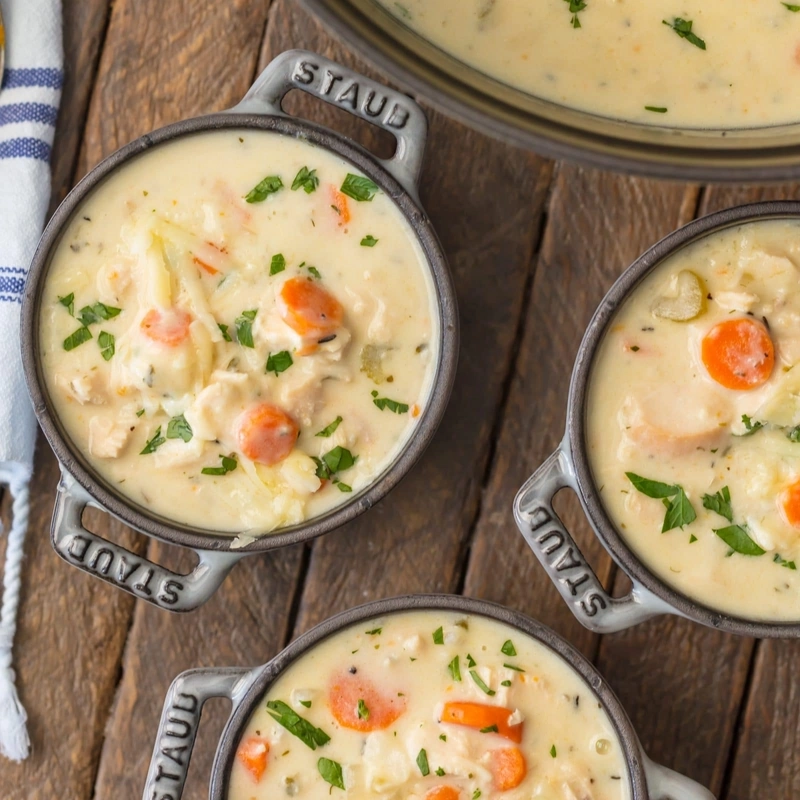
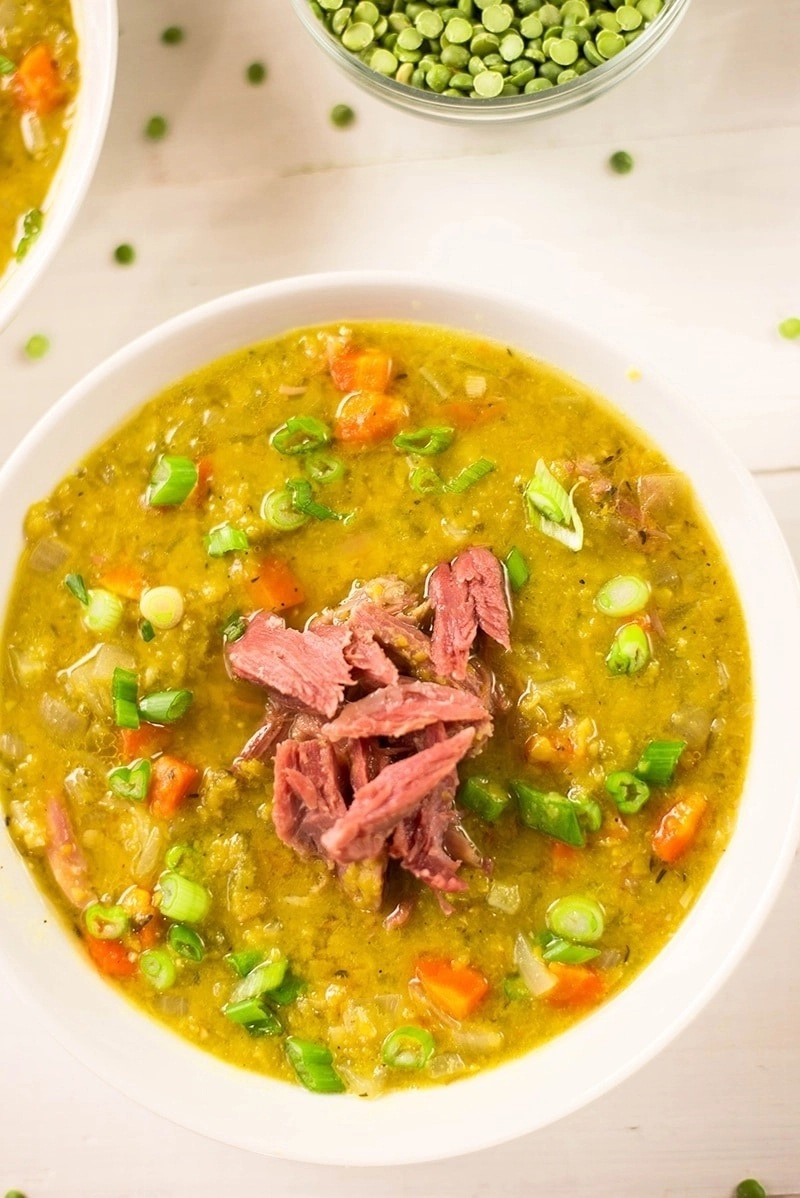
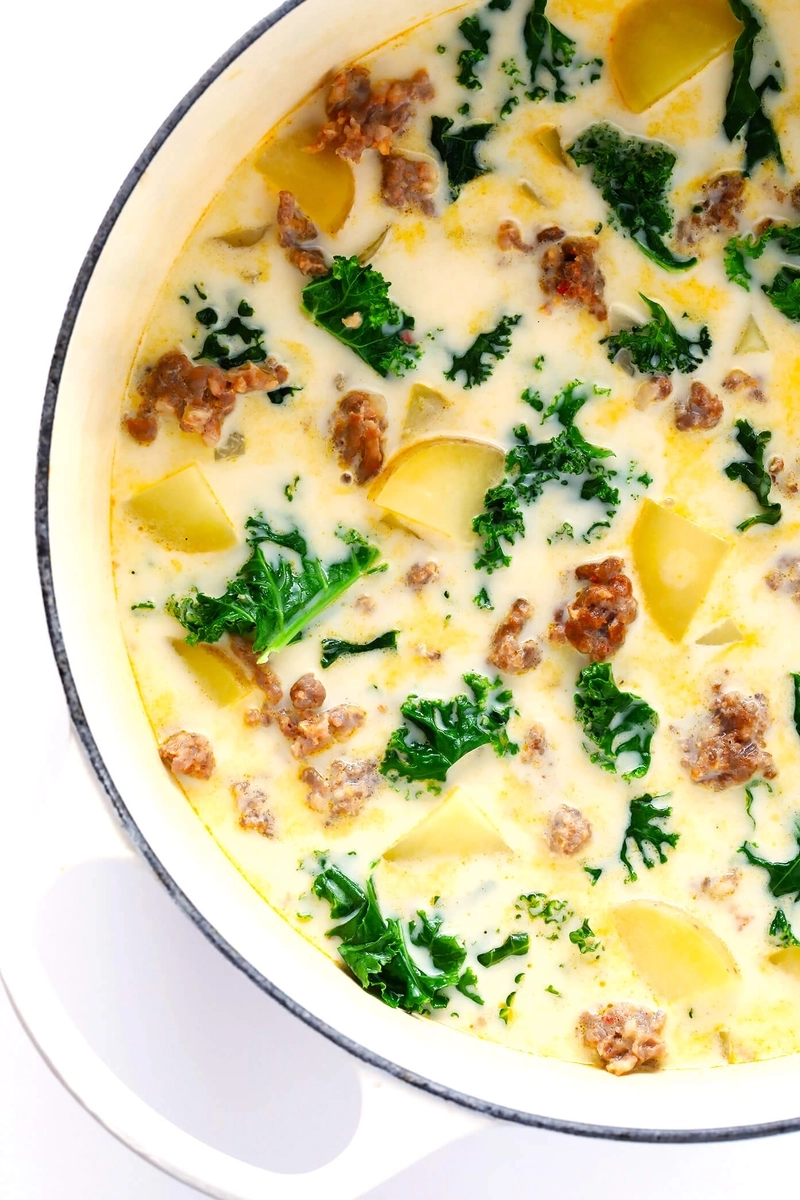
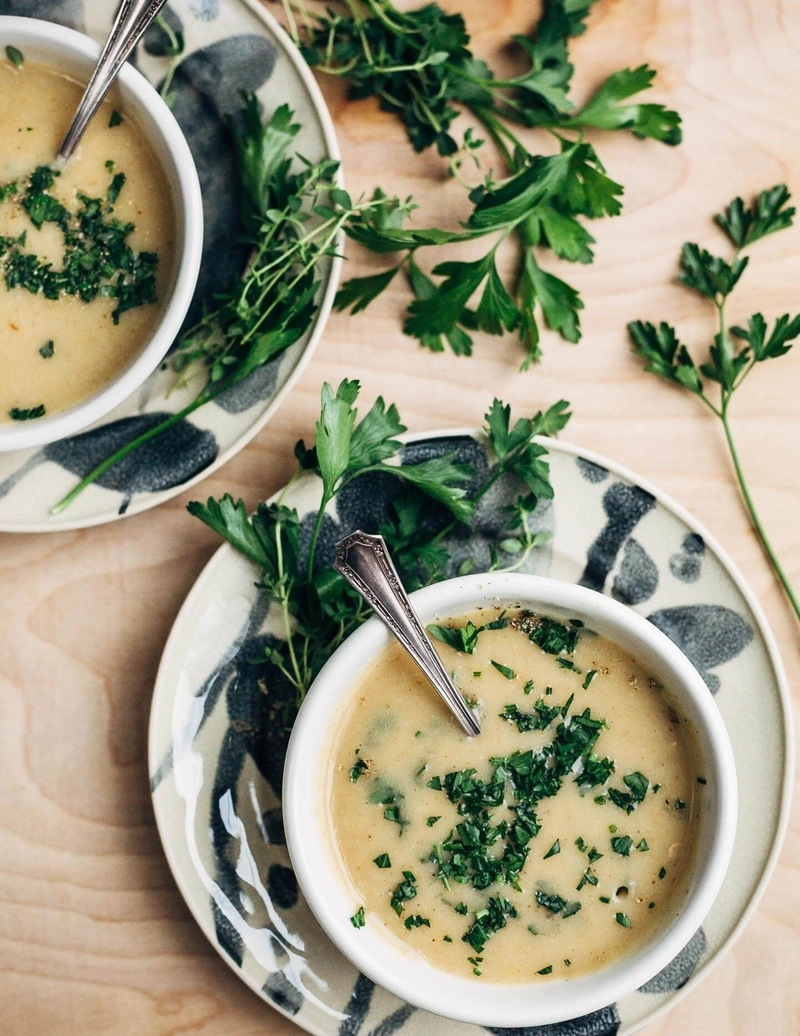
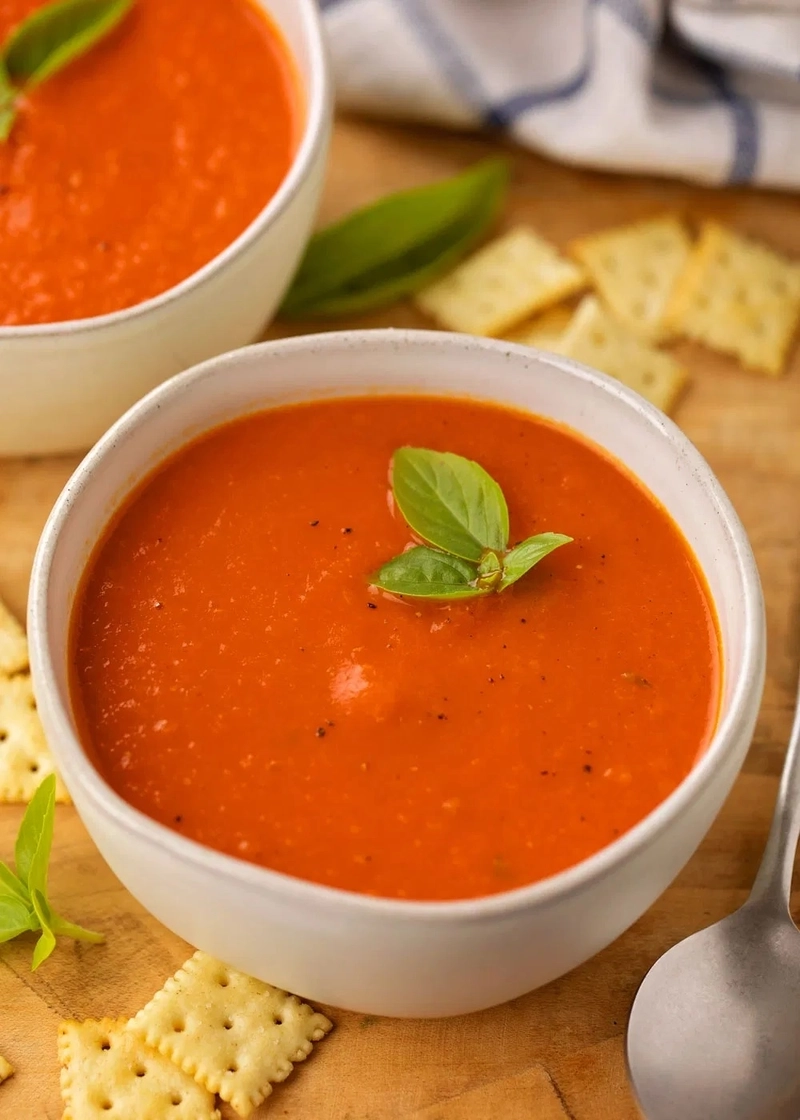
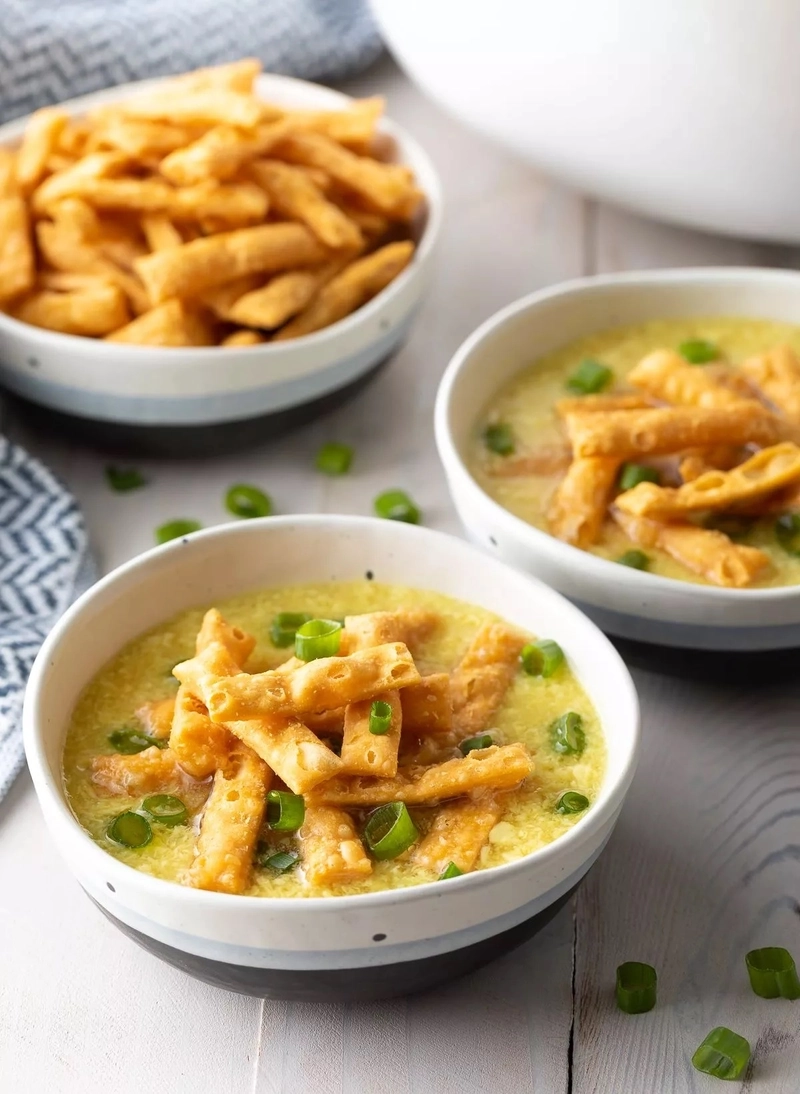
Soup is a healthy and safe option in a soft food diet.
Grind or puree foods.
Mash foods, like potatoes, veggies, and fruits.
Evidence from clinical dietary research suggests that texture-modification techniques, like pureeing with olive oil or adding whey protein to mashed foods, help preserve caloric and micronutrient density. This approach prevents unintended weight loss, a common side effect of prolonged soft diets.
Recipes for the soft food diet
If you’re feeling overwhelmed with this new diet, that’s normal with anyone who begins eating only soft foods.
But don’t worry. This is not the end of the world. In fact, it’s the perfect time to try something new.
A 2024 PubMed-indexed study found that patients adhering to varied soft-food diets reported 30% better satisfaction scores compared to those consuming repetitive purees. Incorporating cultural flavors and temperature variety (e.g., warm broths vs. chilled smoothies) improves adherence and overall nutrient absorption.
You will be able to swallow most of this food without chewing, including meat. Just shred it into tiny pieces using a good food processor.
Here’s the ultimate list of soft food recipes. These are hand-picked, absolutely the best recipes I could find online.
This page will be updated with new recipes, so make sure to pin it for your further reference.
Your teeth will love this food – guaranteed!
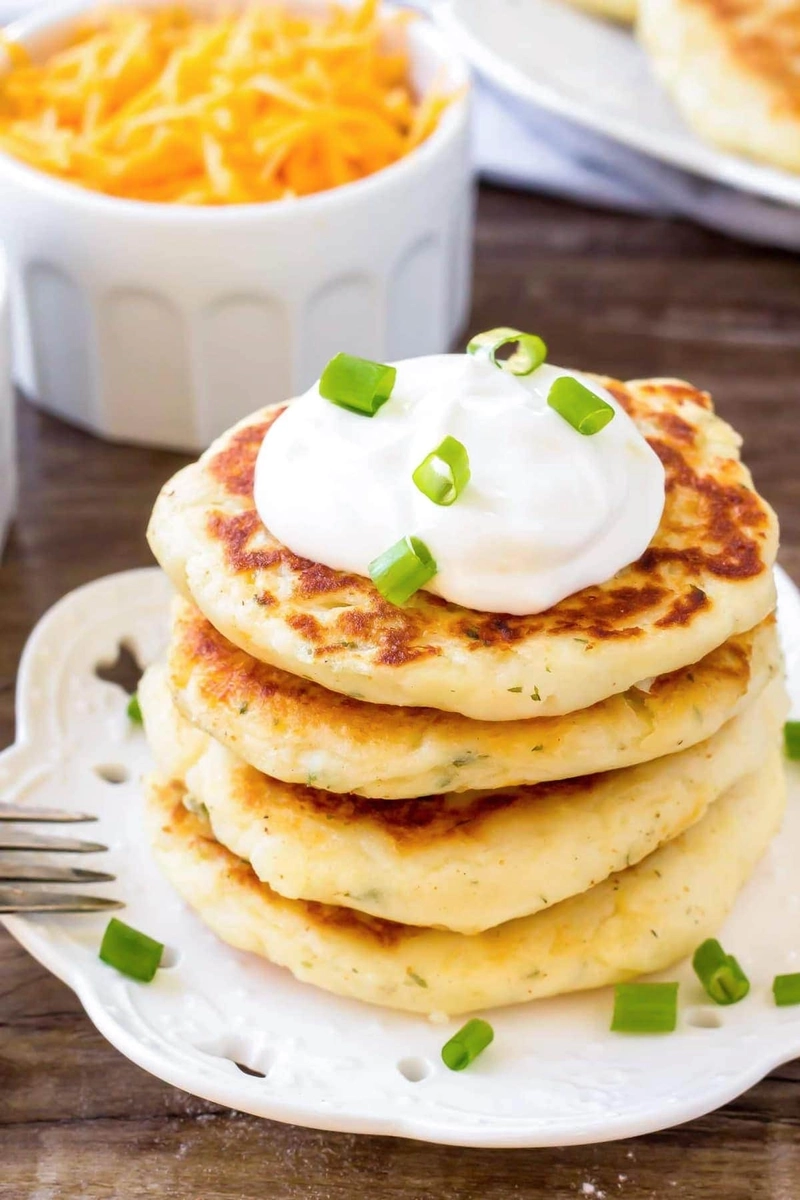
Mashed


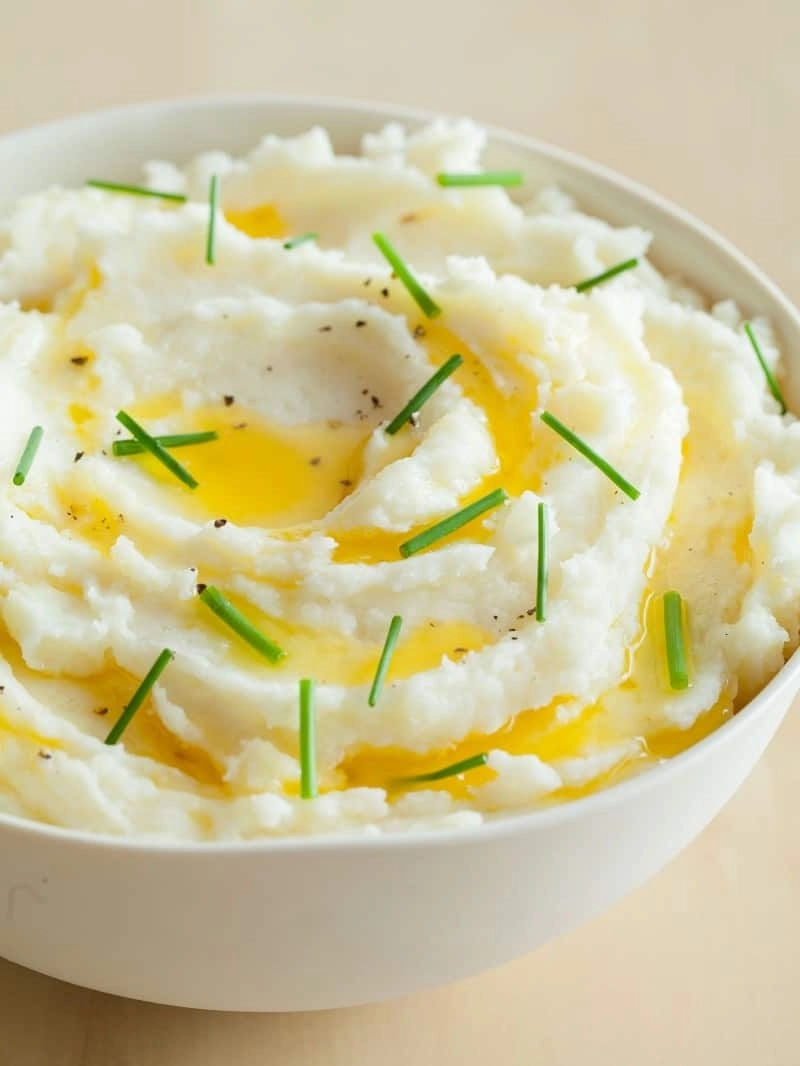


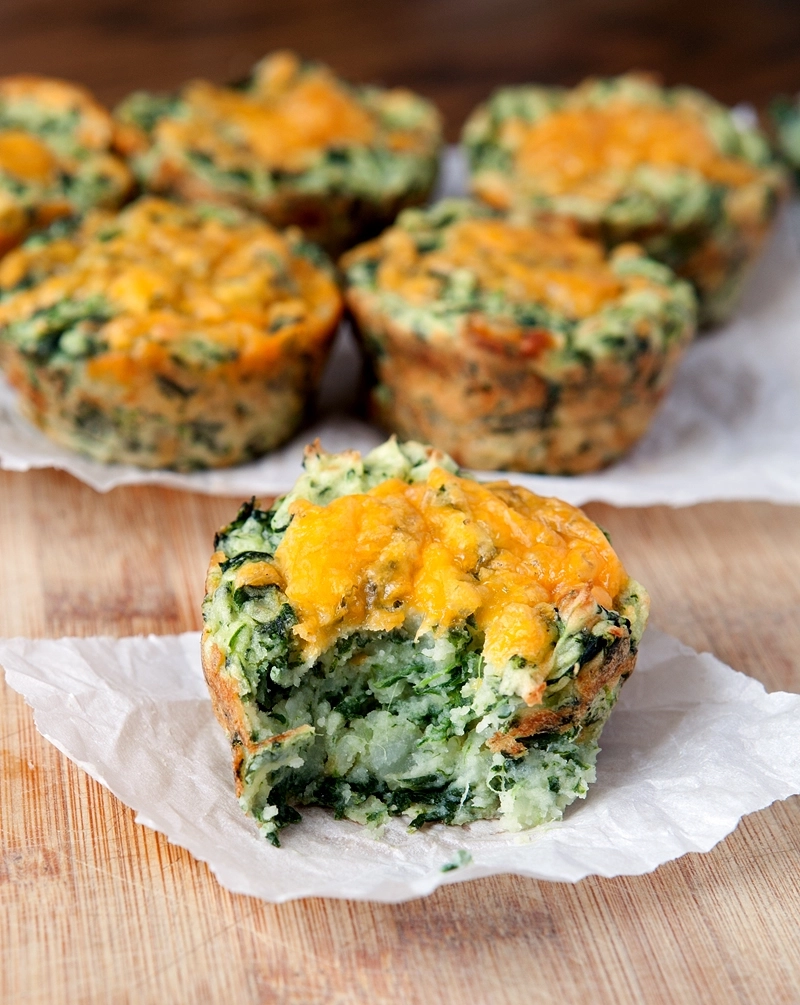
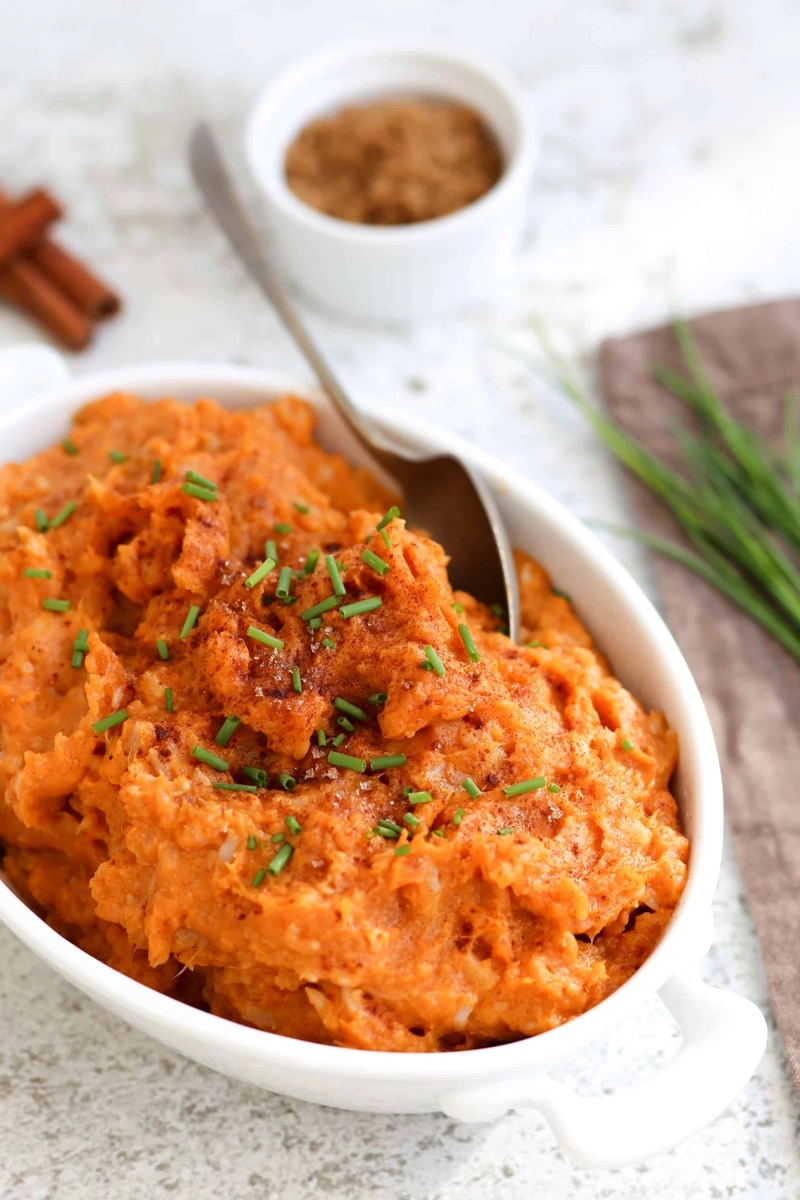
Spiced sweetpotato cauliflower mash



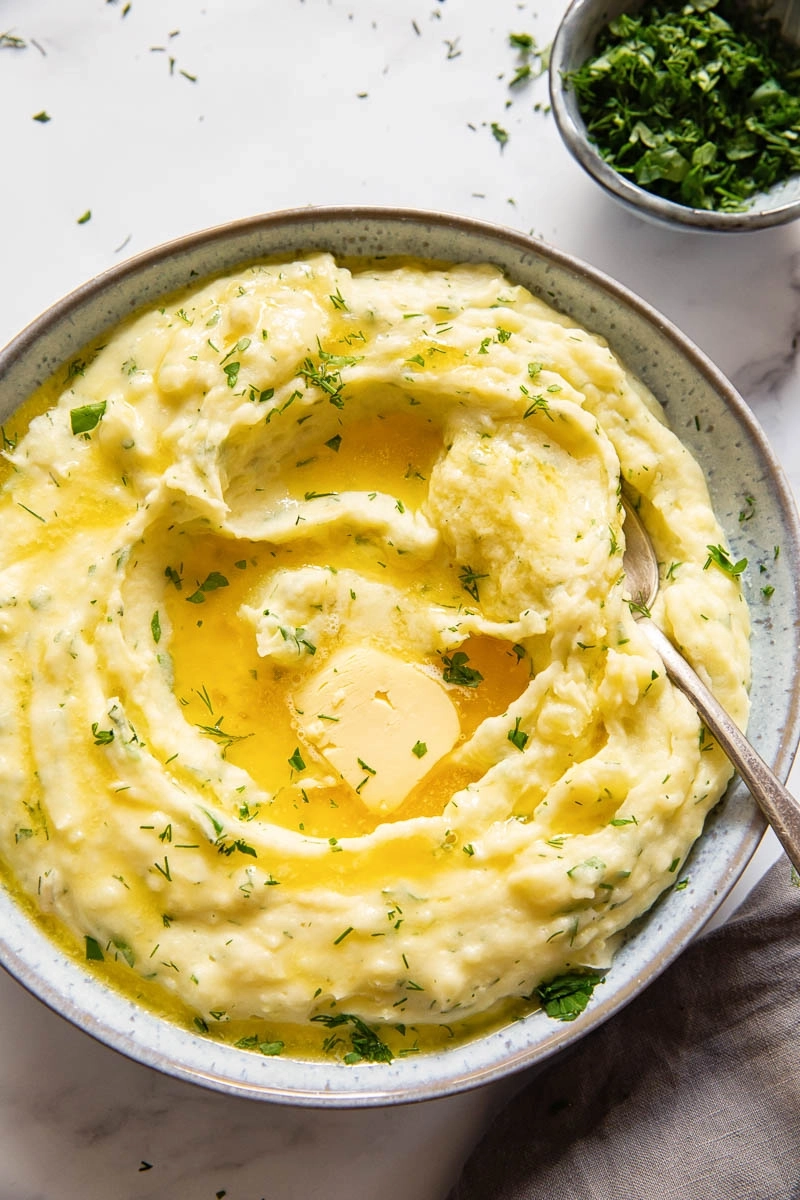

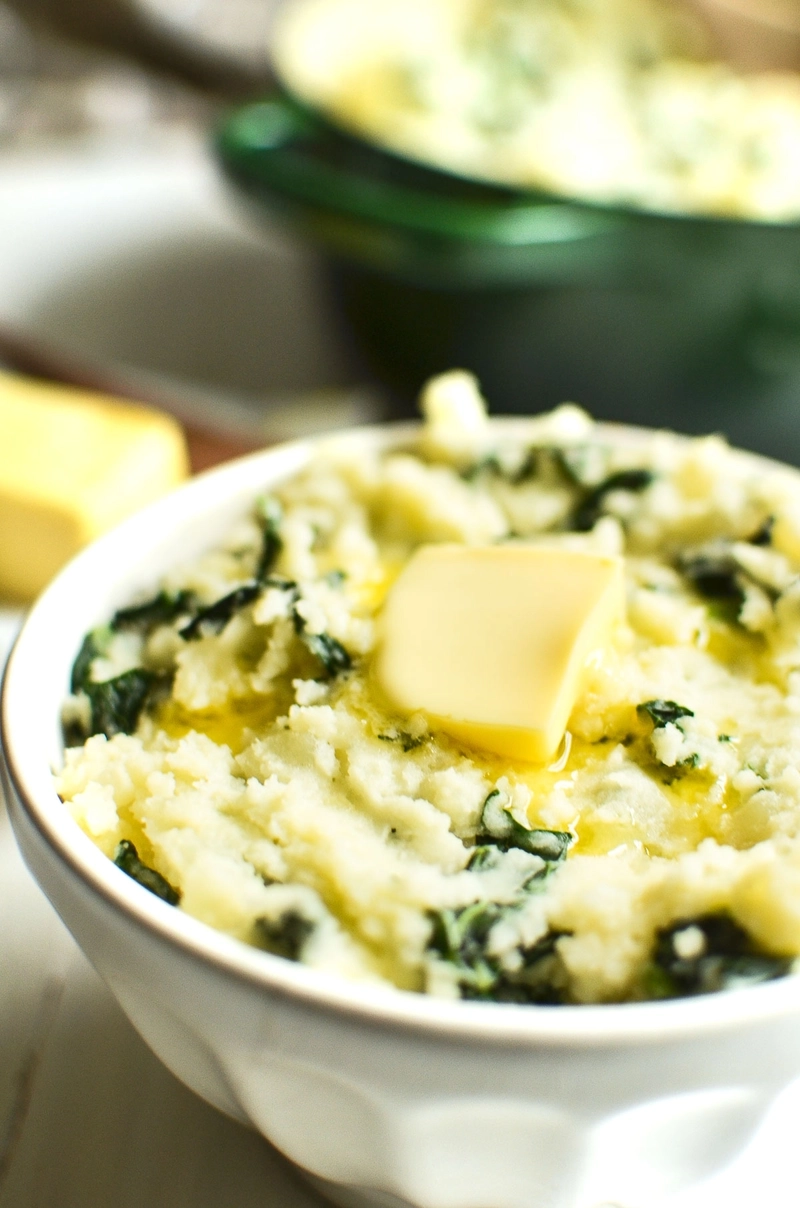
Irish Colcannon



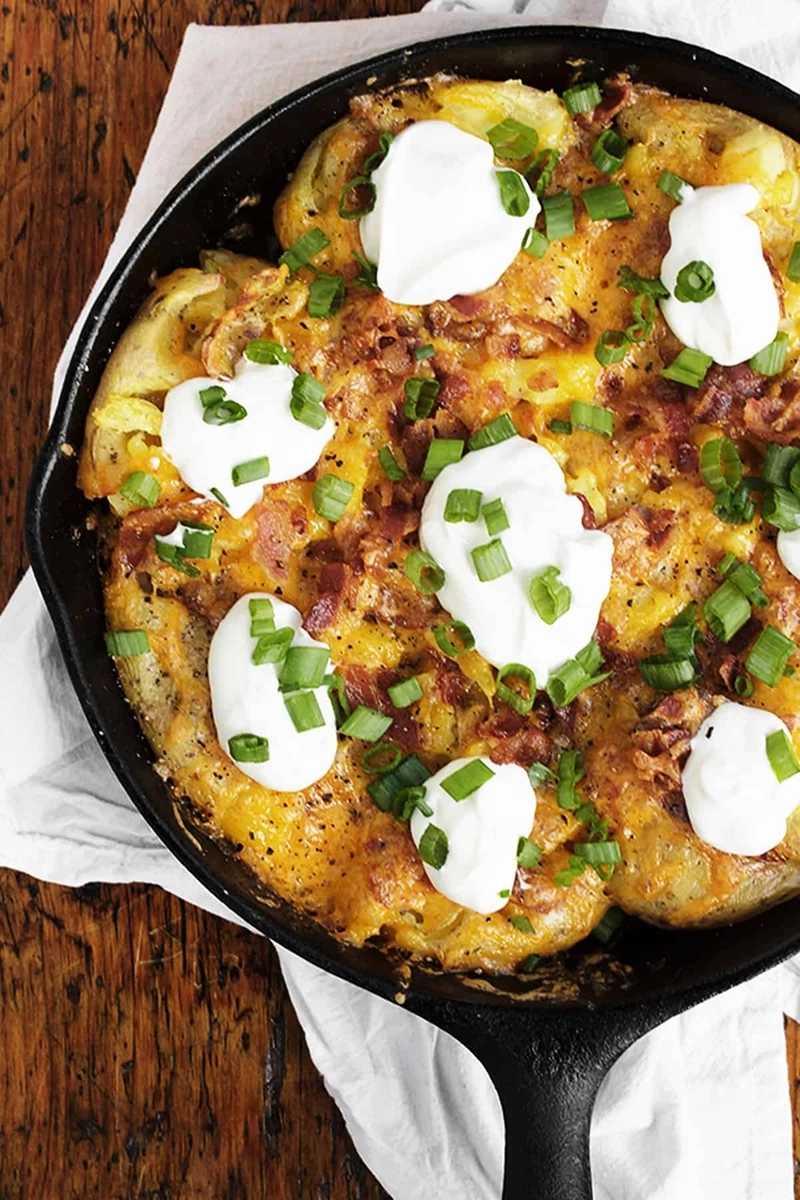


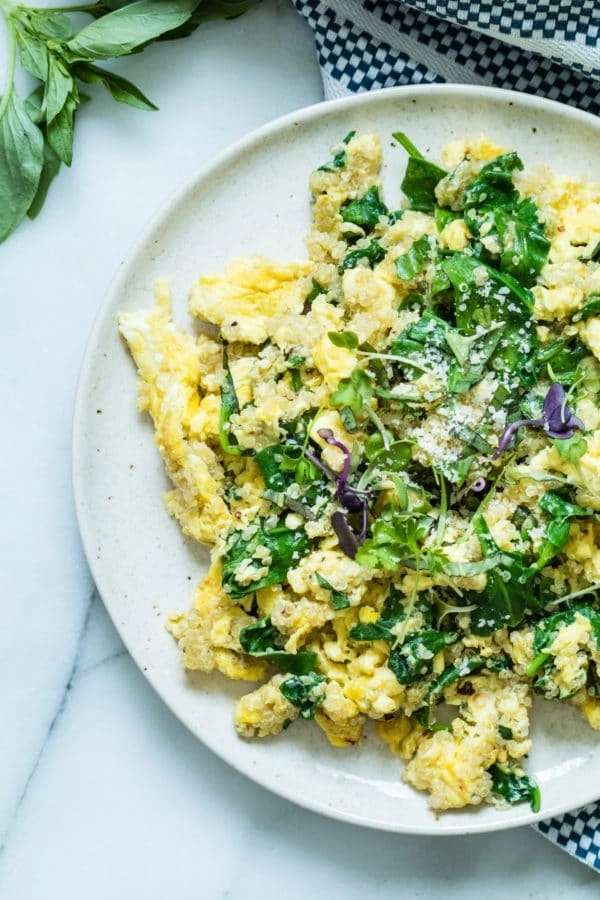
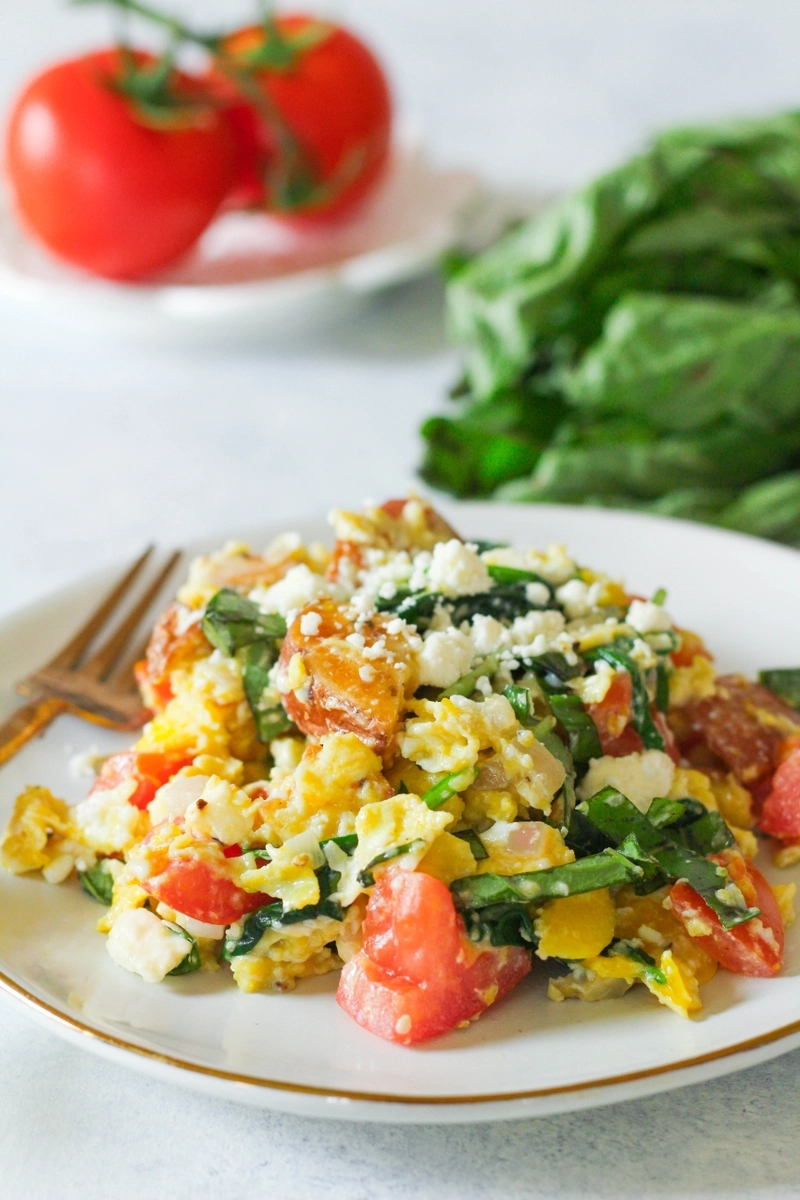
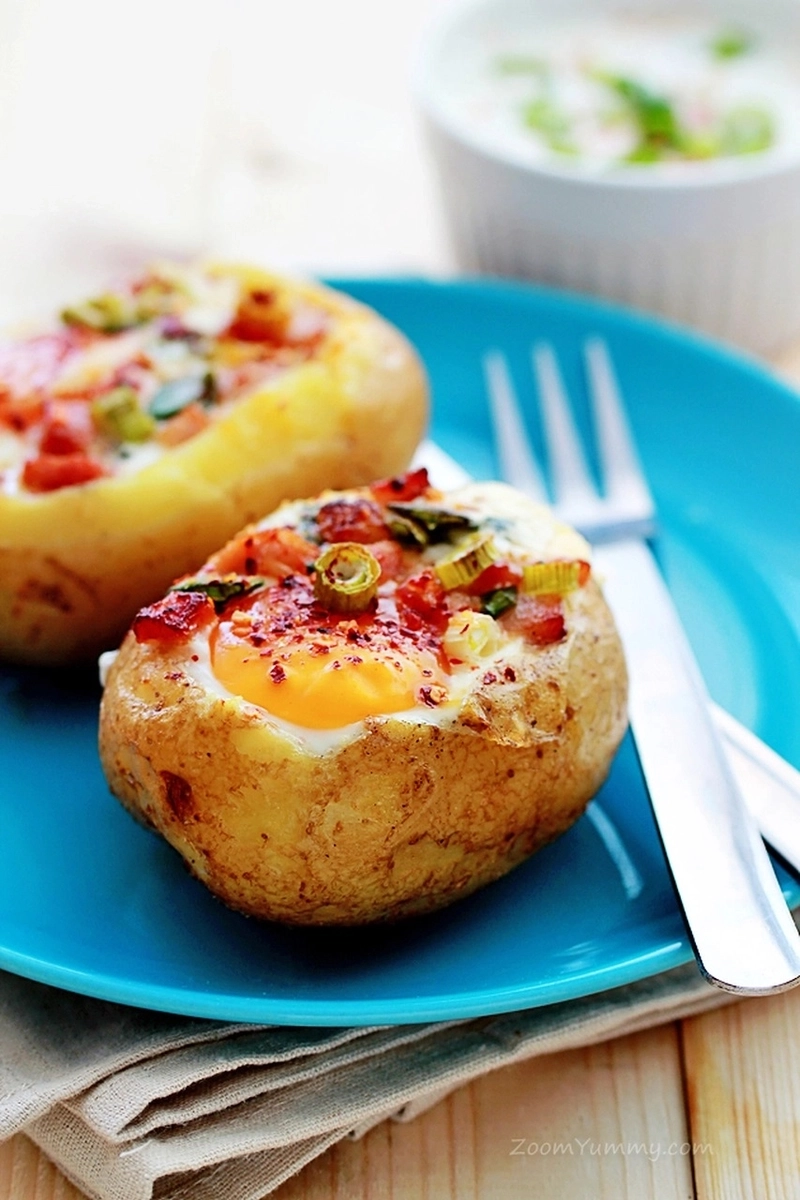
Eggs



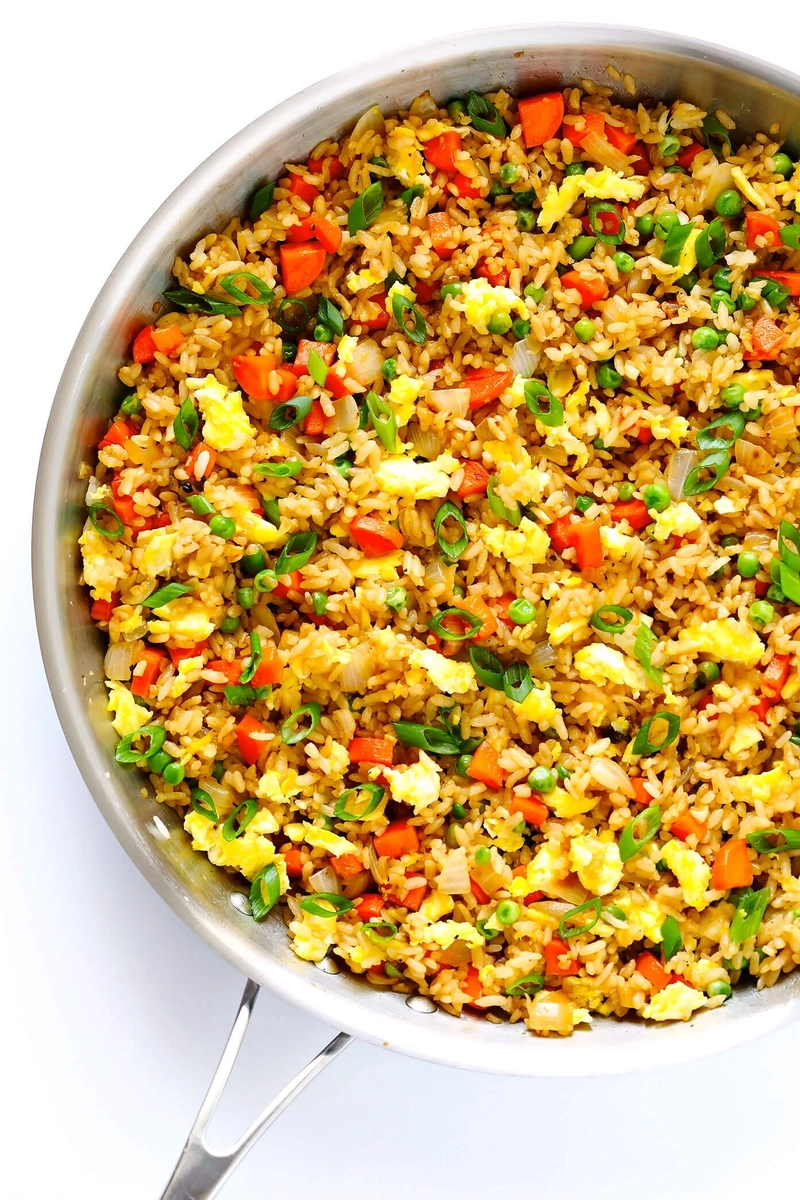
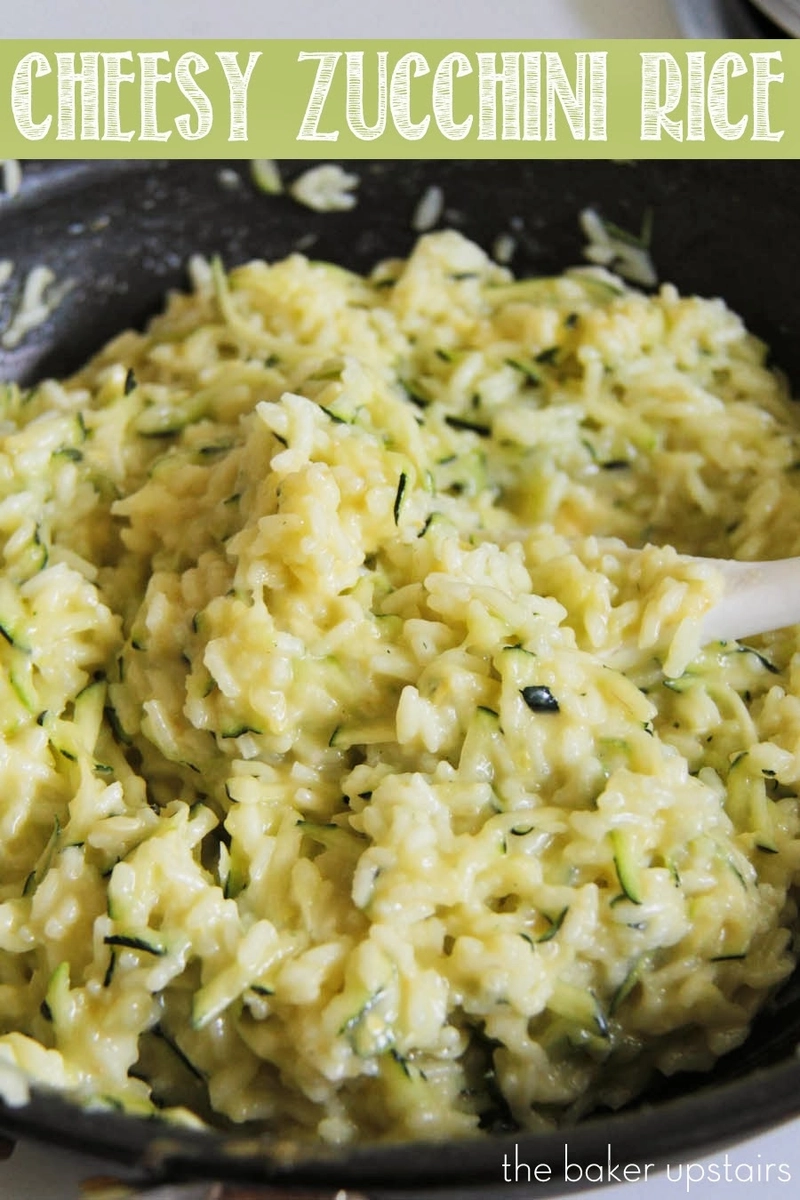
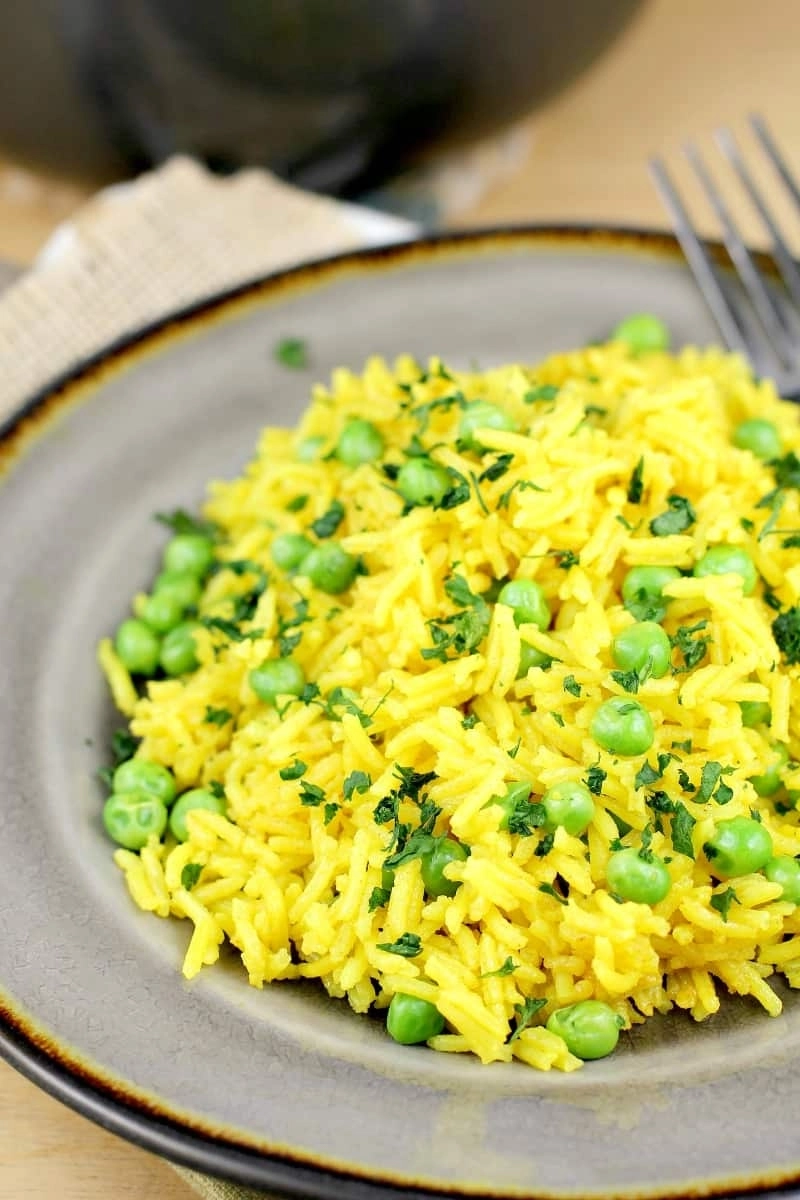
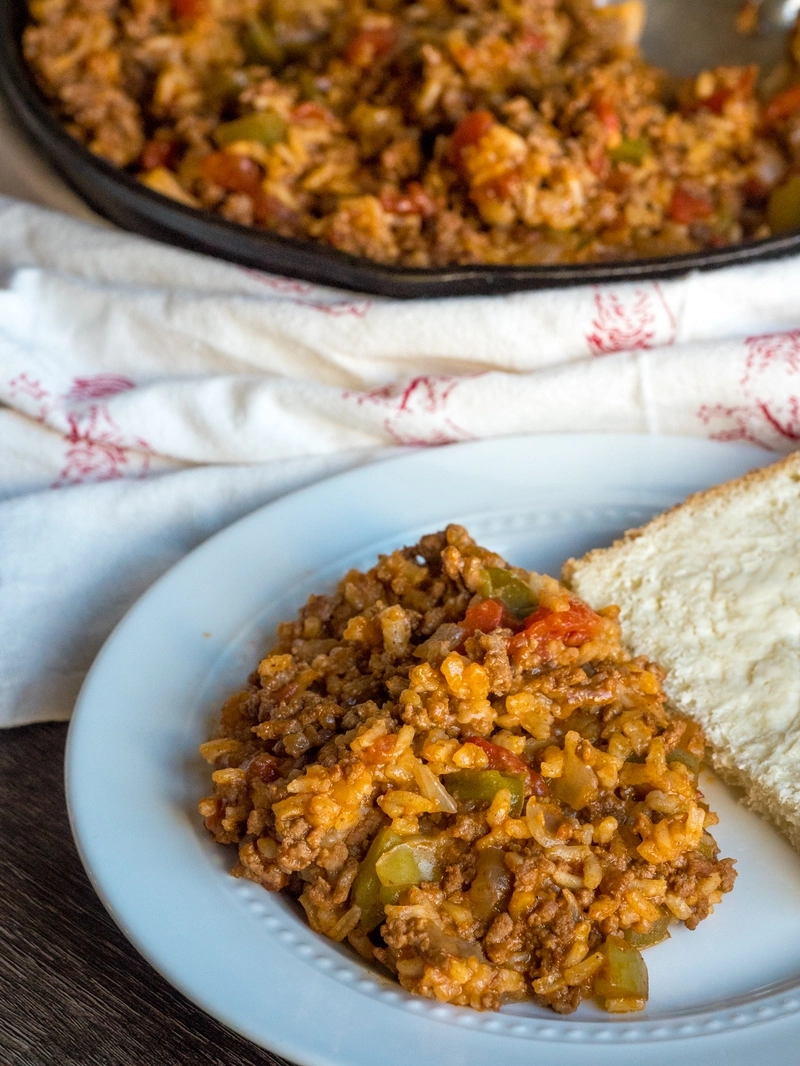
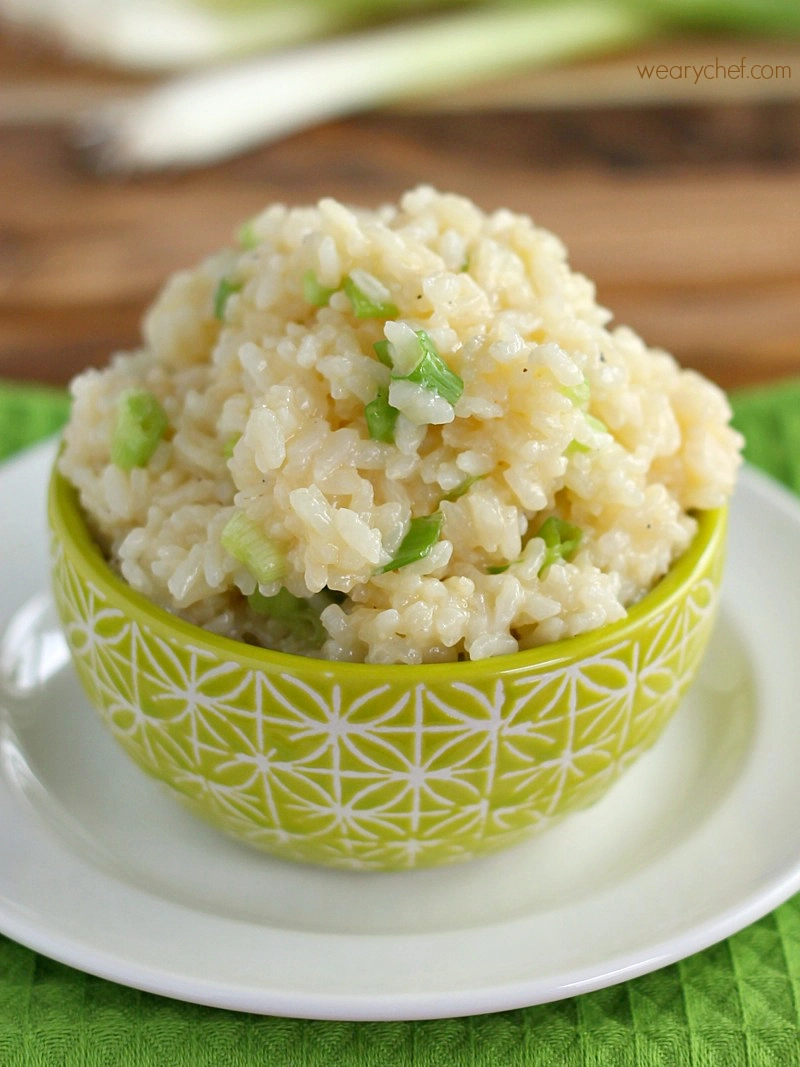
Rice

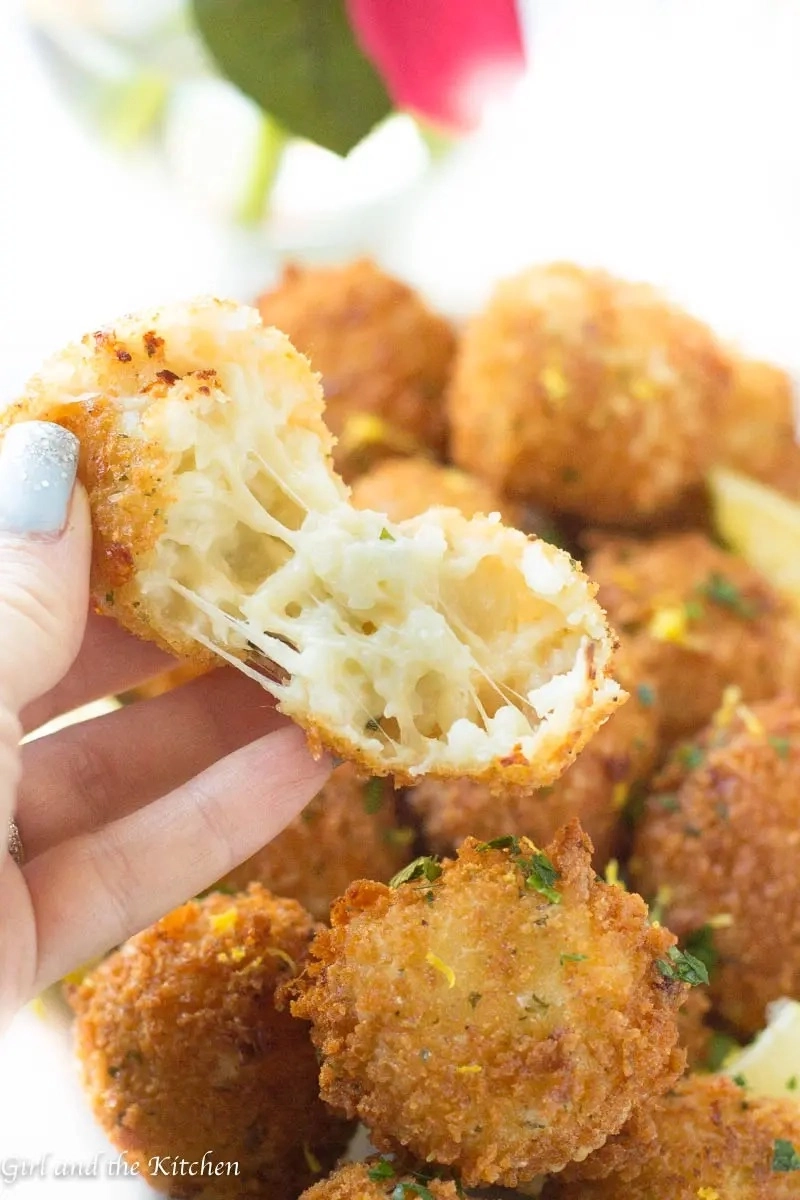






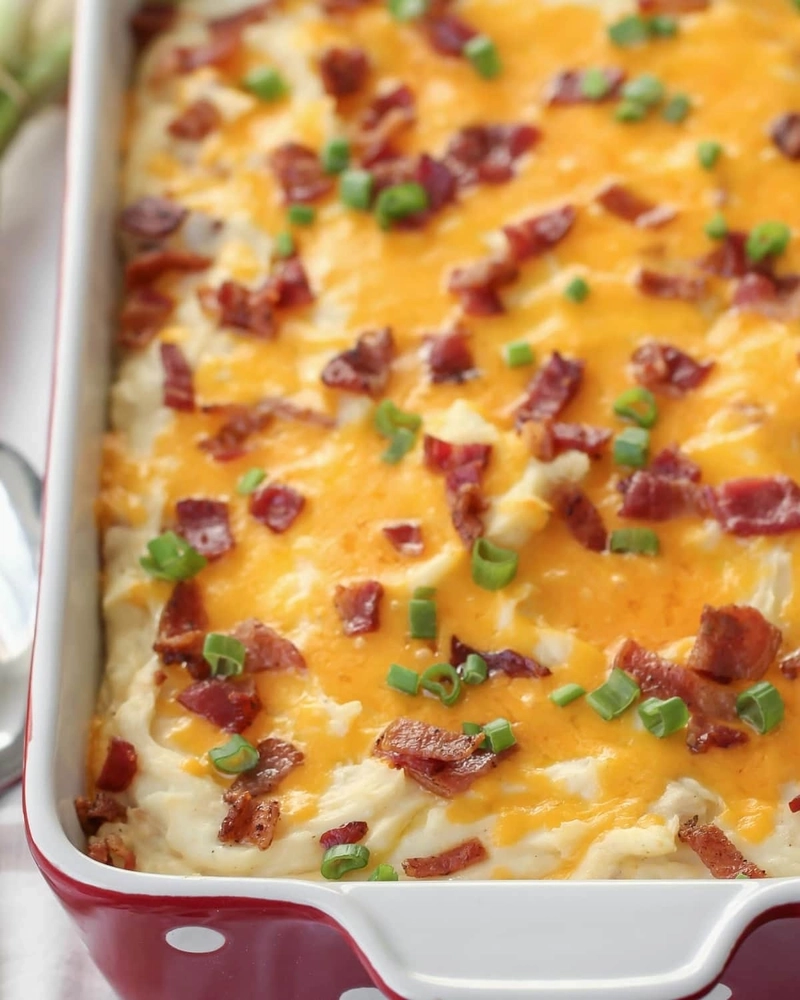
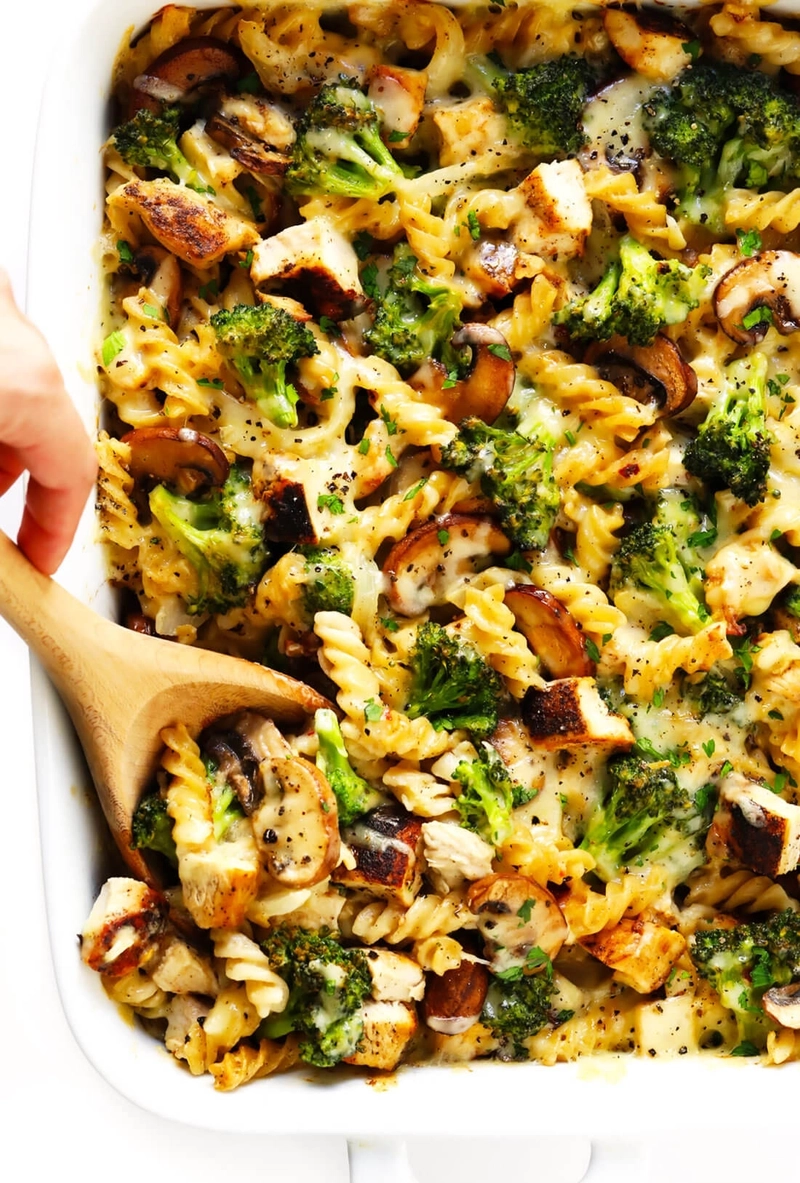
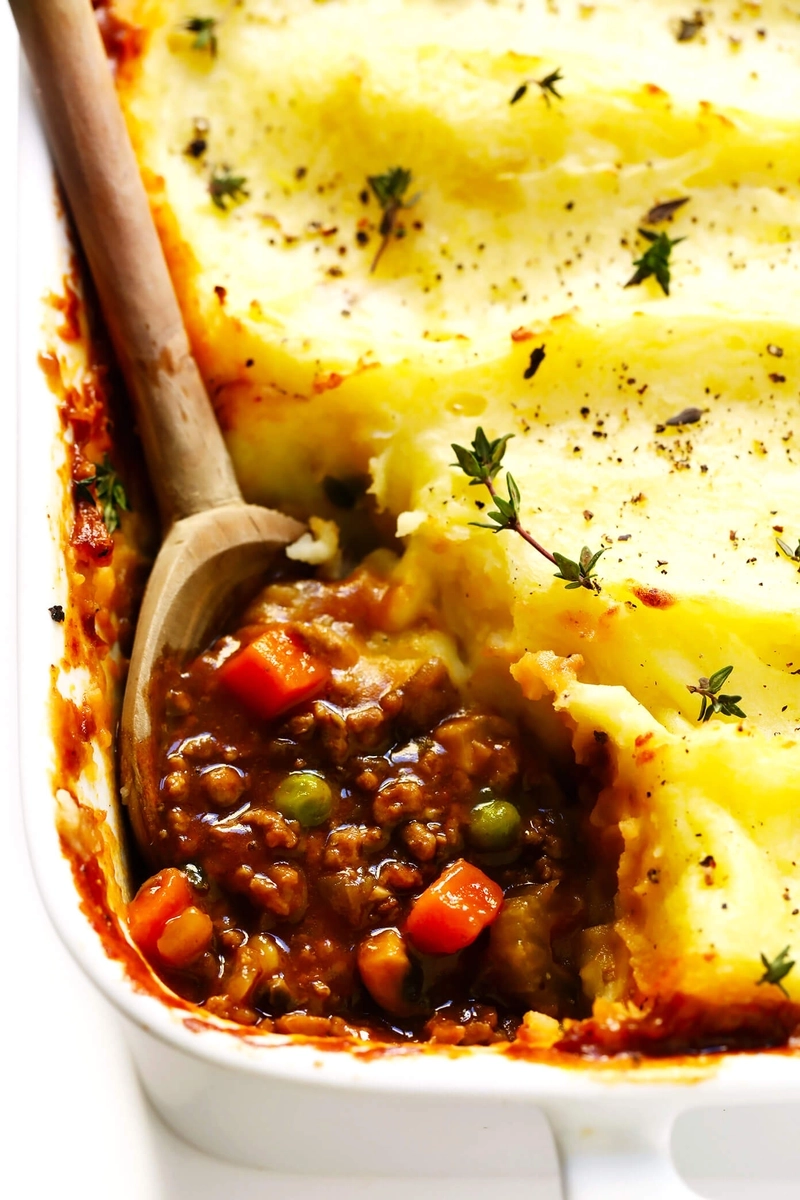
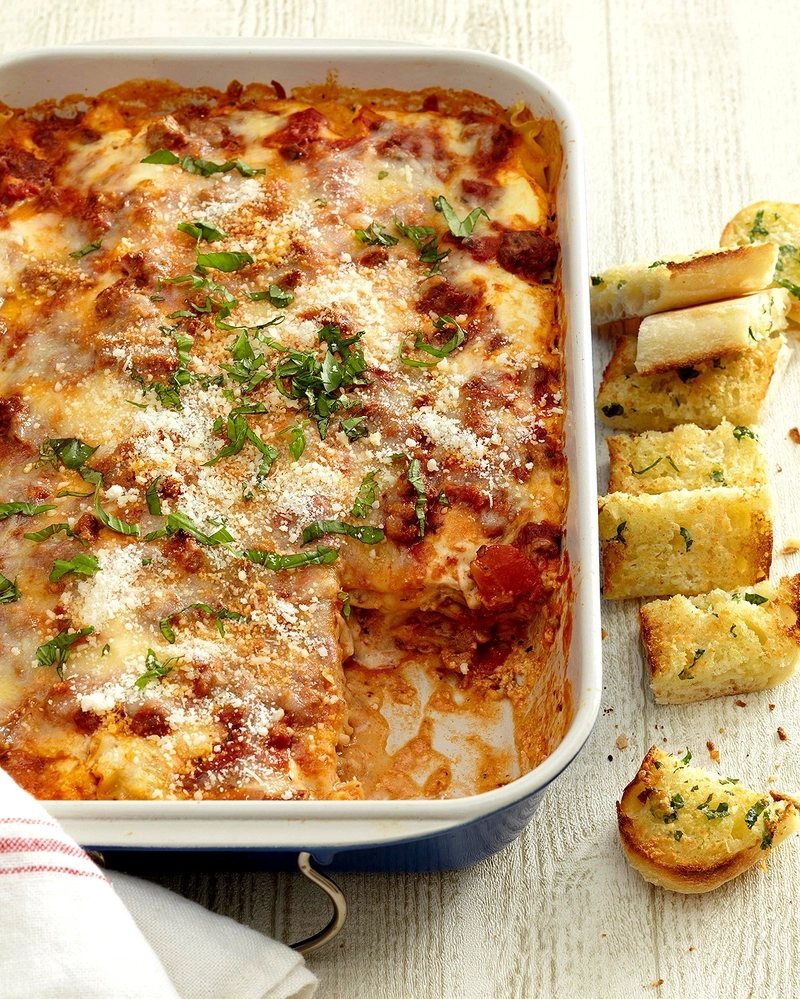
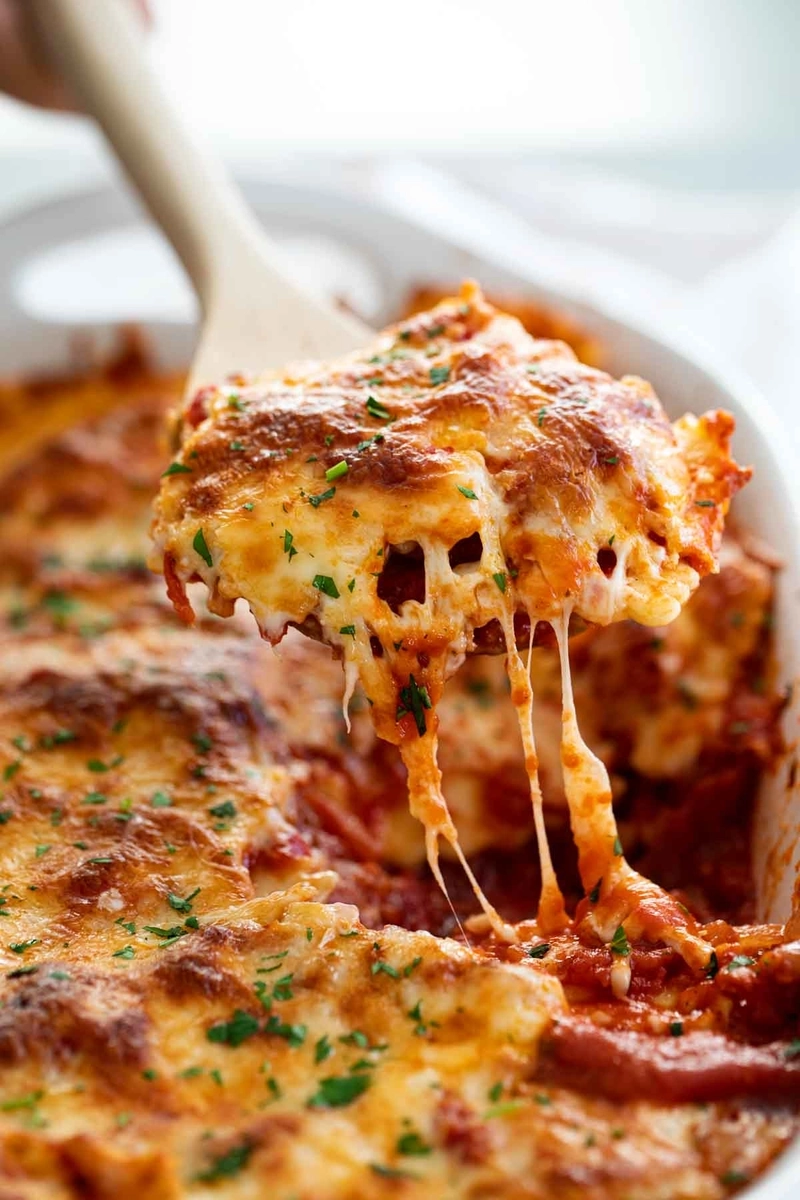
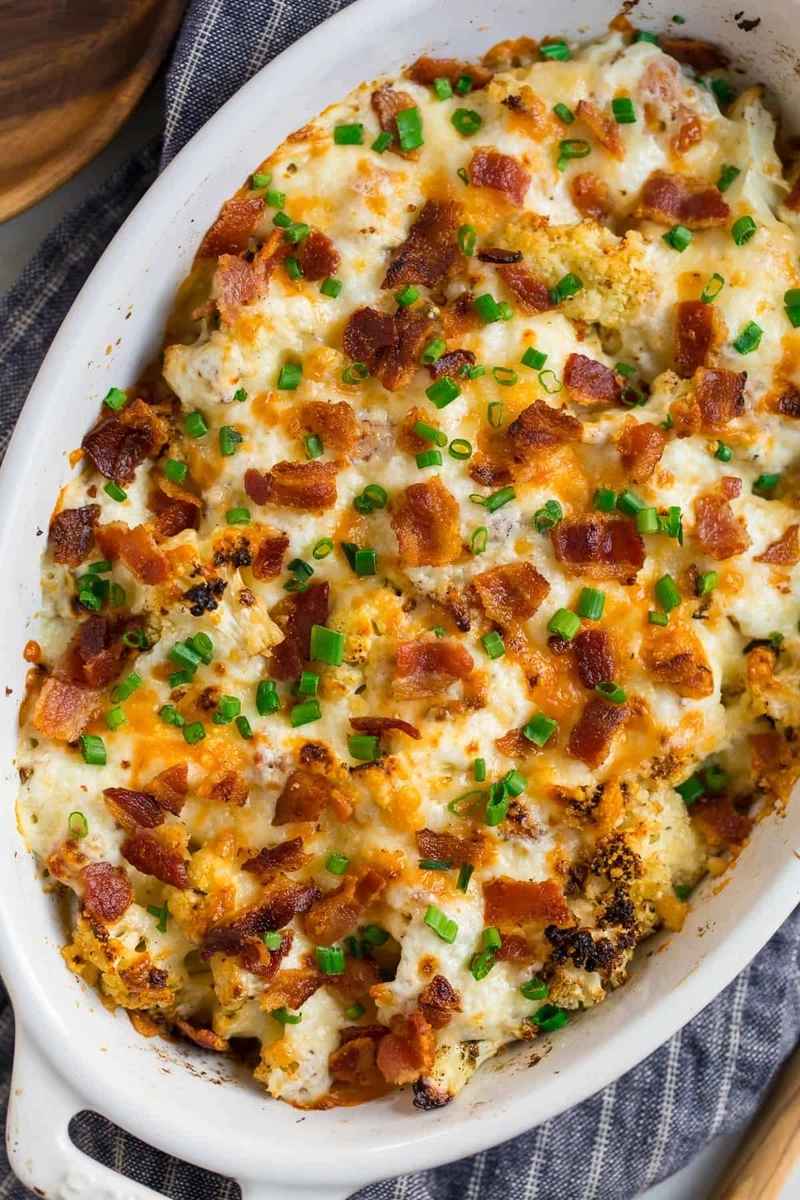
Baked casseroles, lasagnas and more







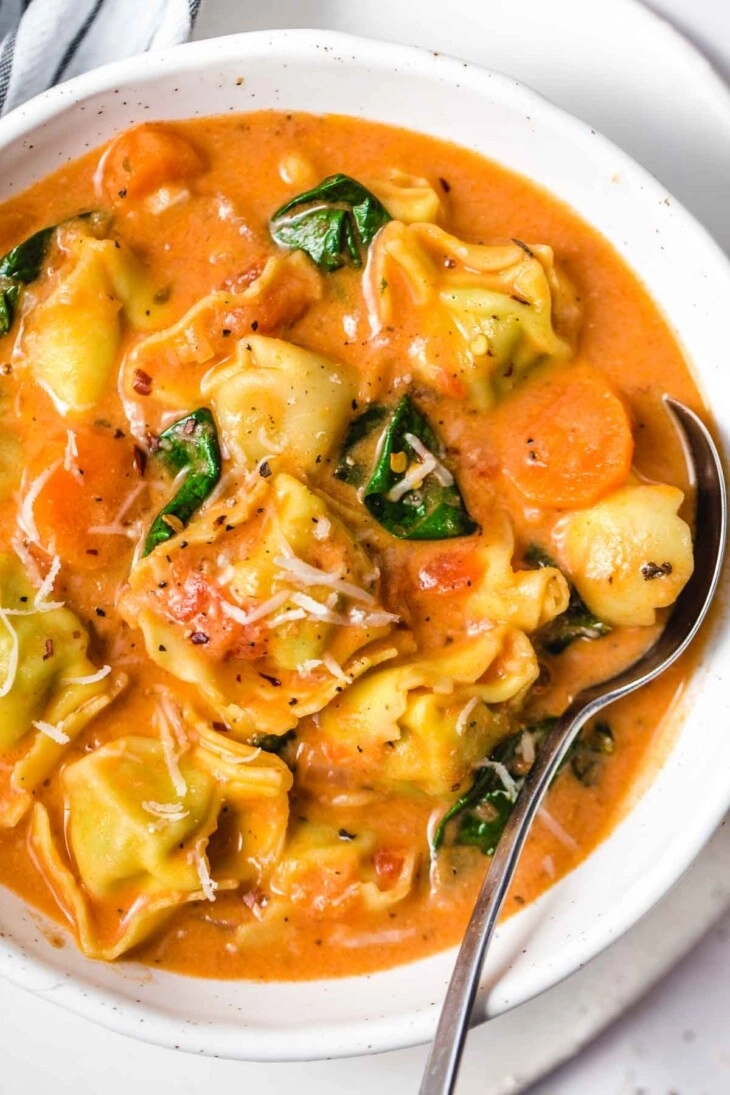
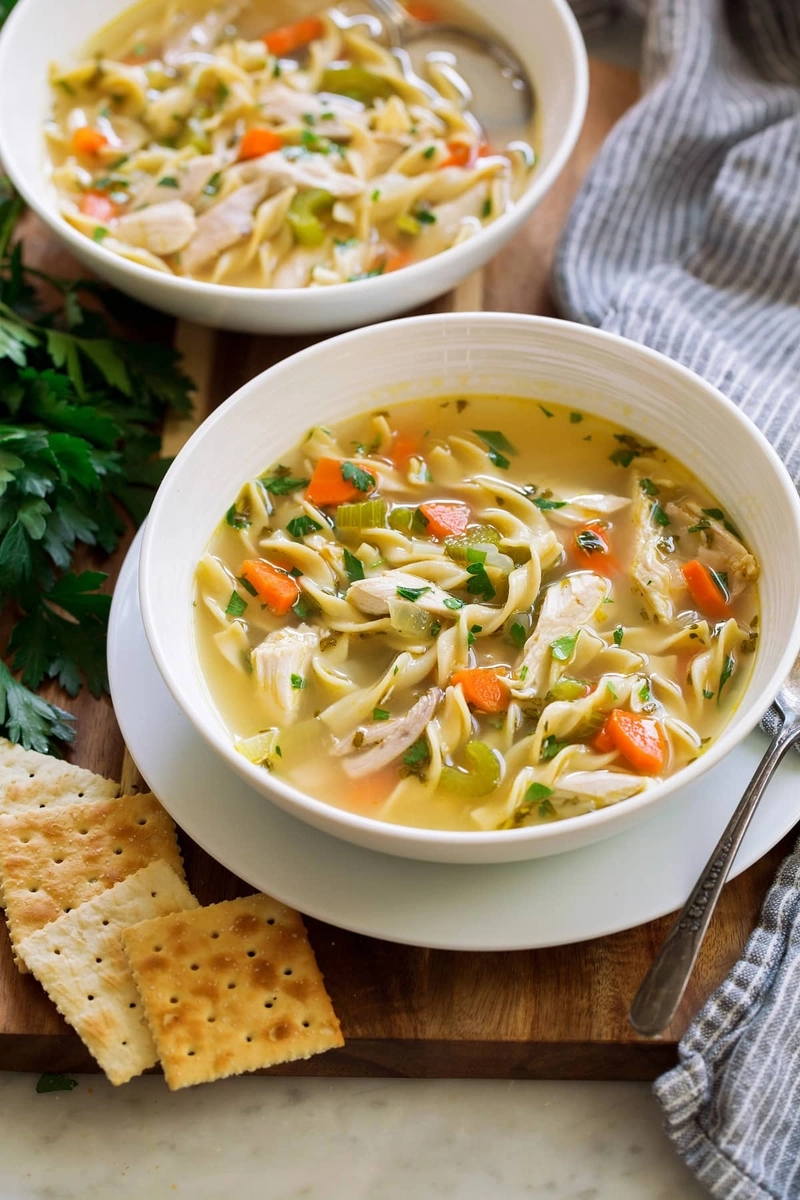
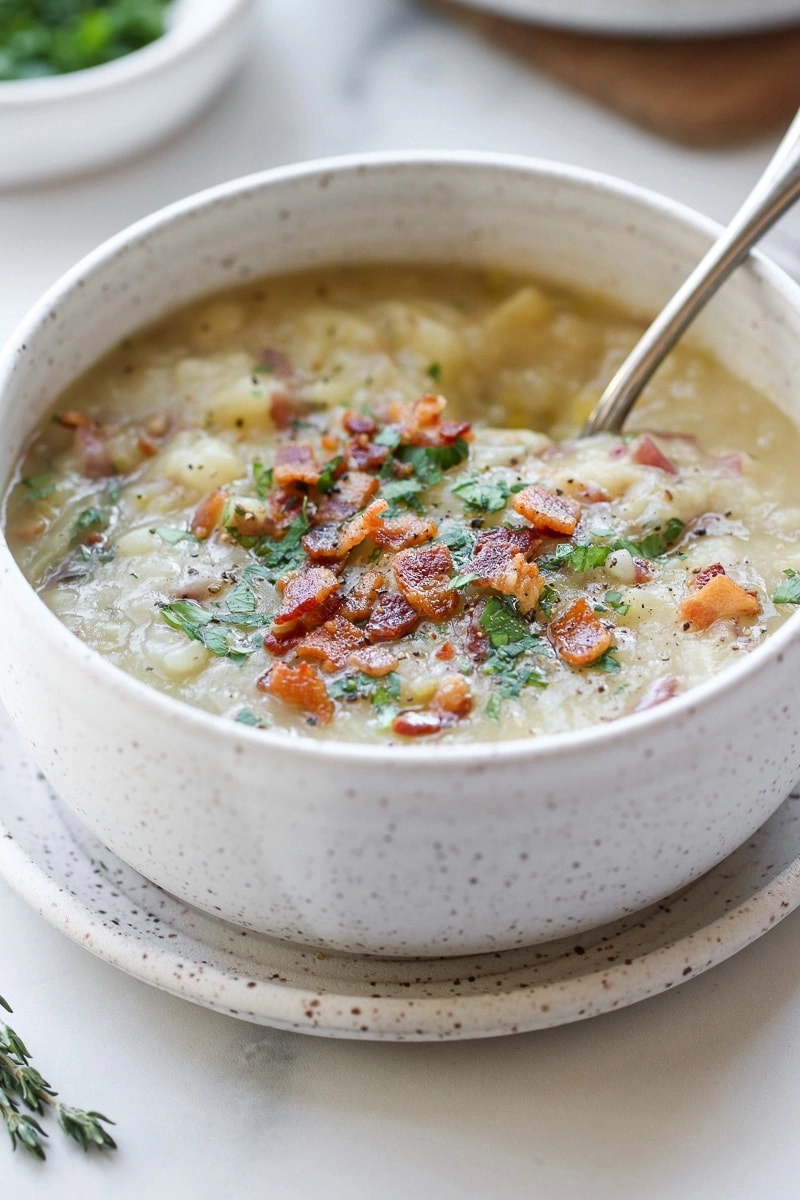
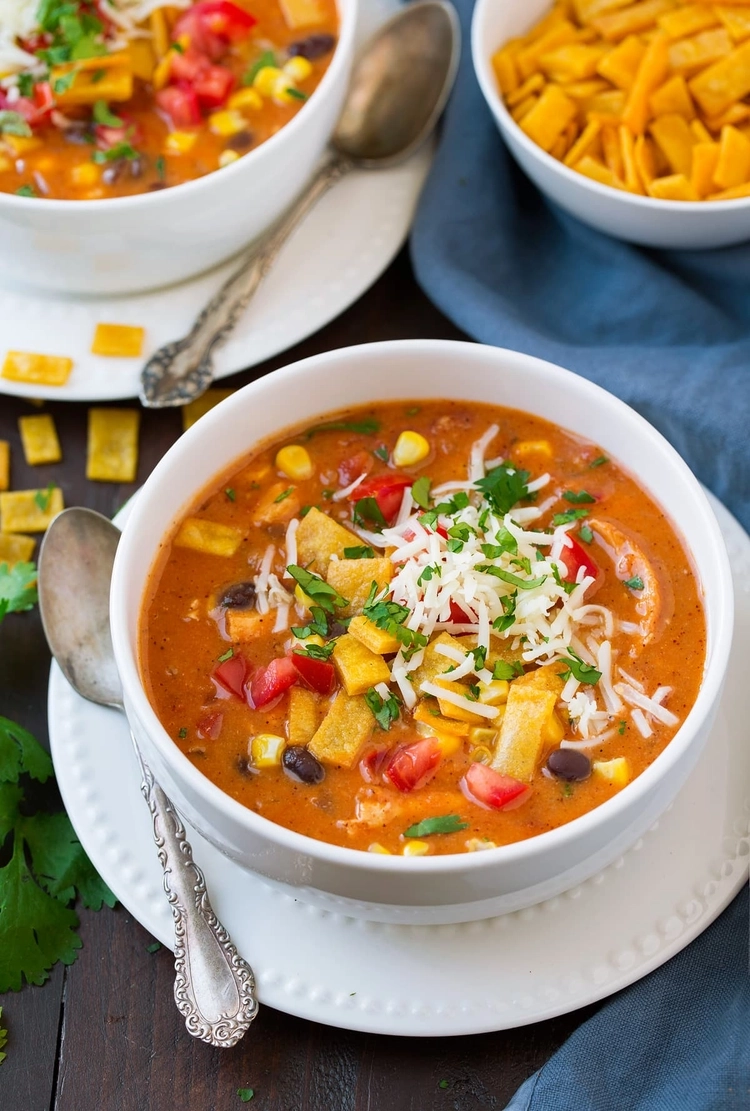
Soups

















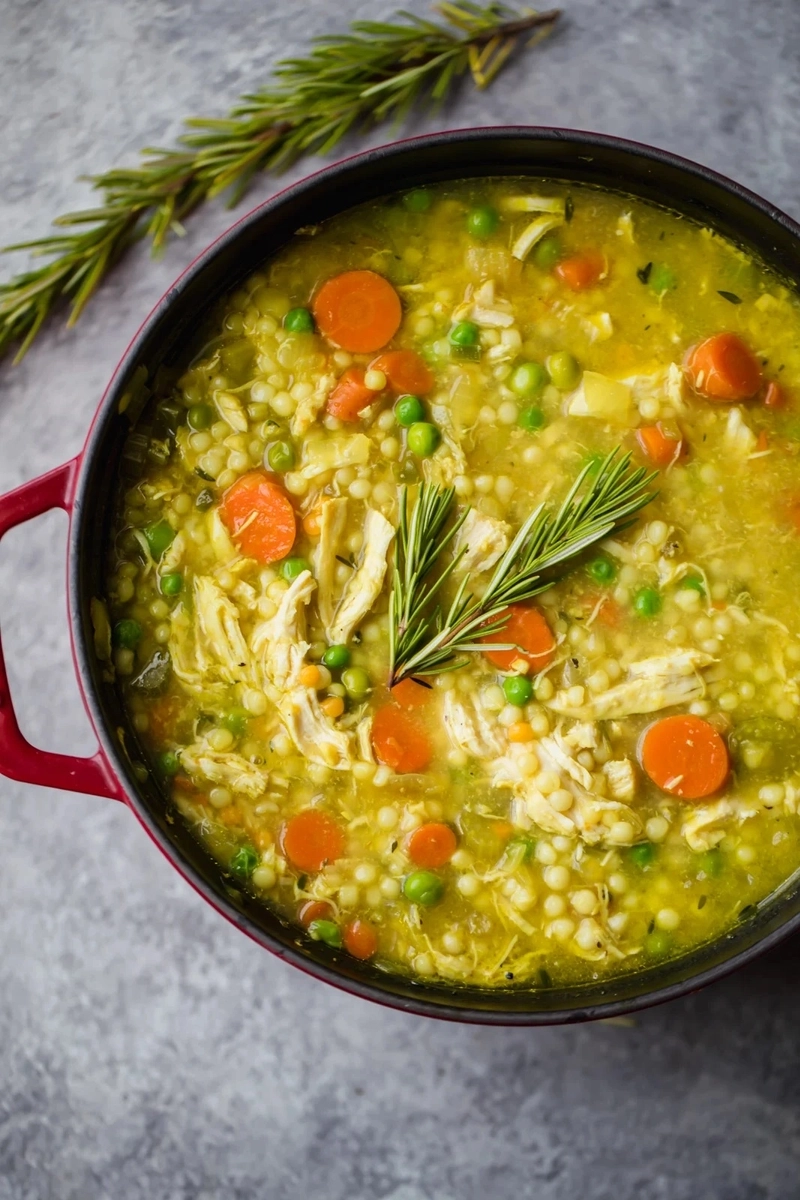
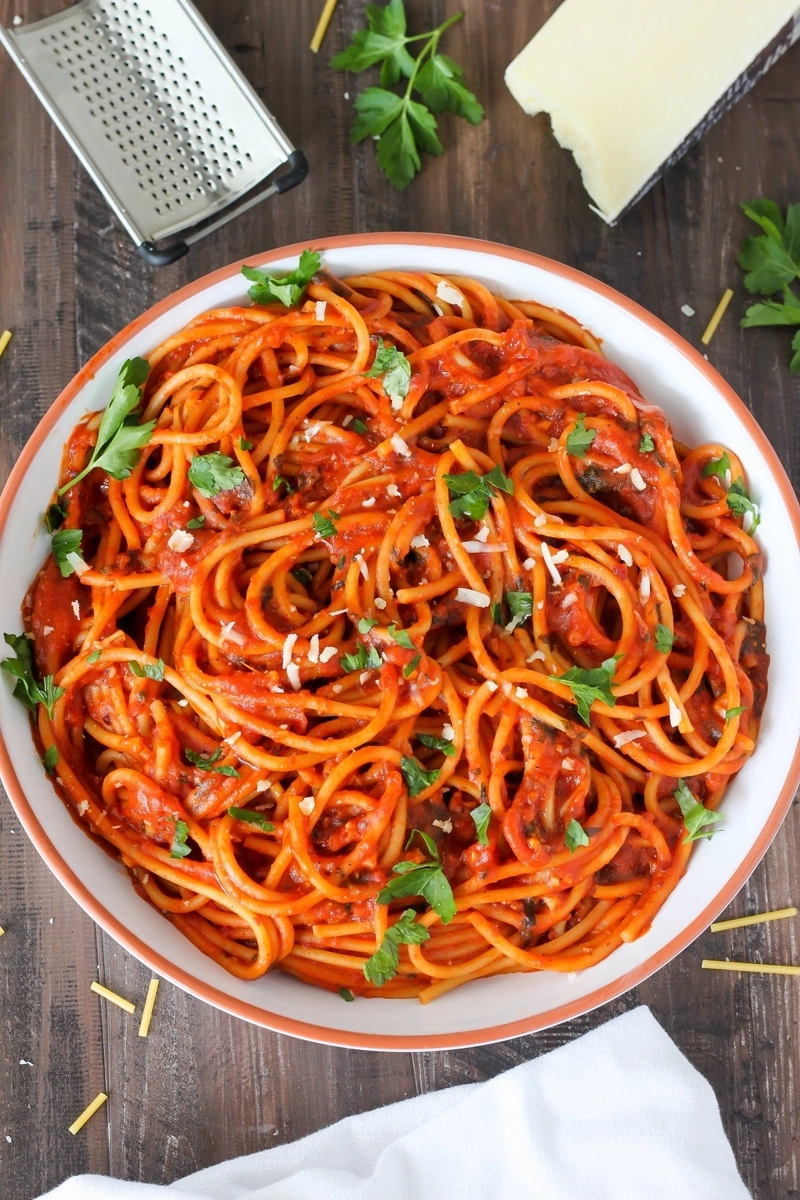
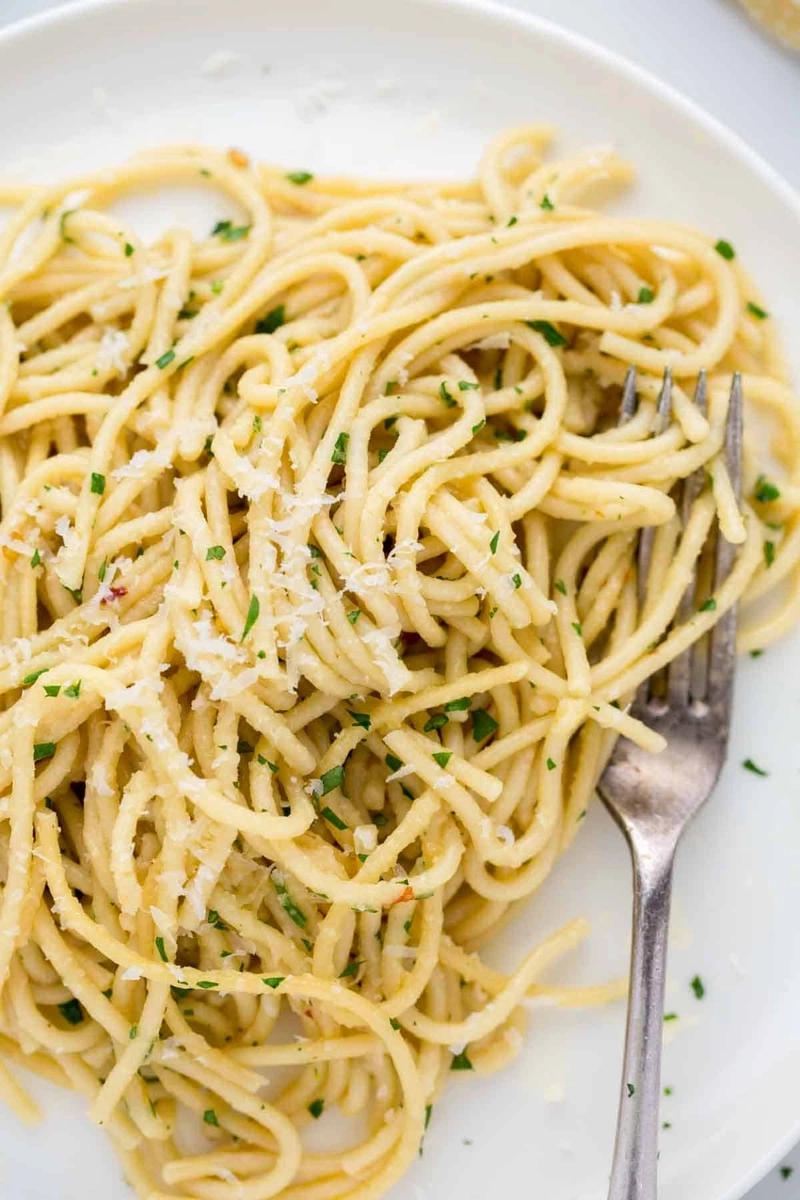
Pasta


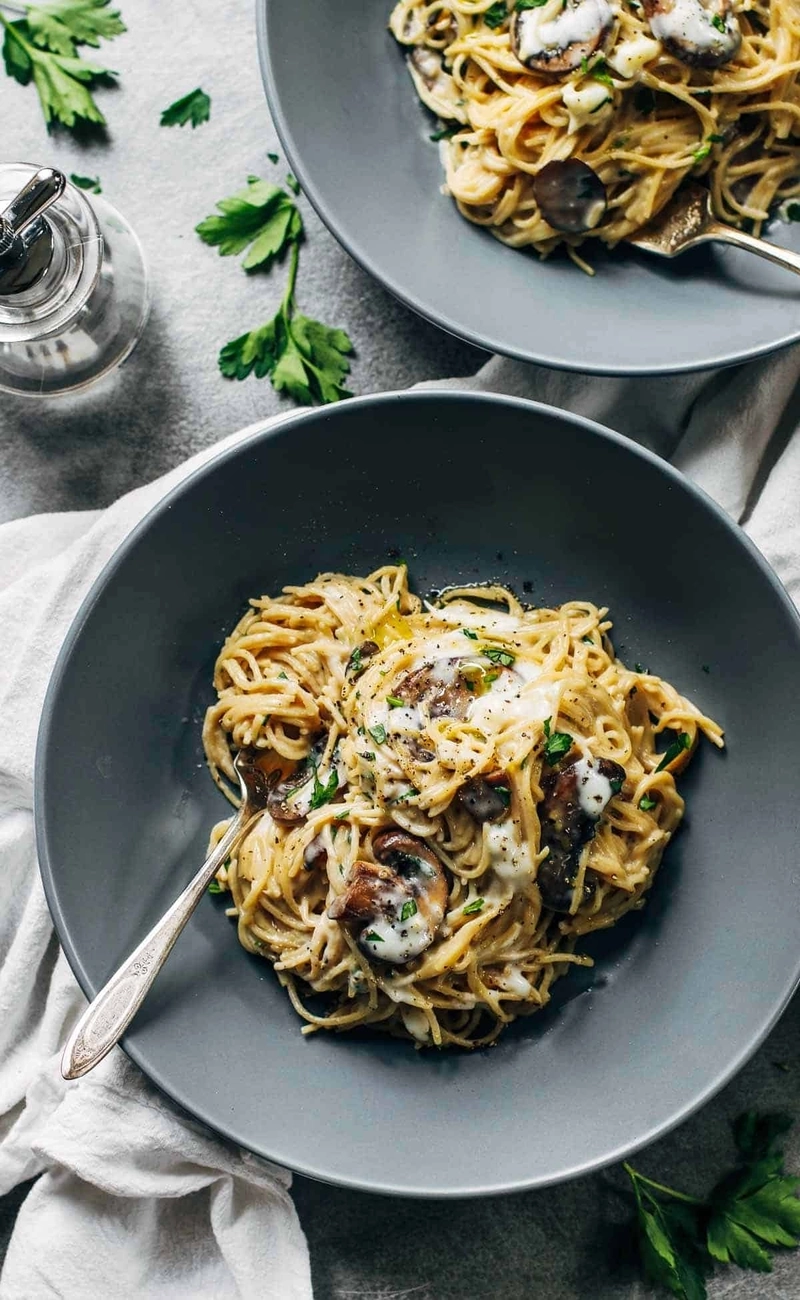

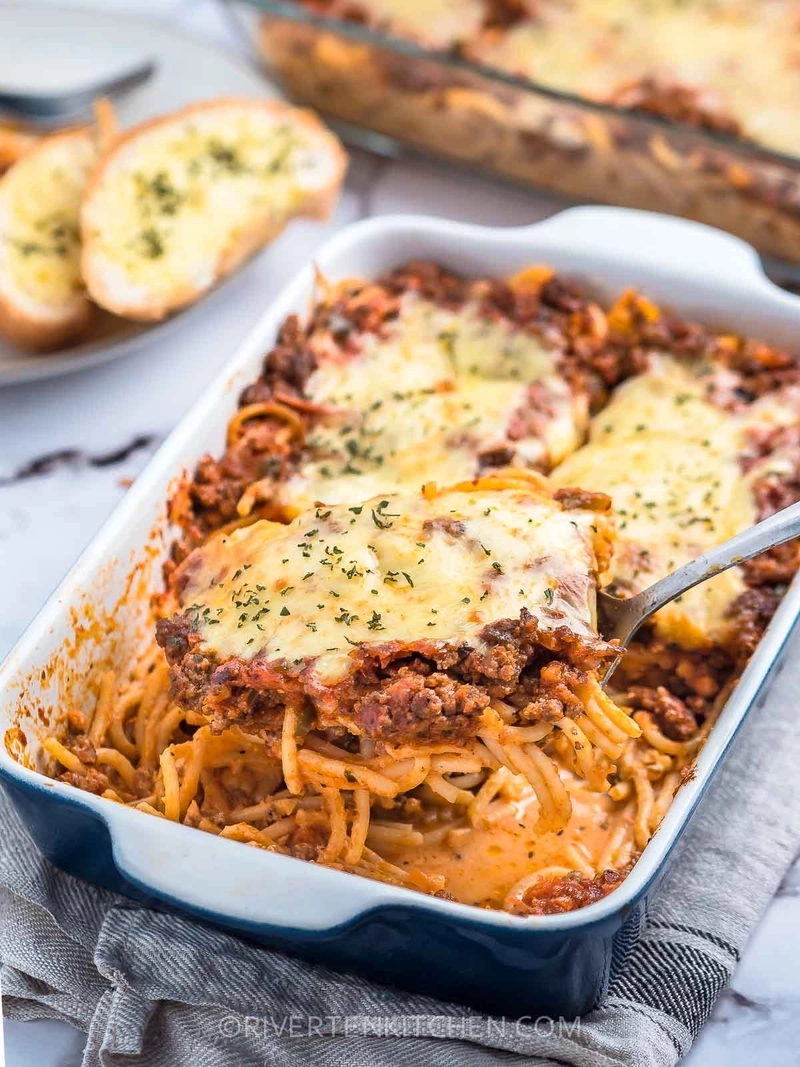
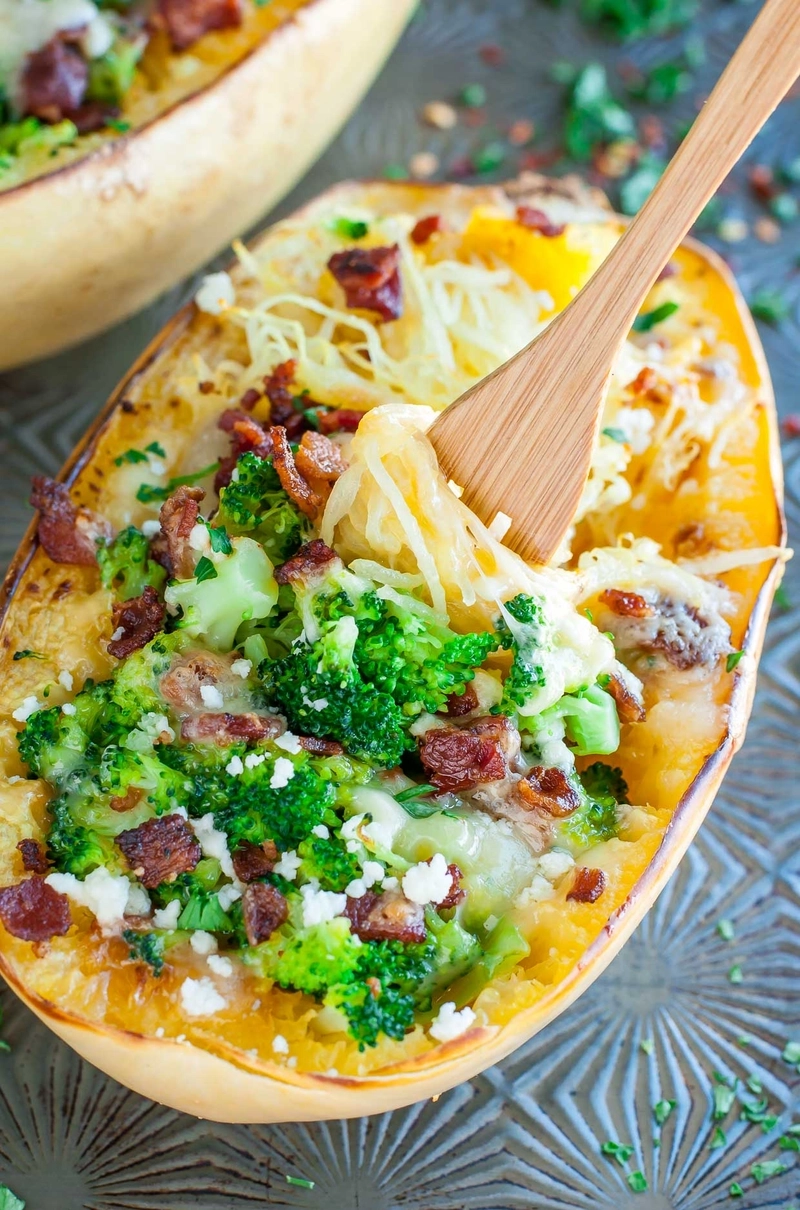
Cheesy bacon broccoli spaghetti squash




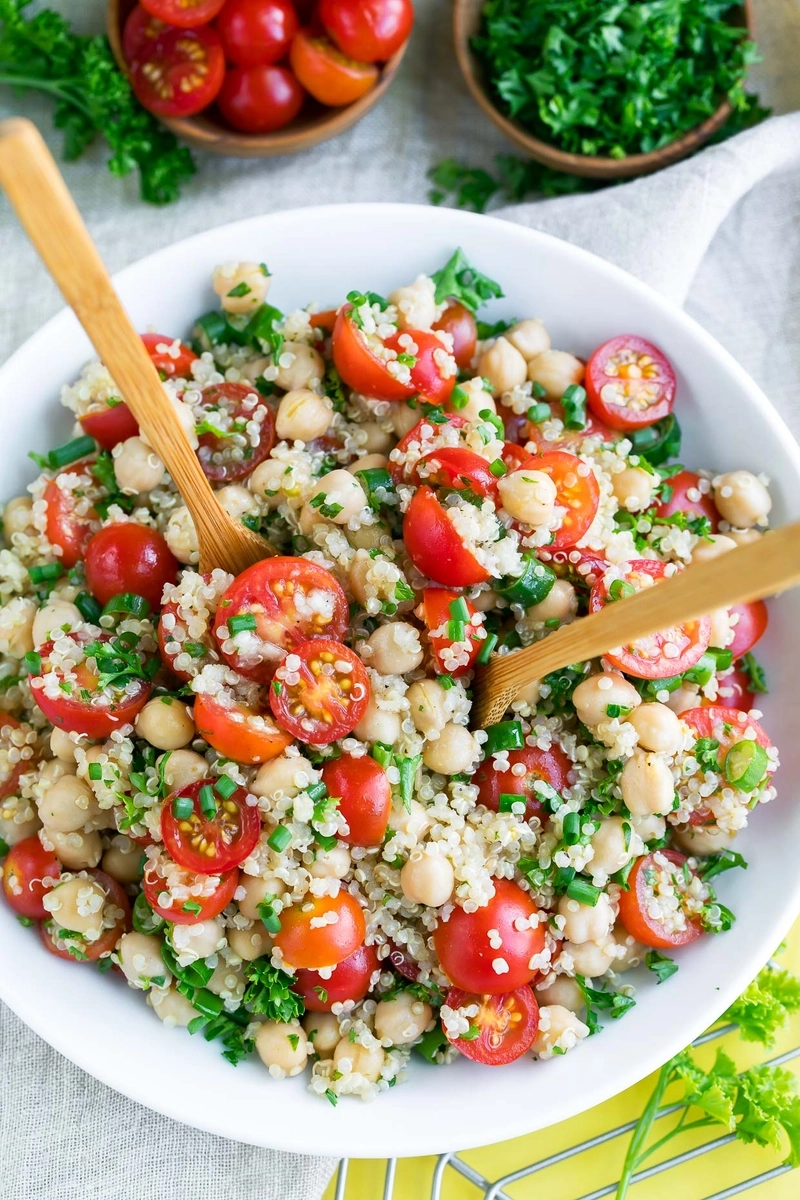
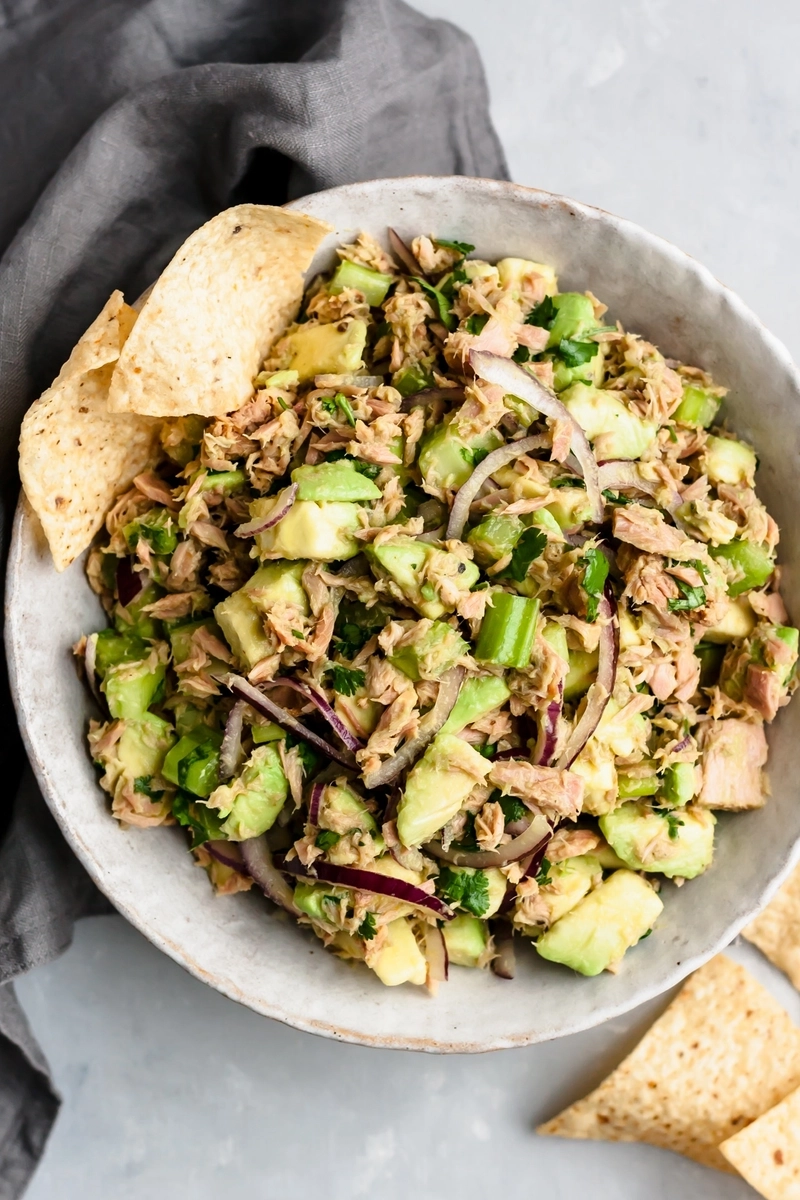
Salads



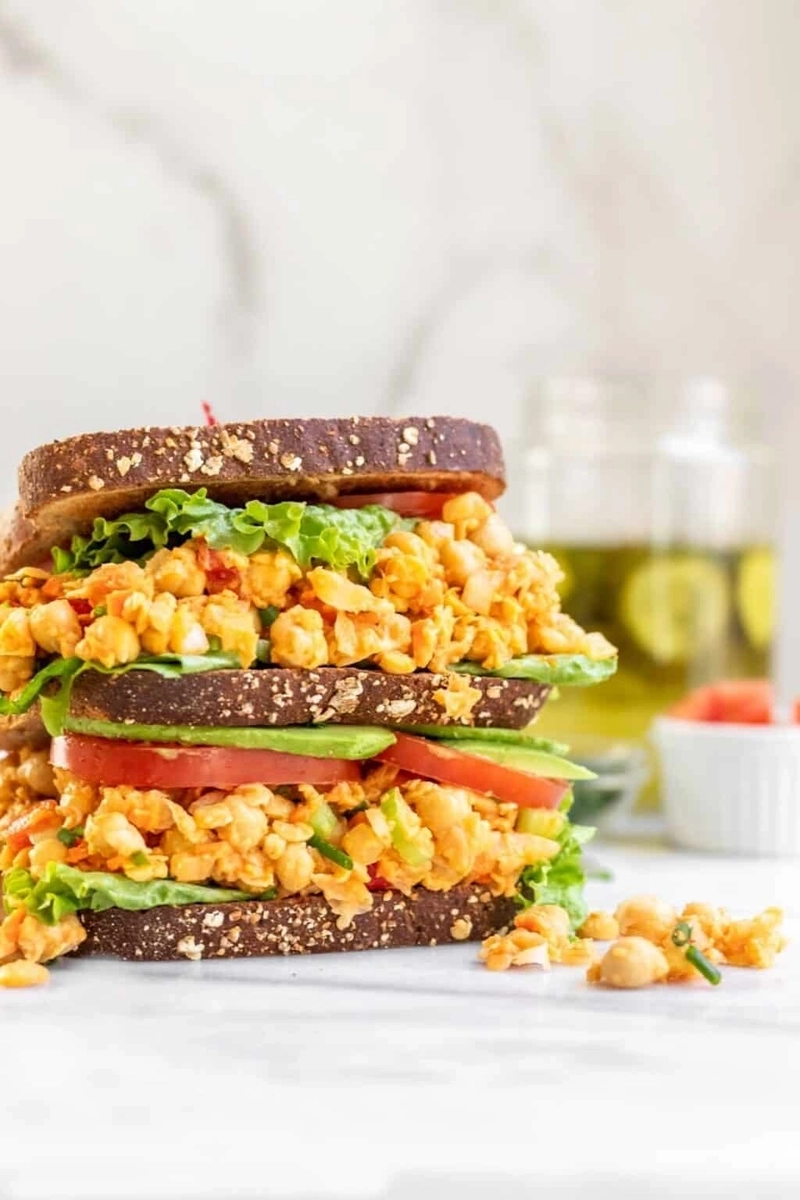


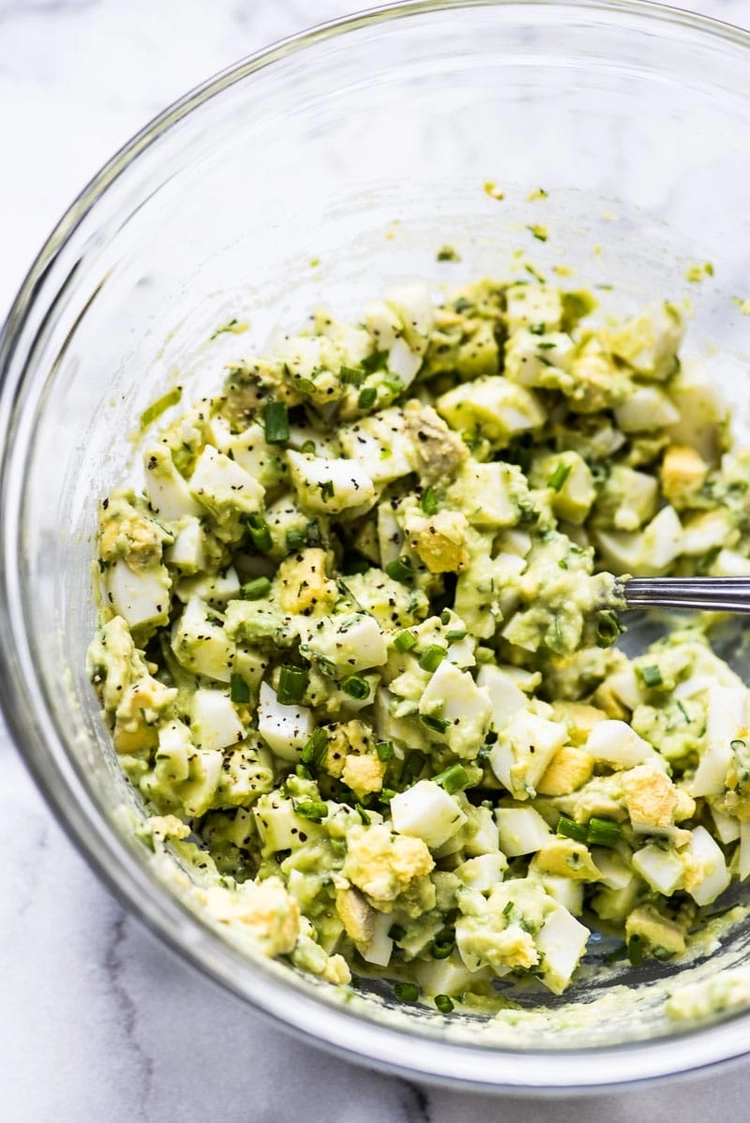


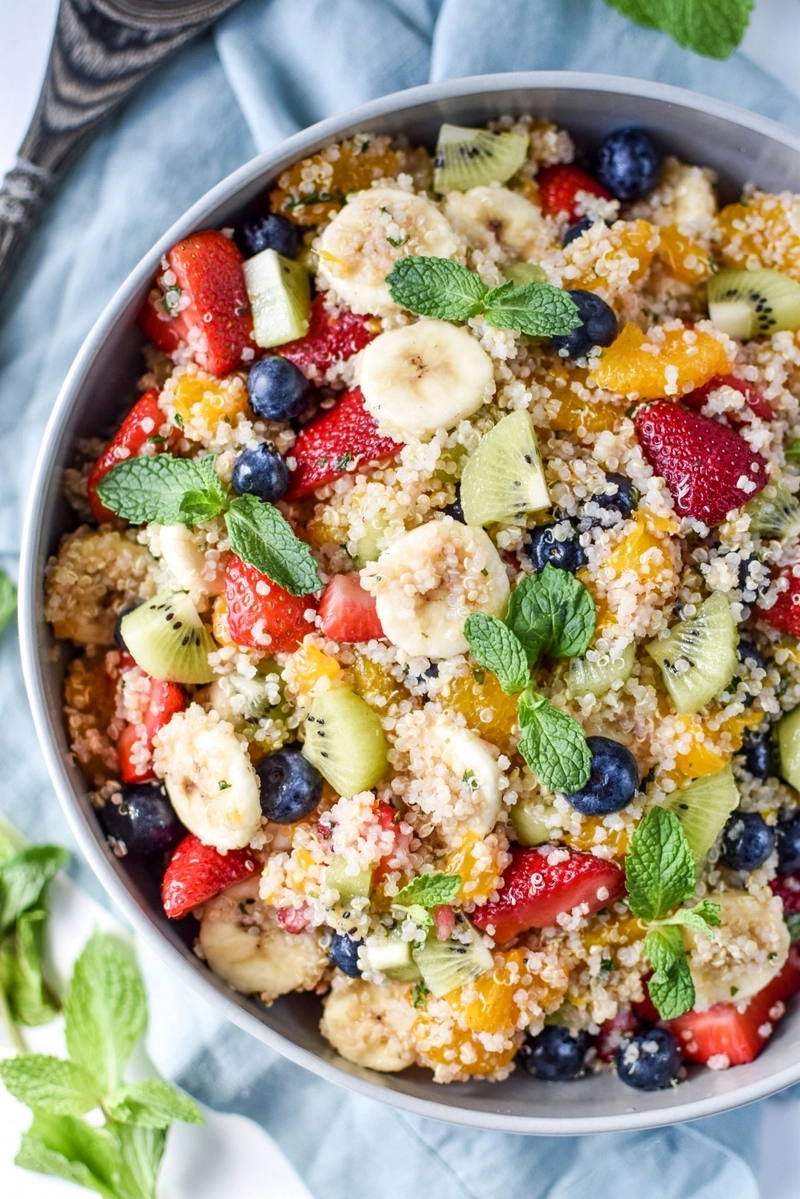
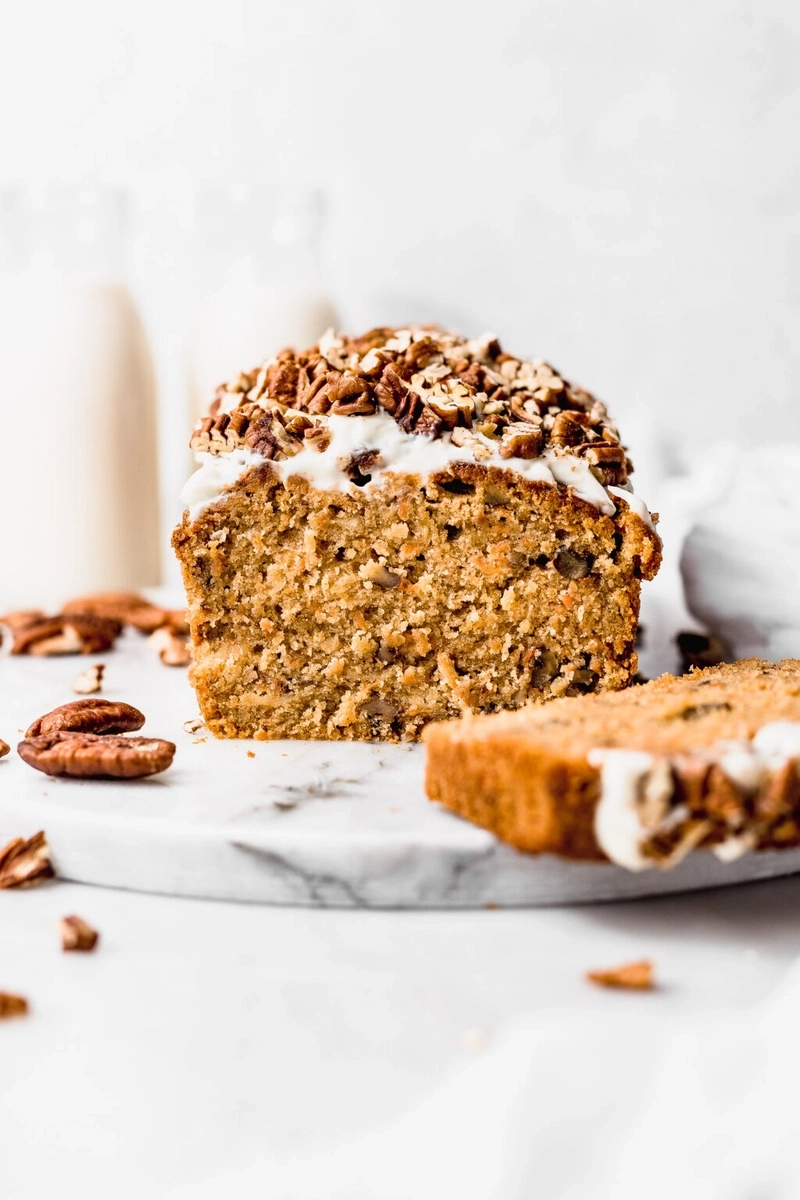
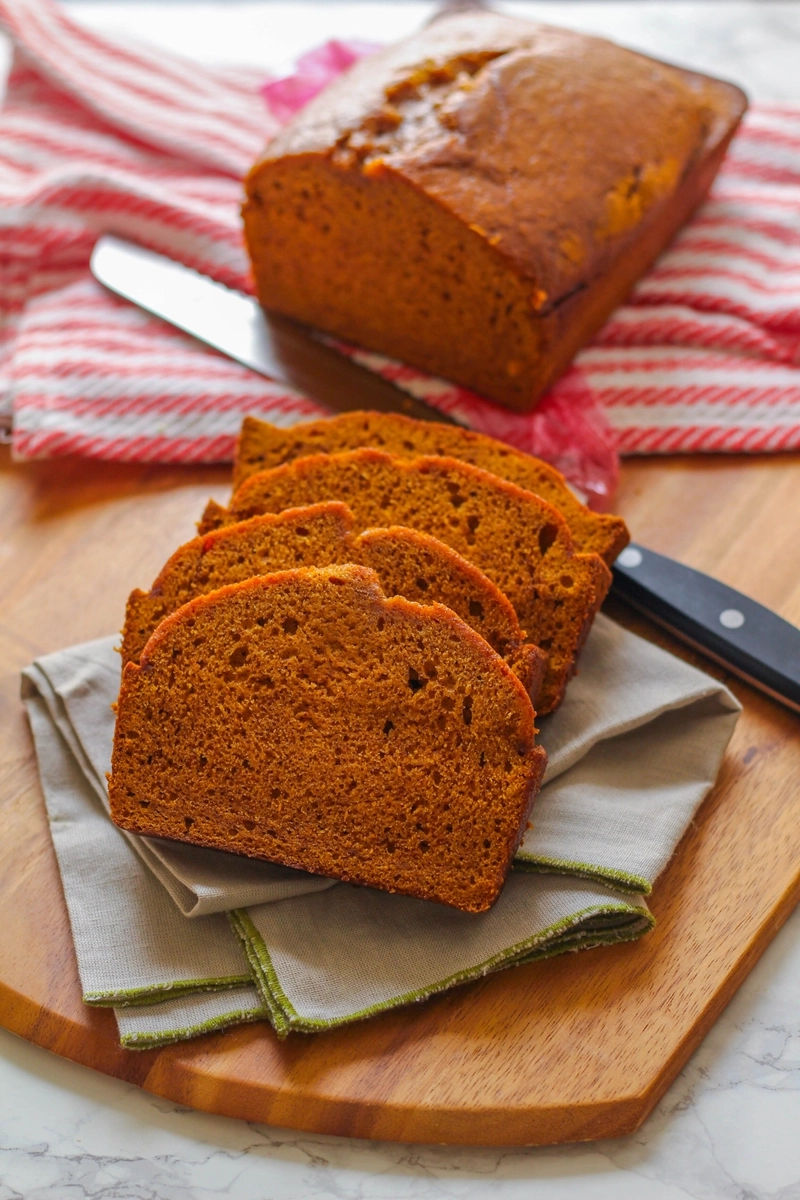
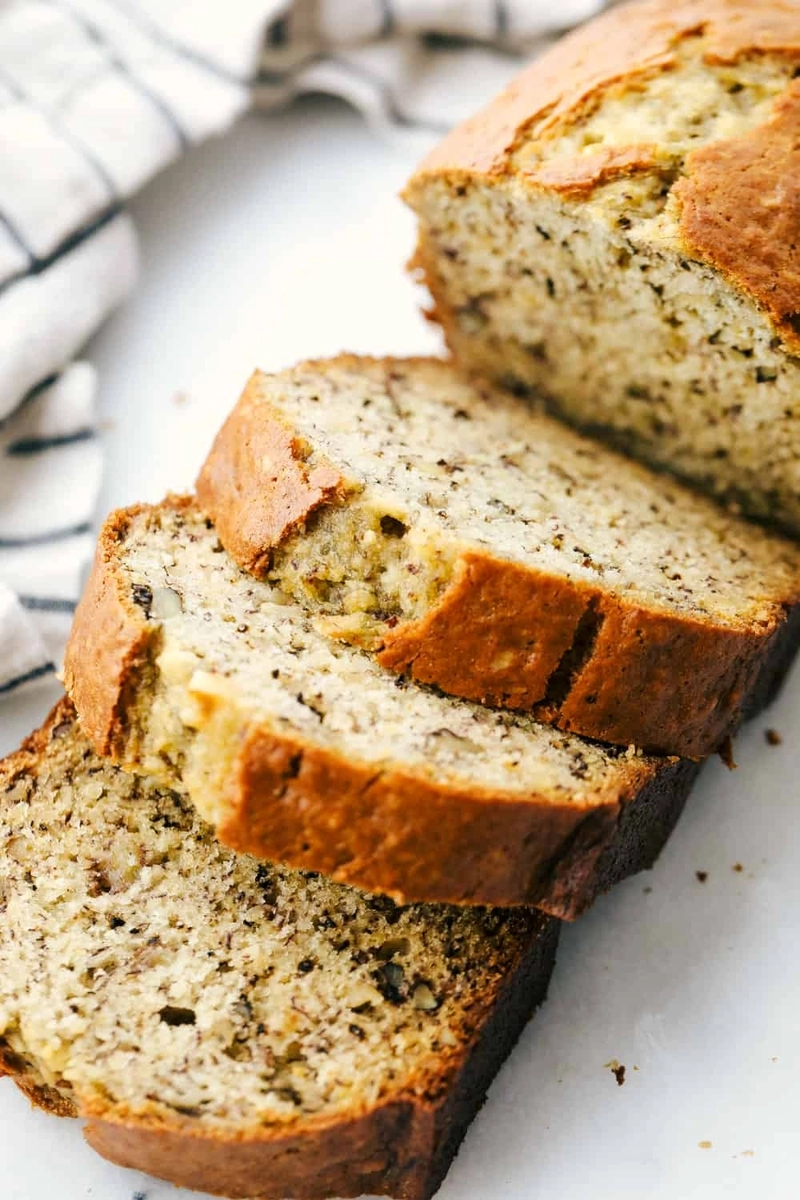
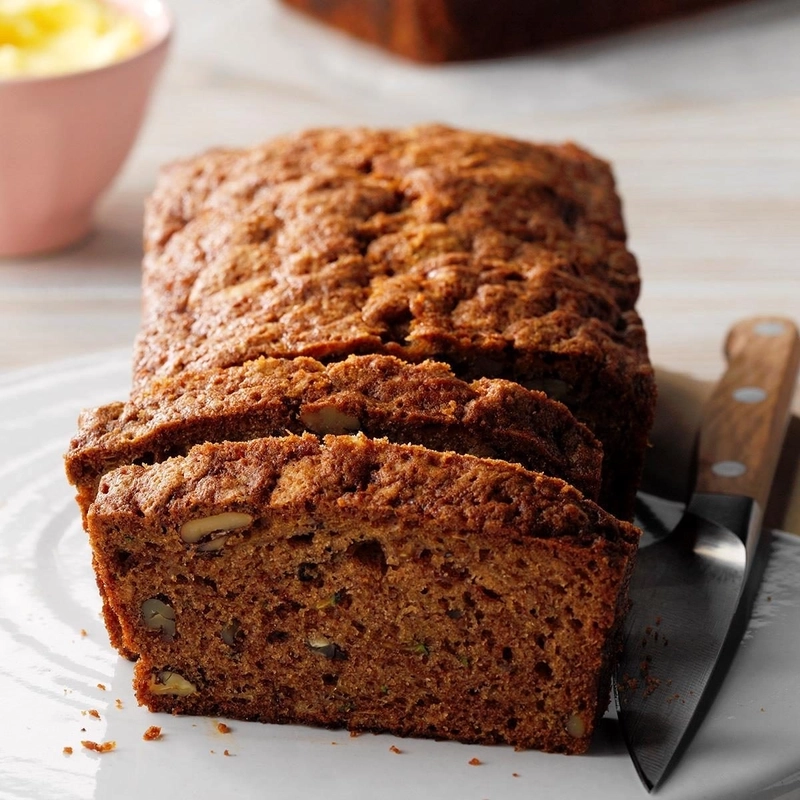
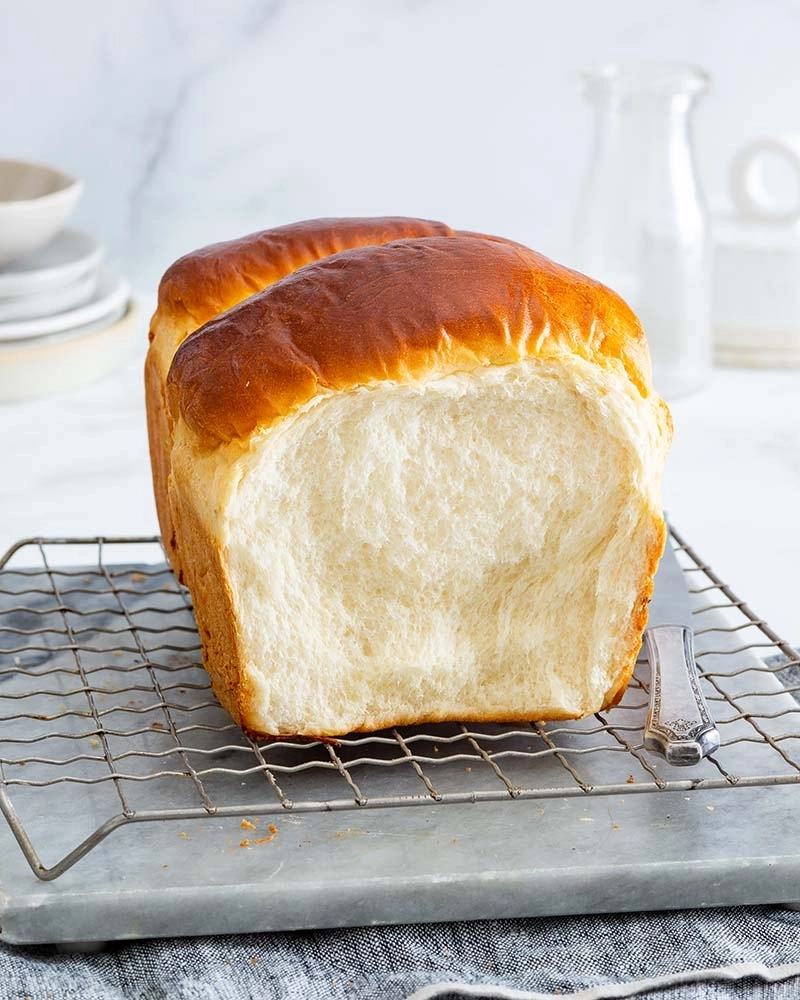
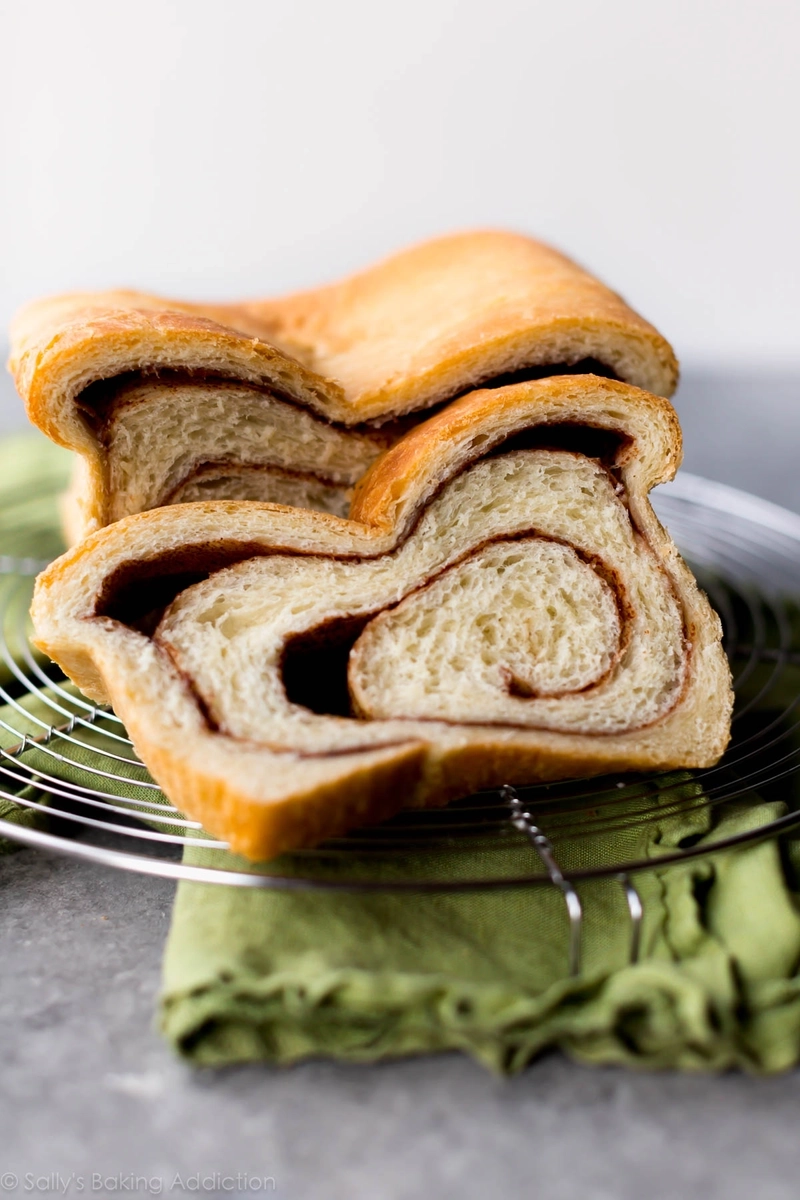
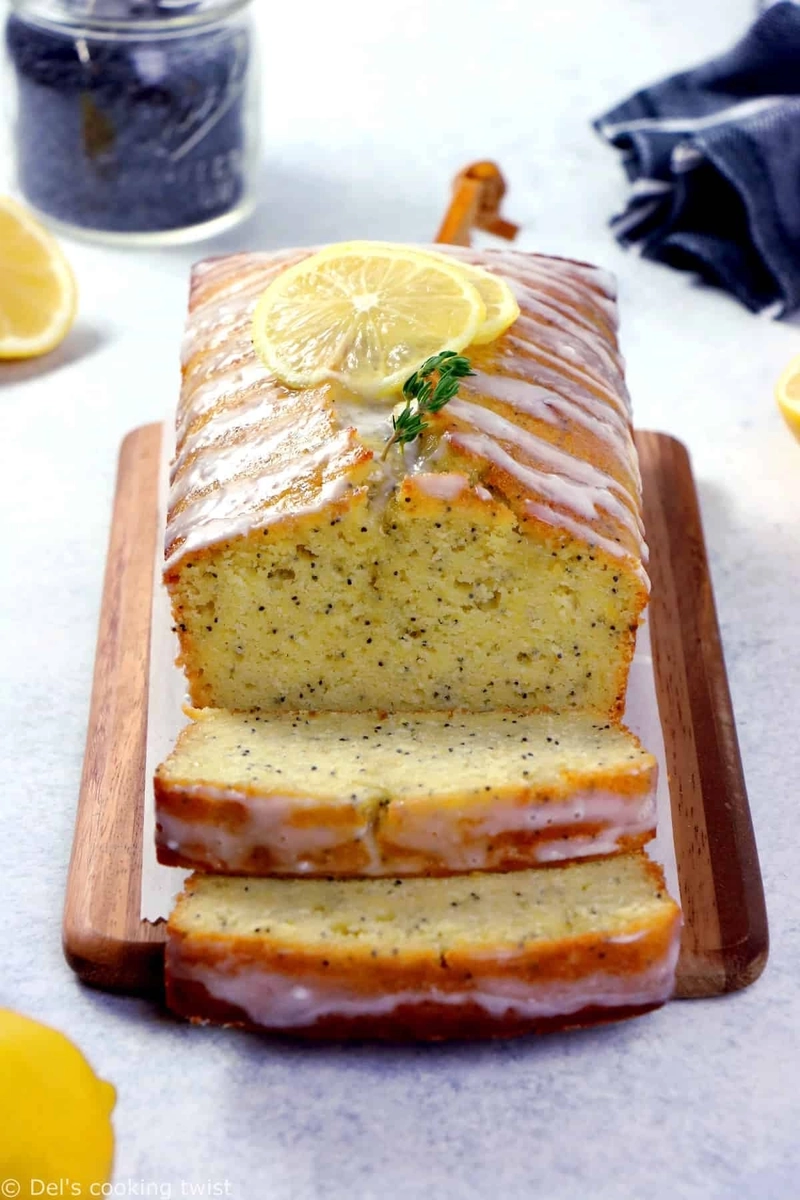
Moist breads





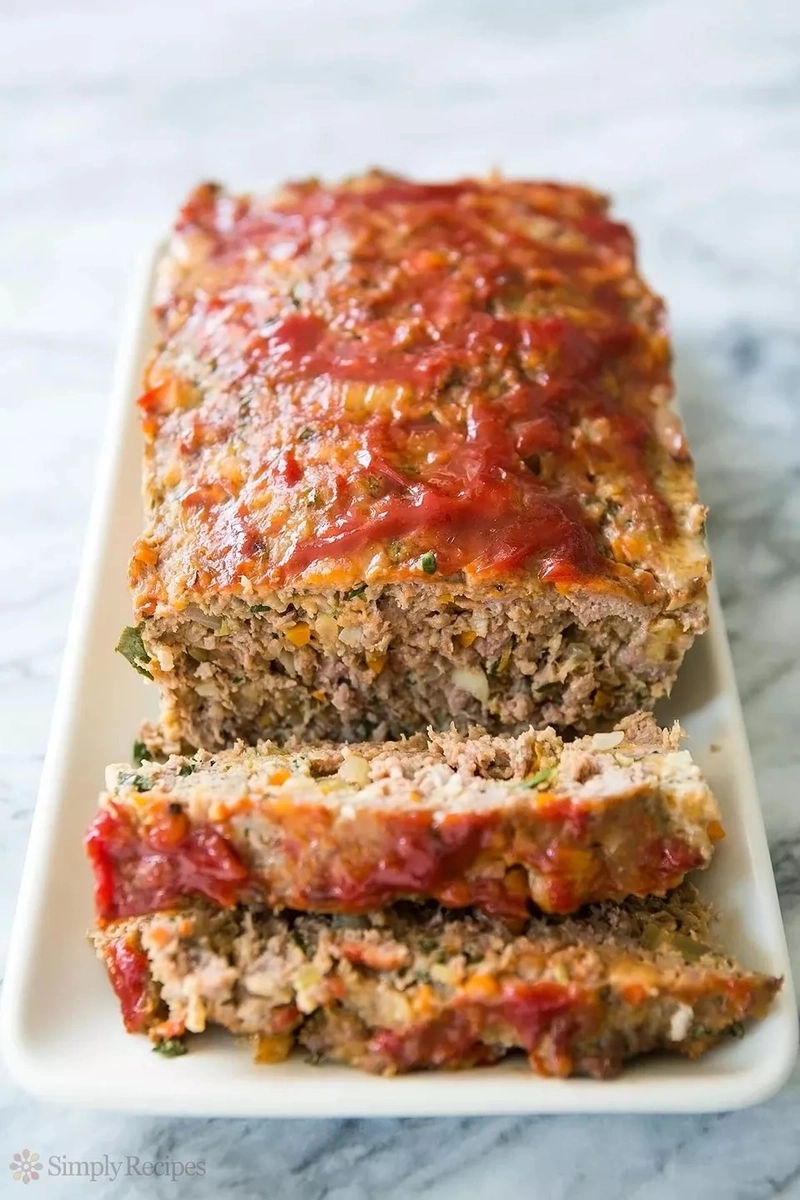
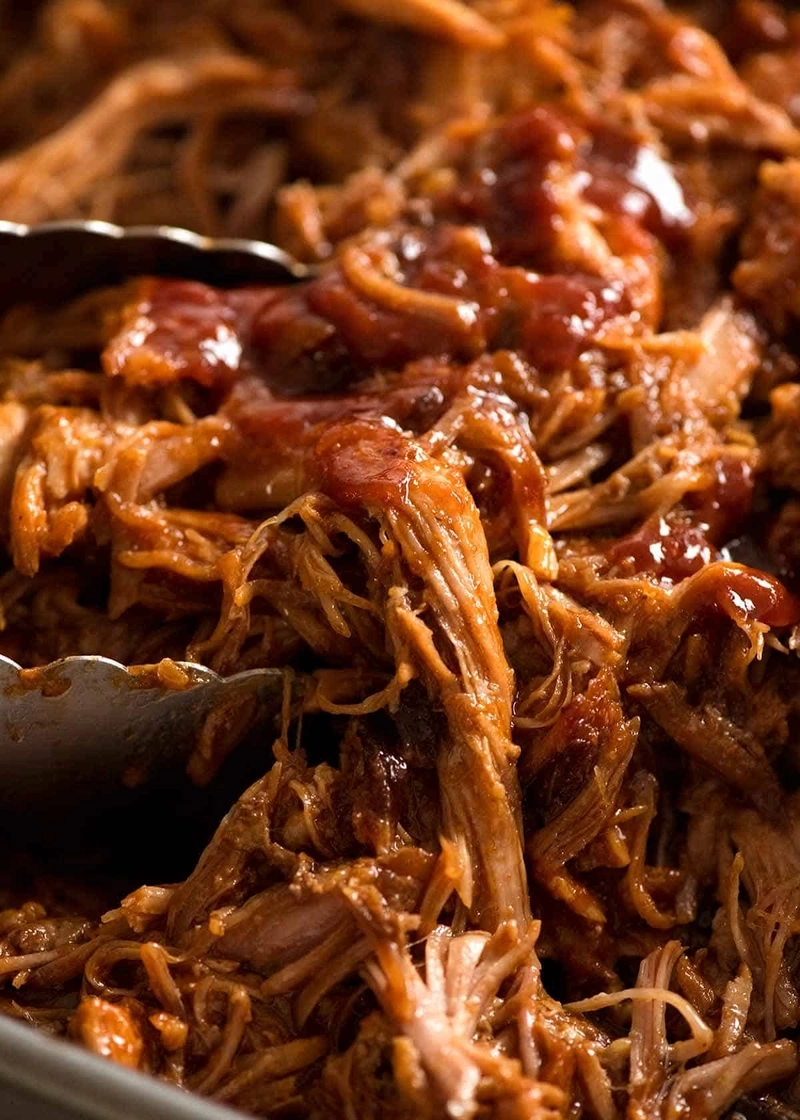
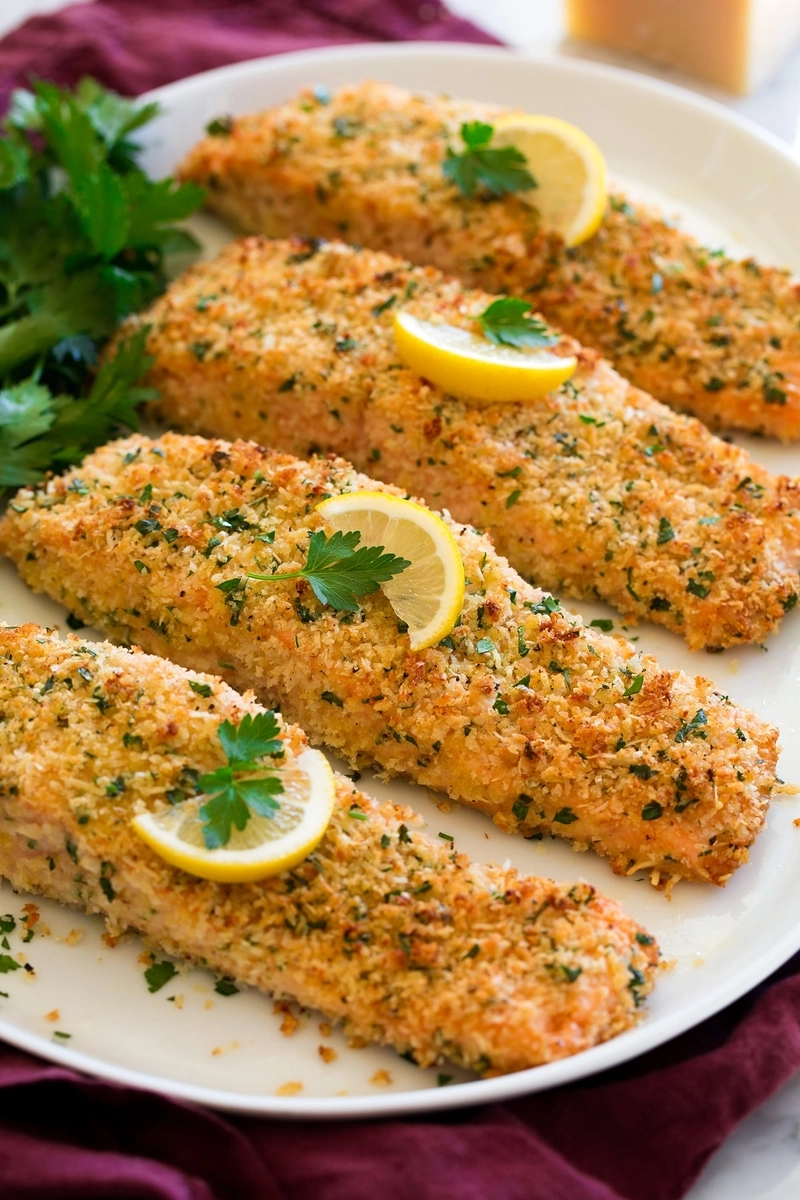
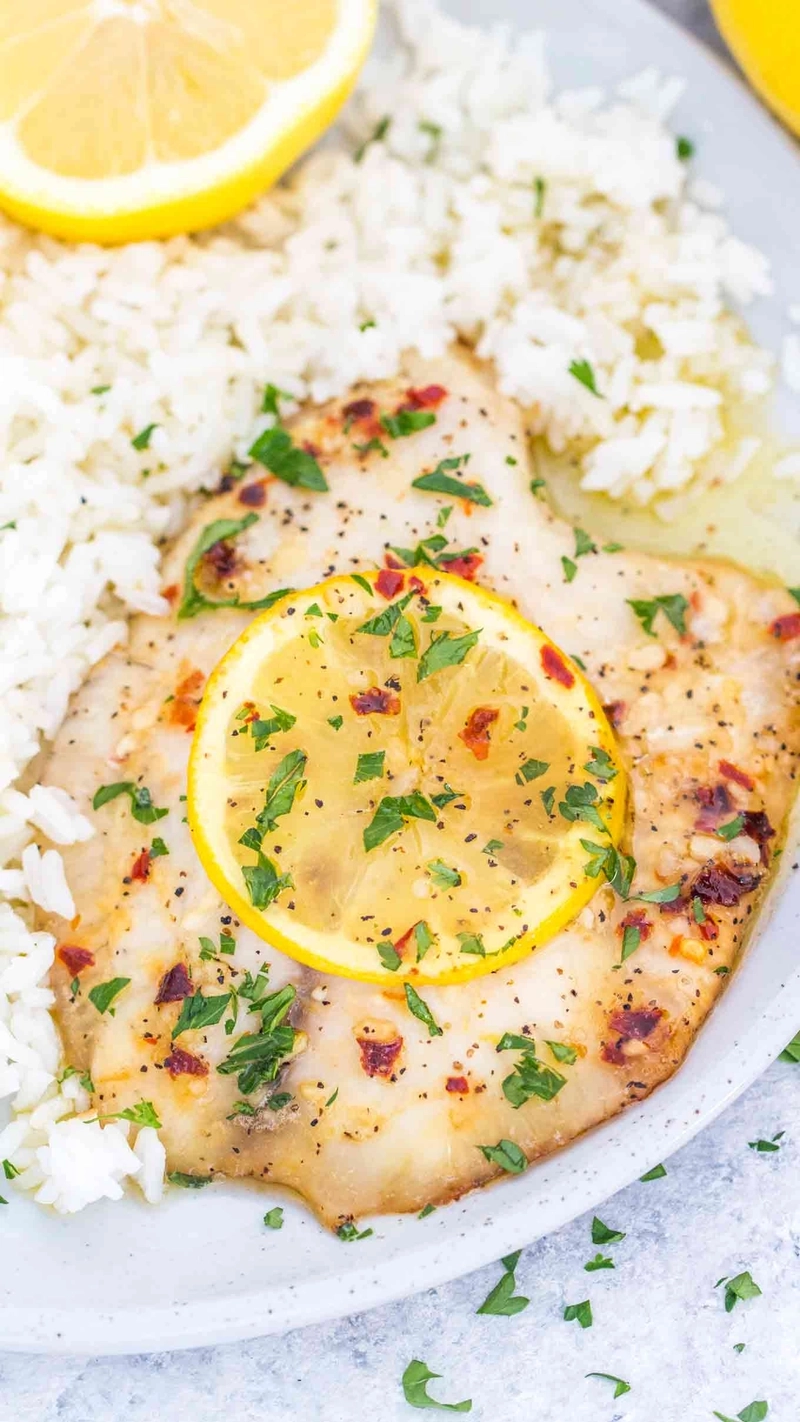
Meat and fish





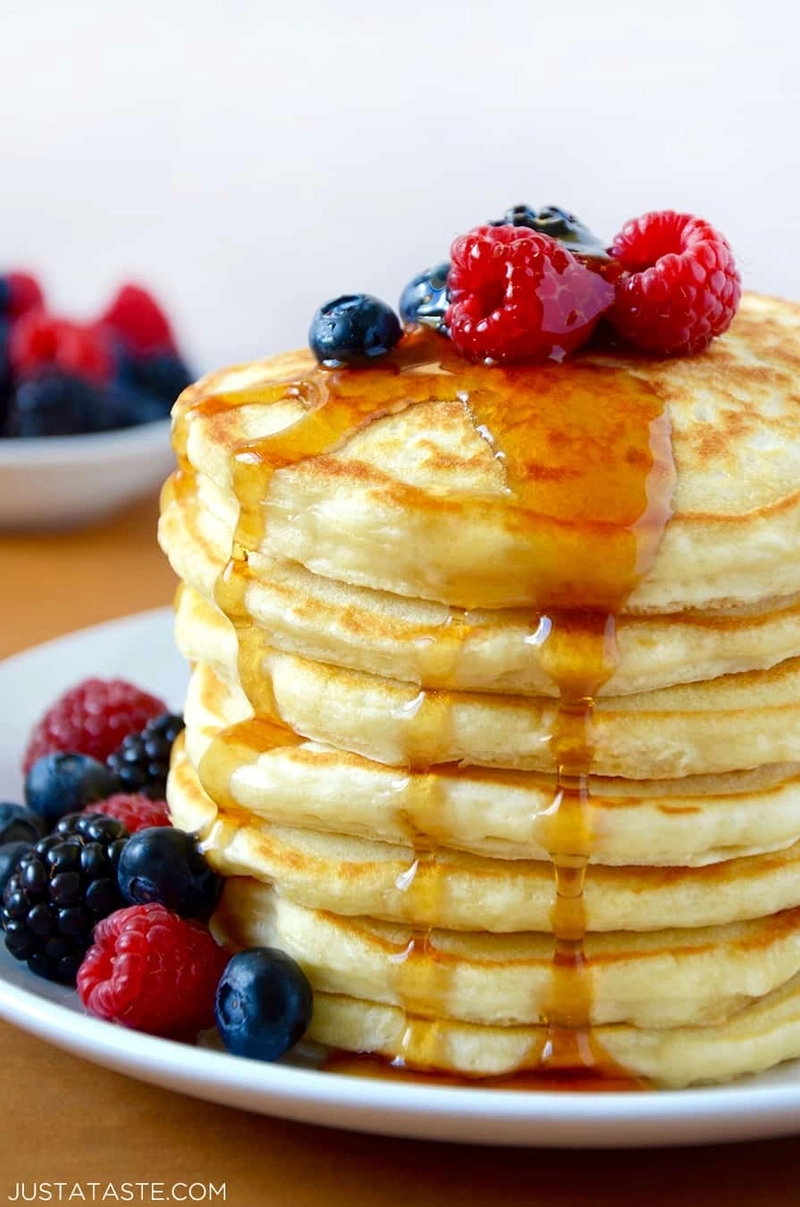
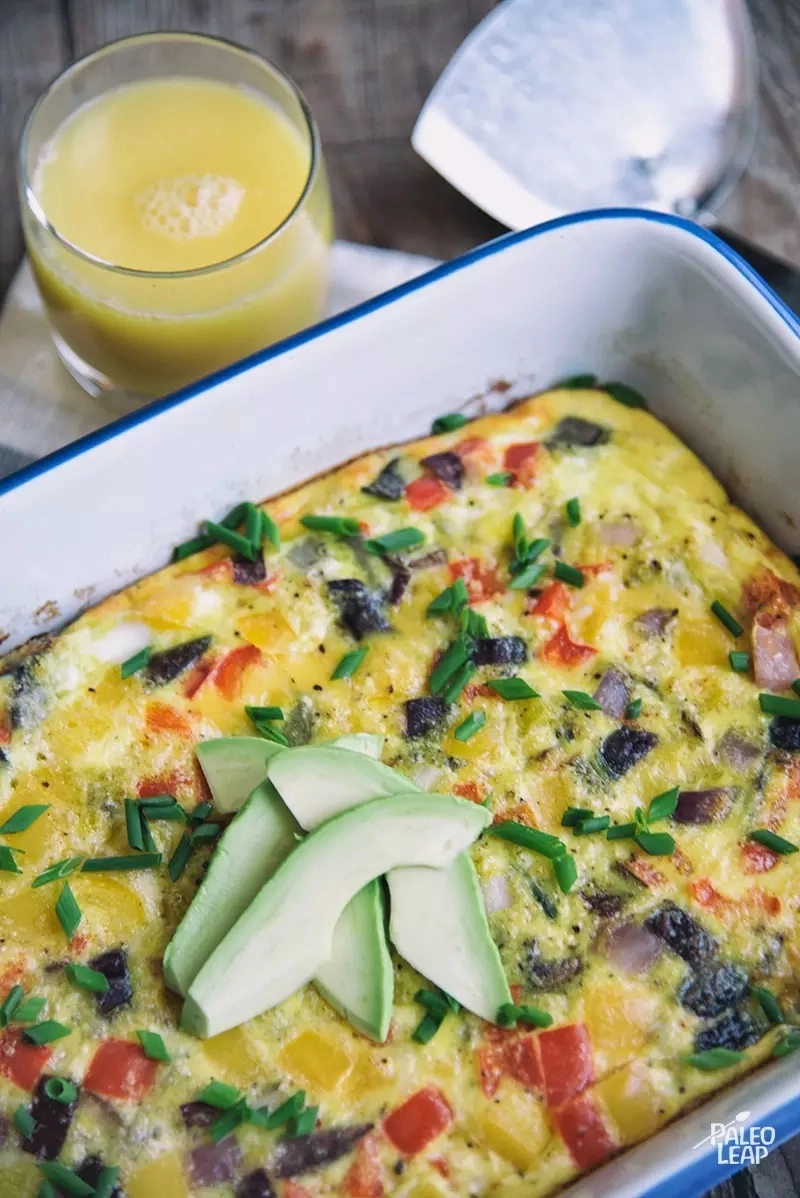
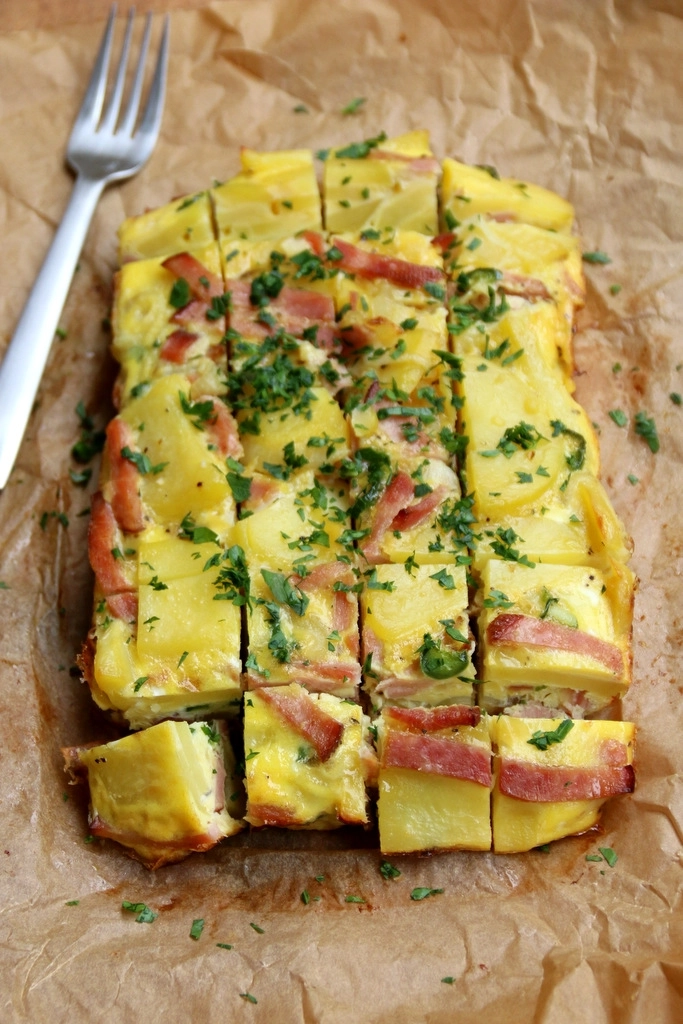
Pancakes and omelettes
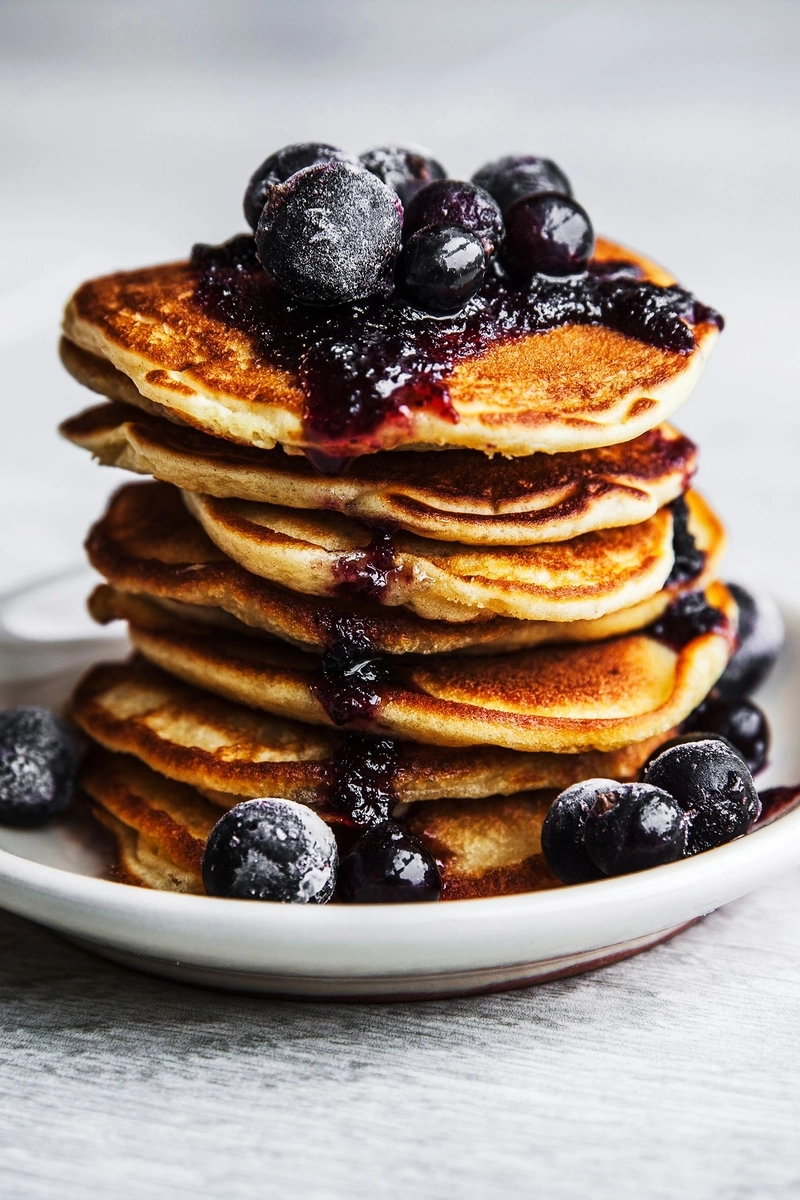
Cottage cheese pancakes with blueberries

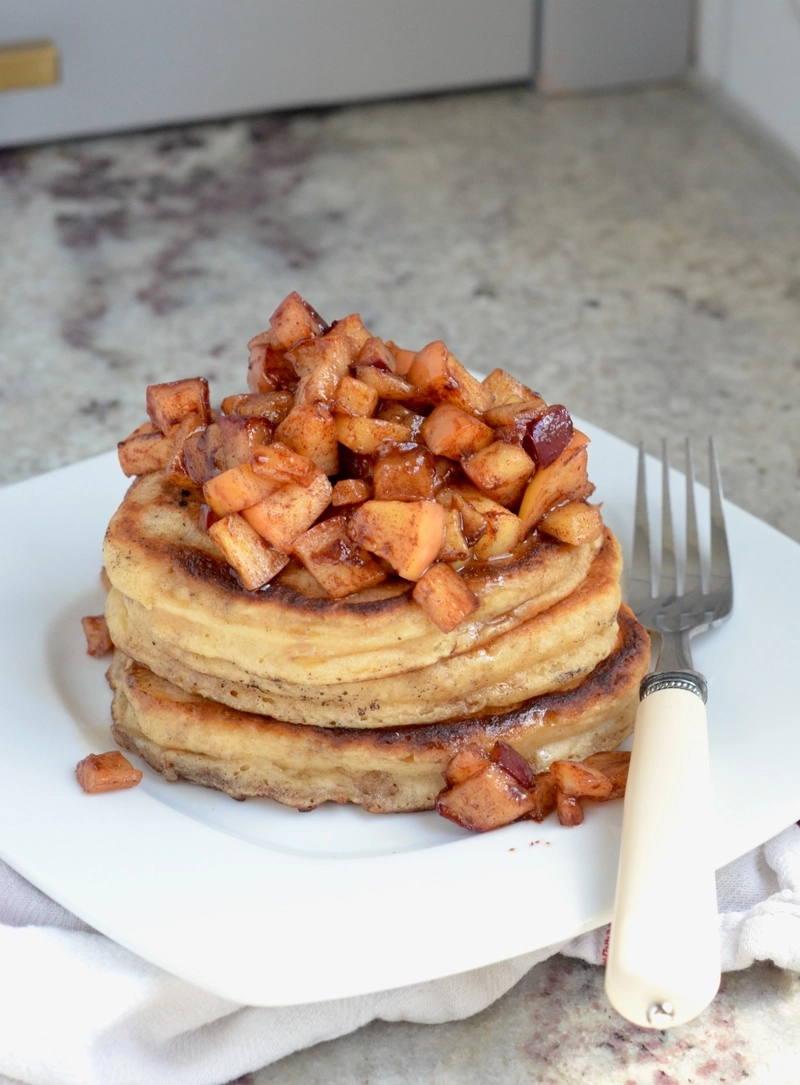
Buttermilk pancakes with cinnamon apples







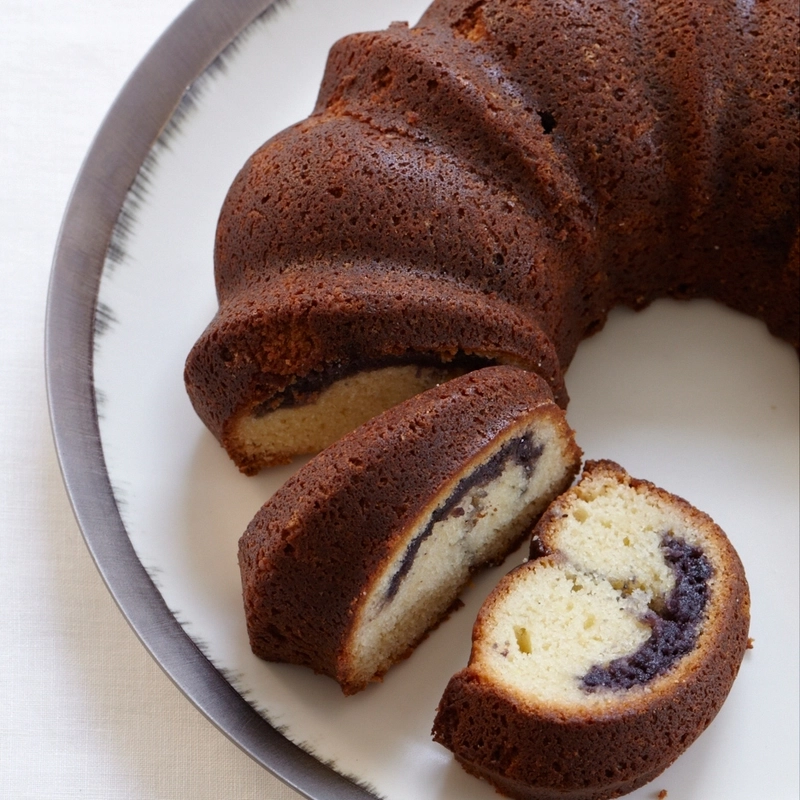
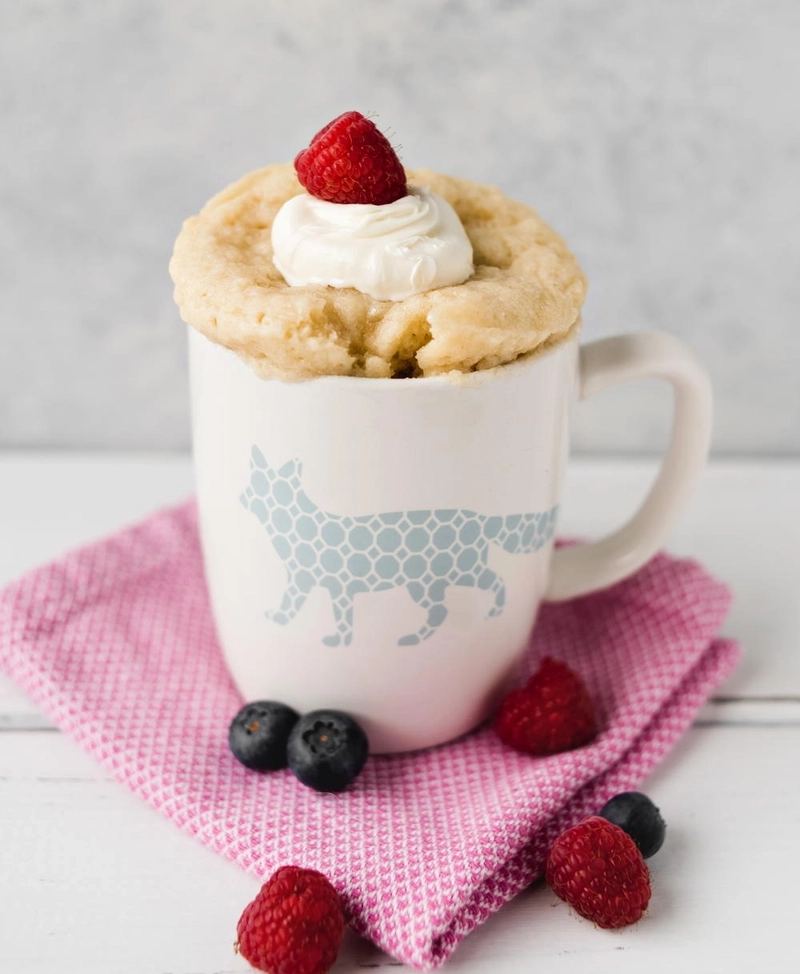
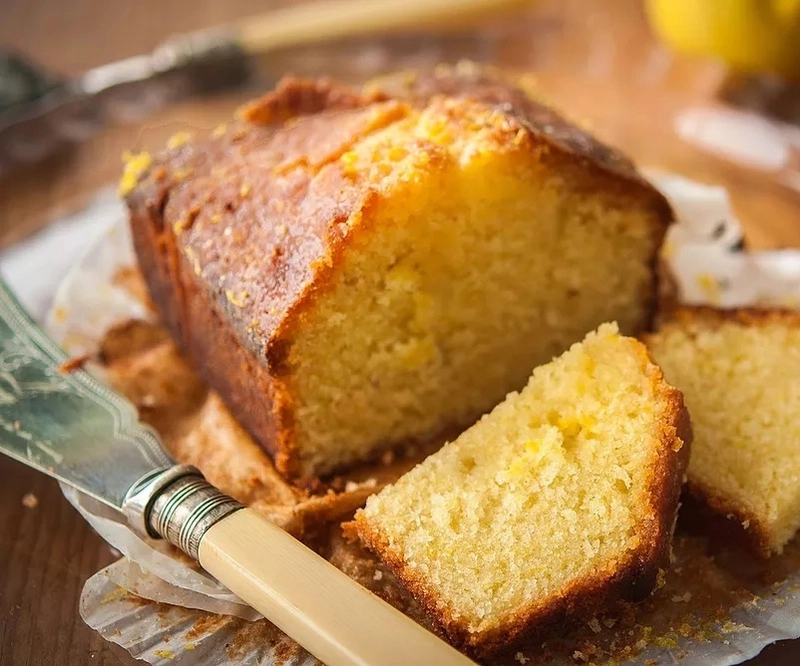
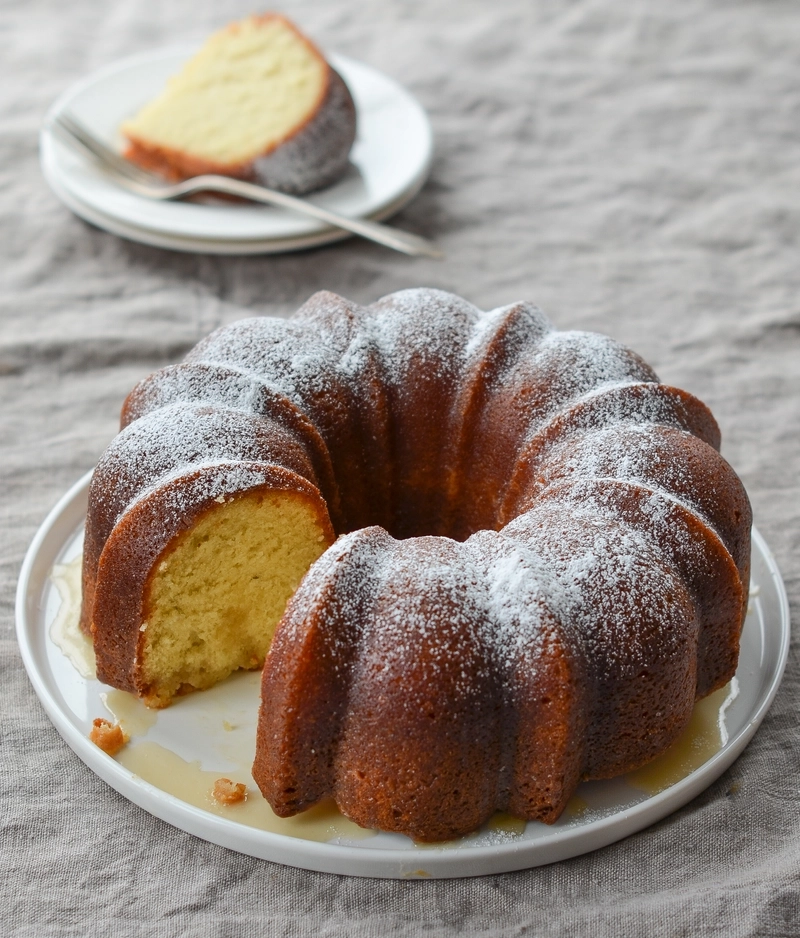
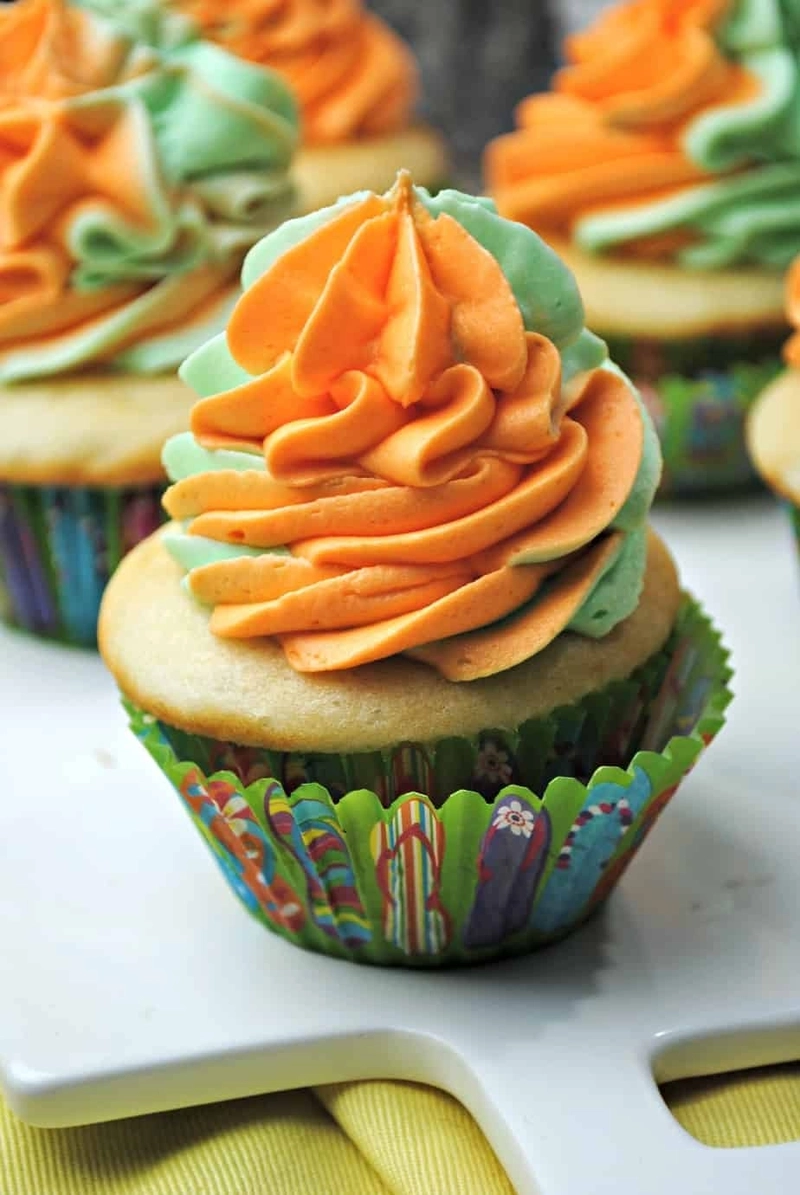
Moist cakes

Blueberry-sour cream coffee cake








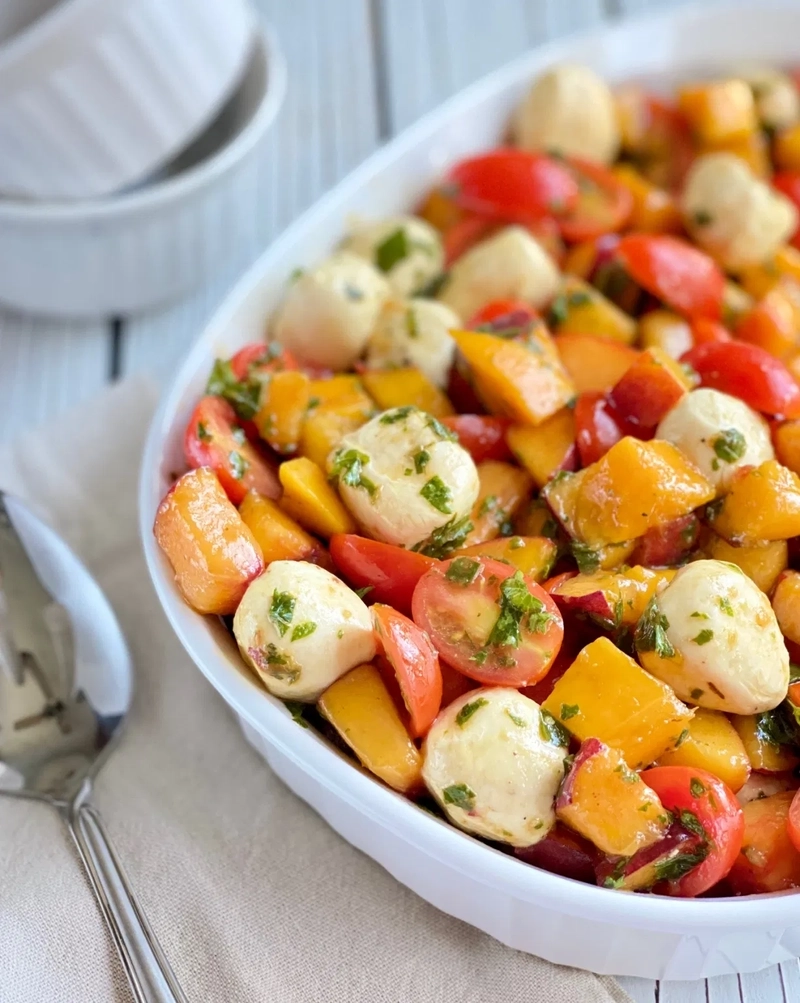
Fruits and vegetables
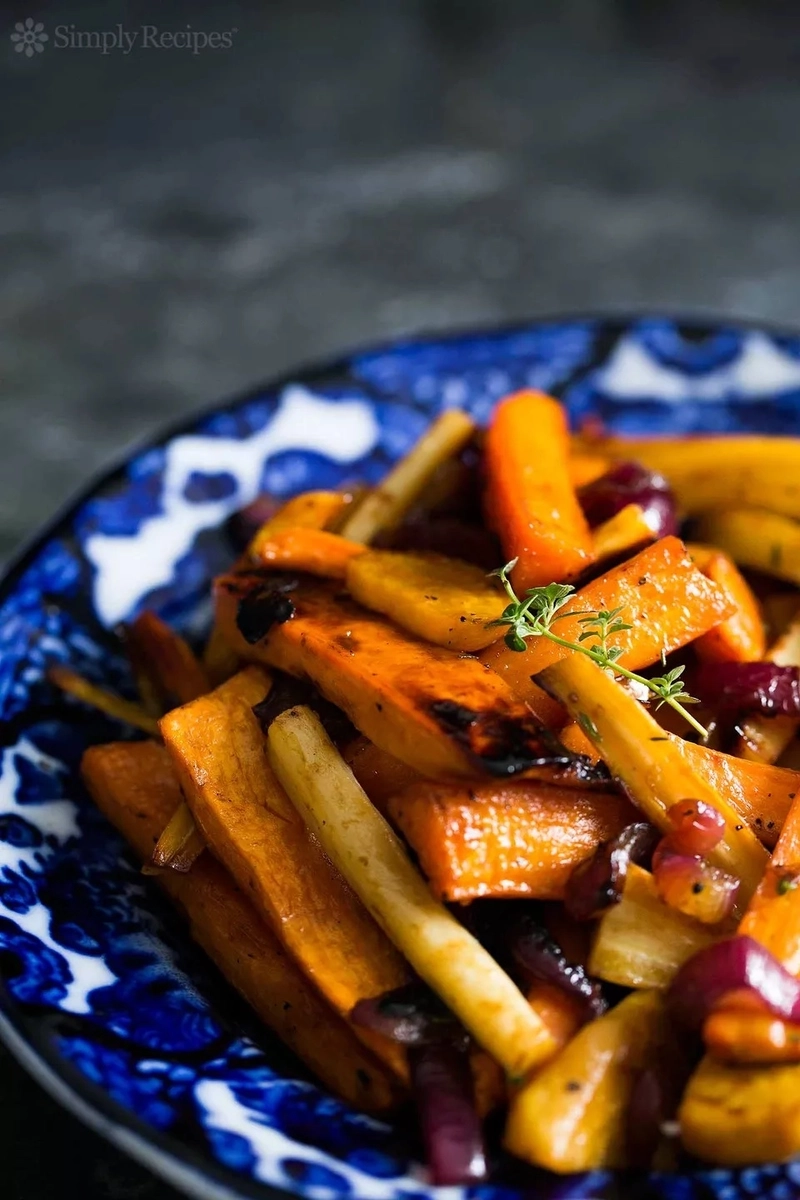
Cider vinaigrette roasted root vegetables







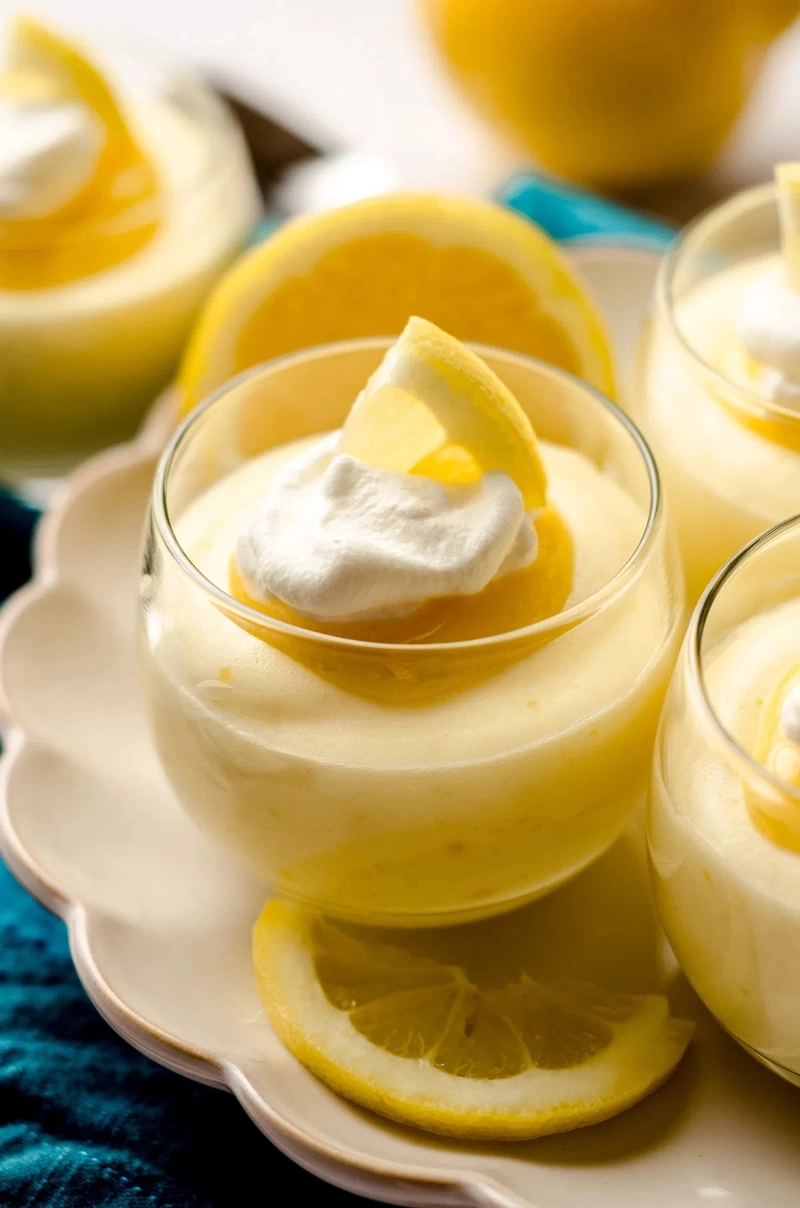
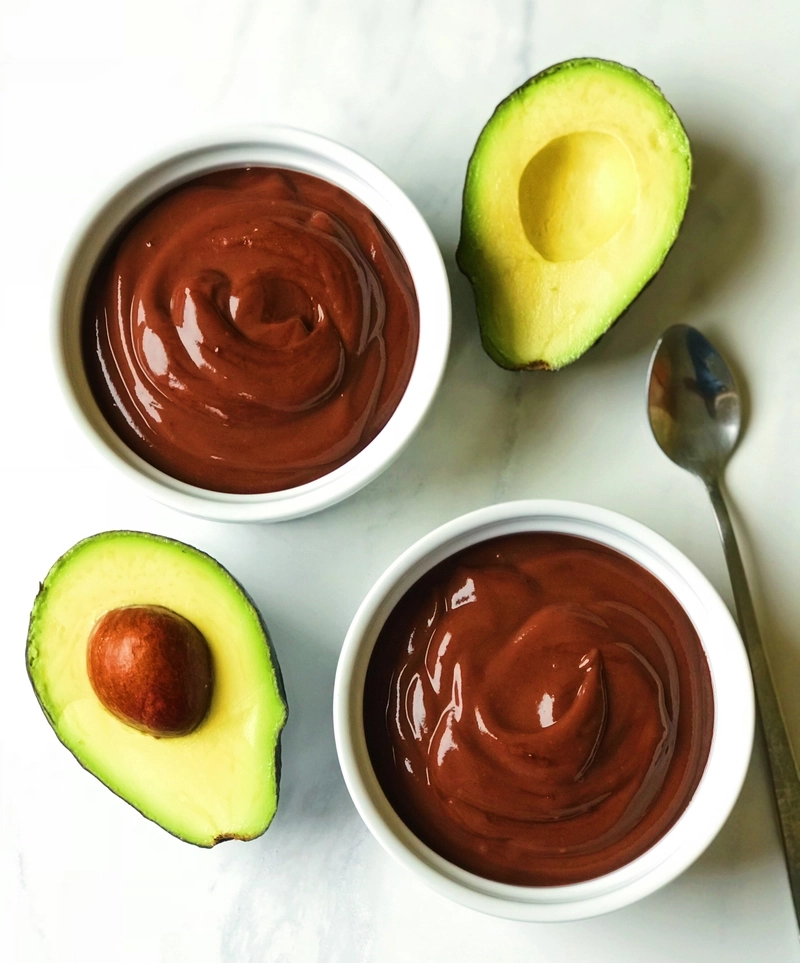
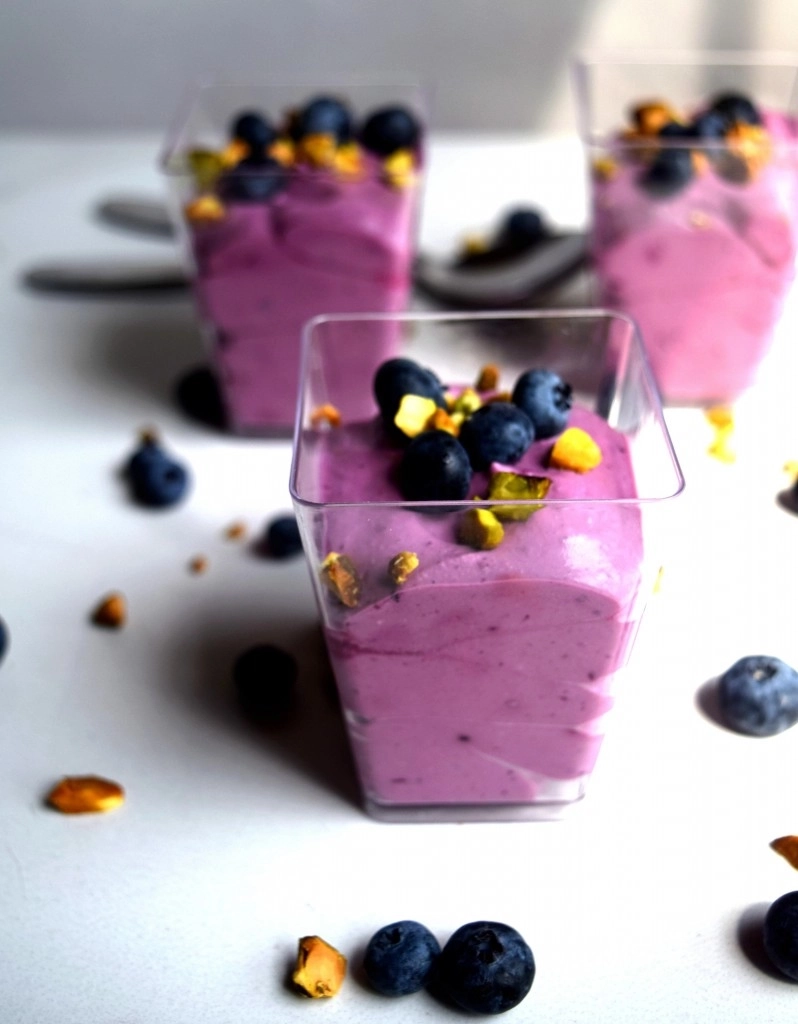
Mousses





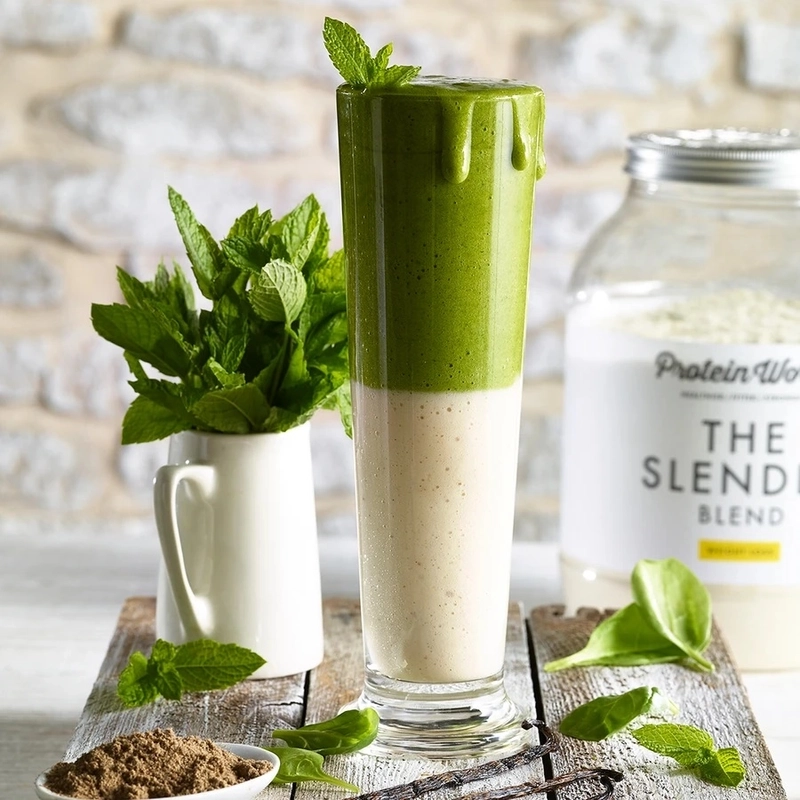
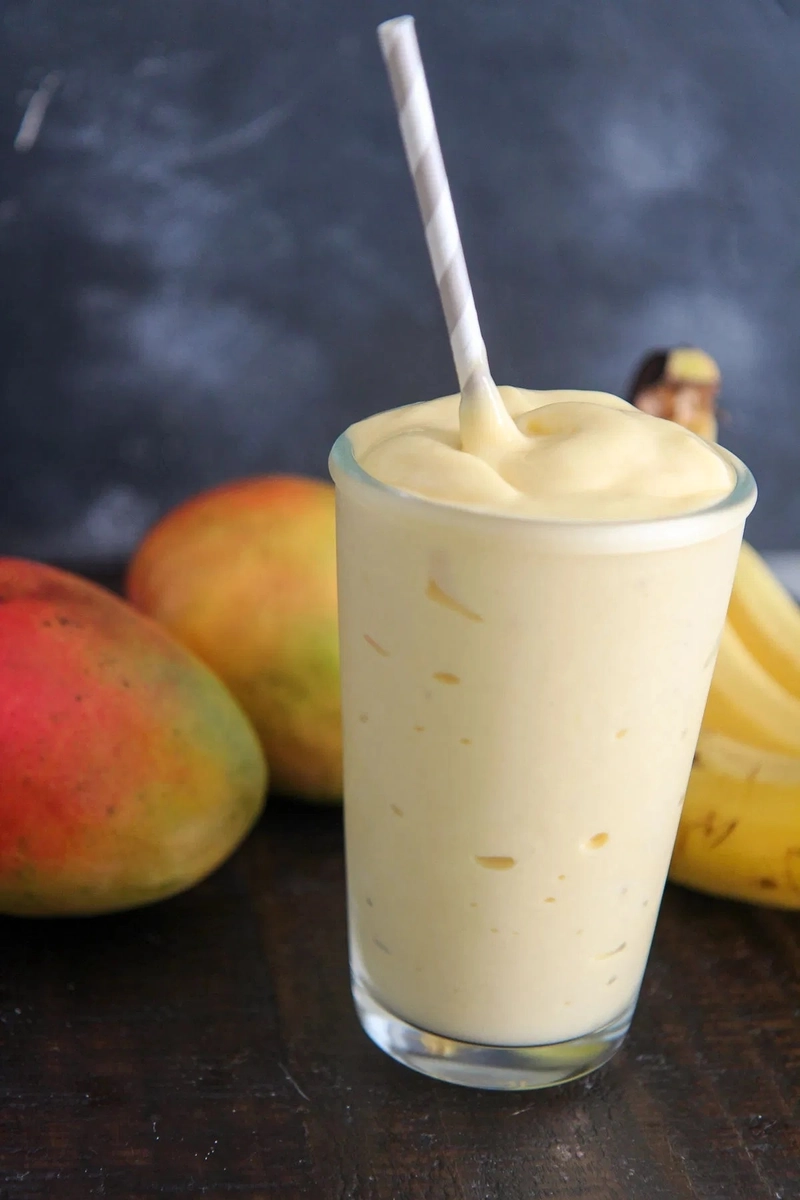
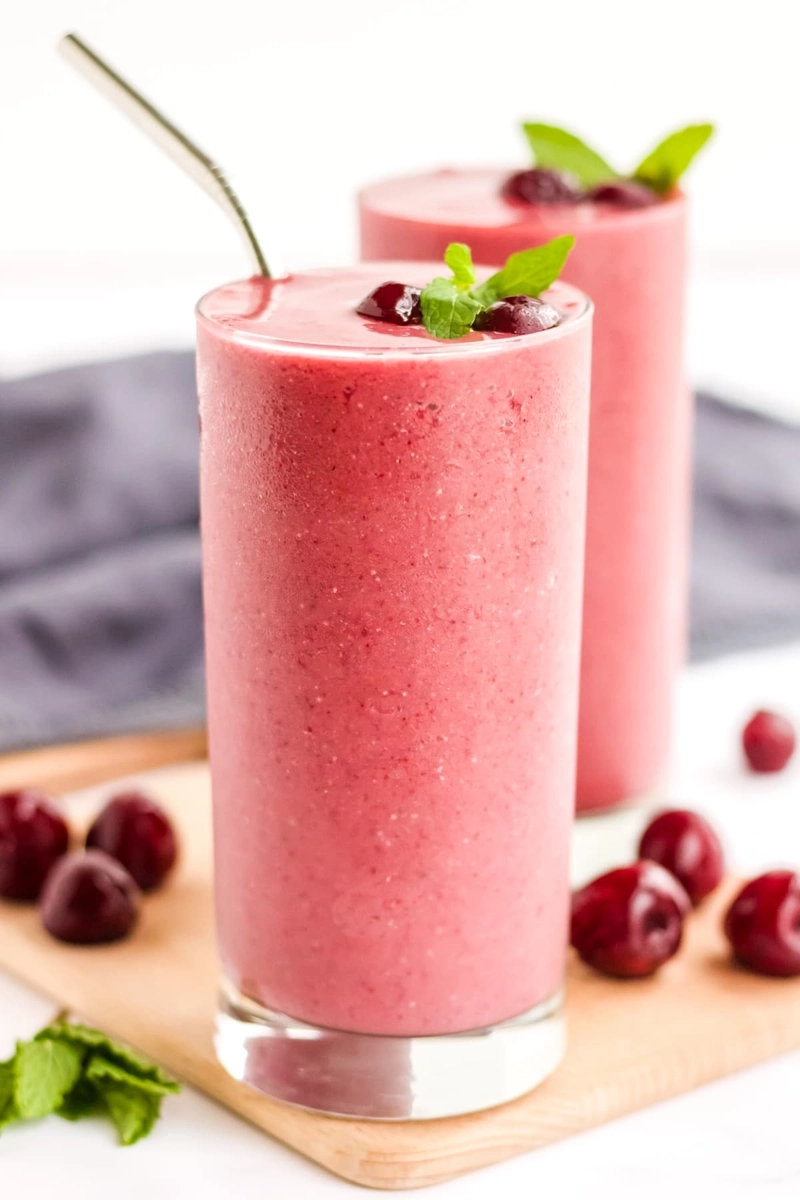
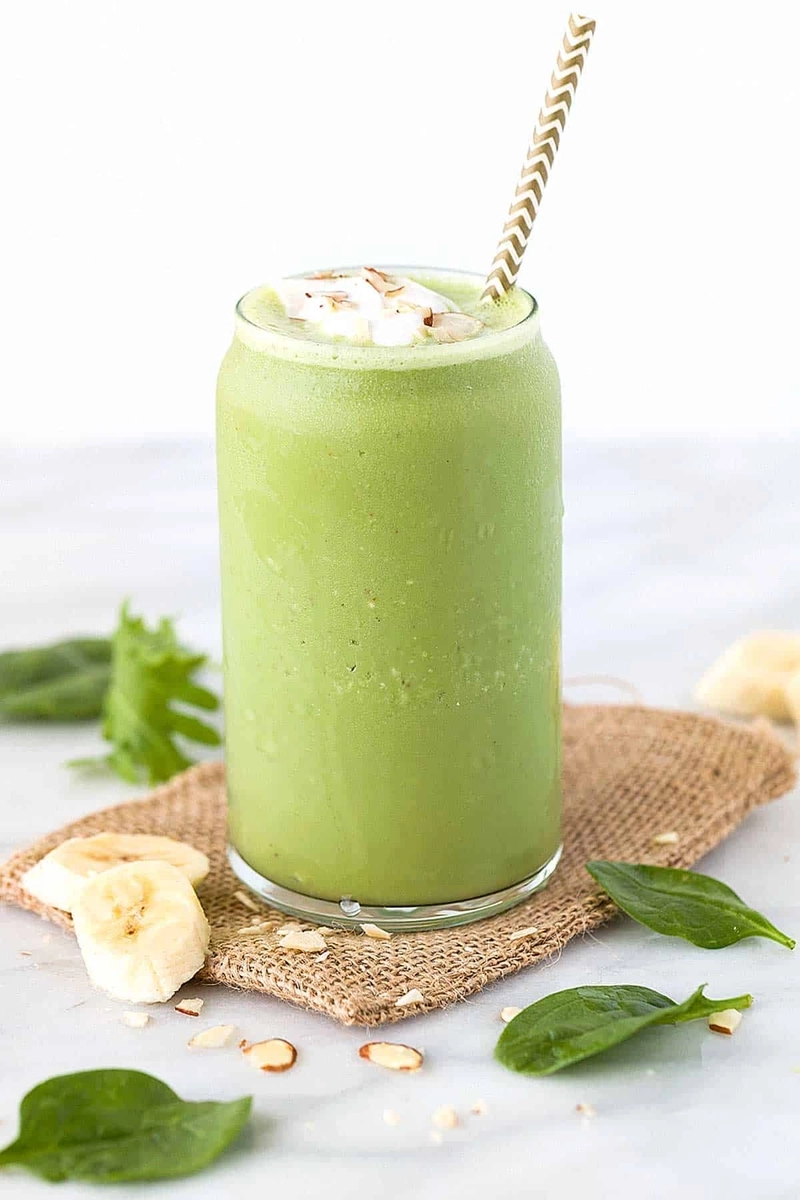
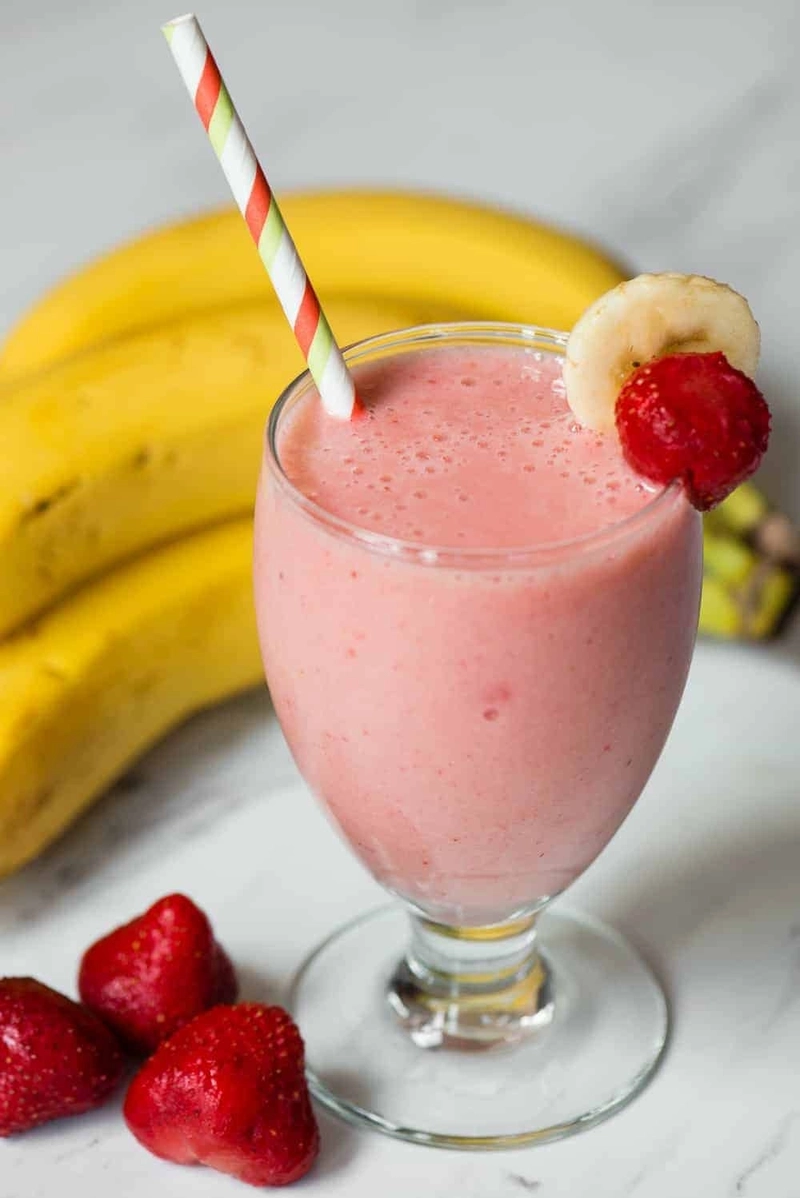
Smoothies

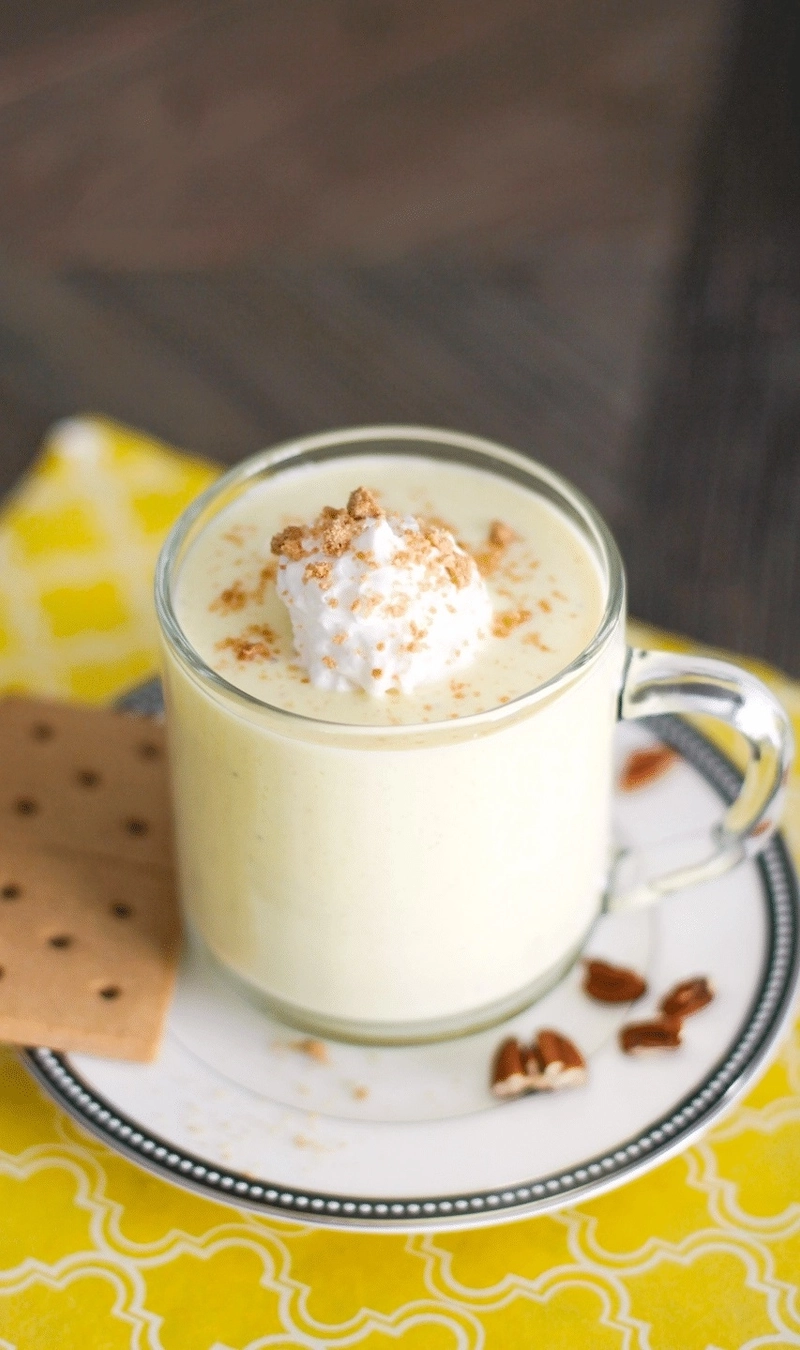
Healthy banana cream pie milkshake






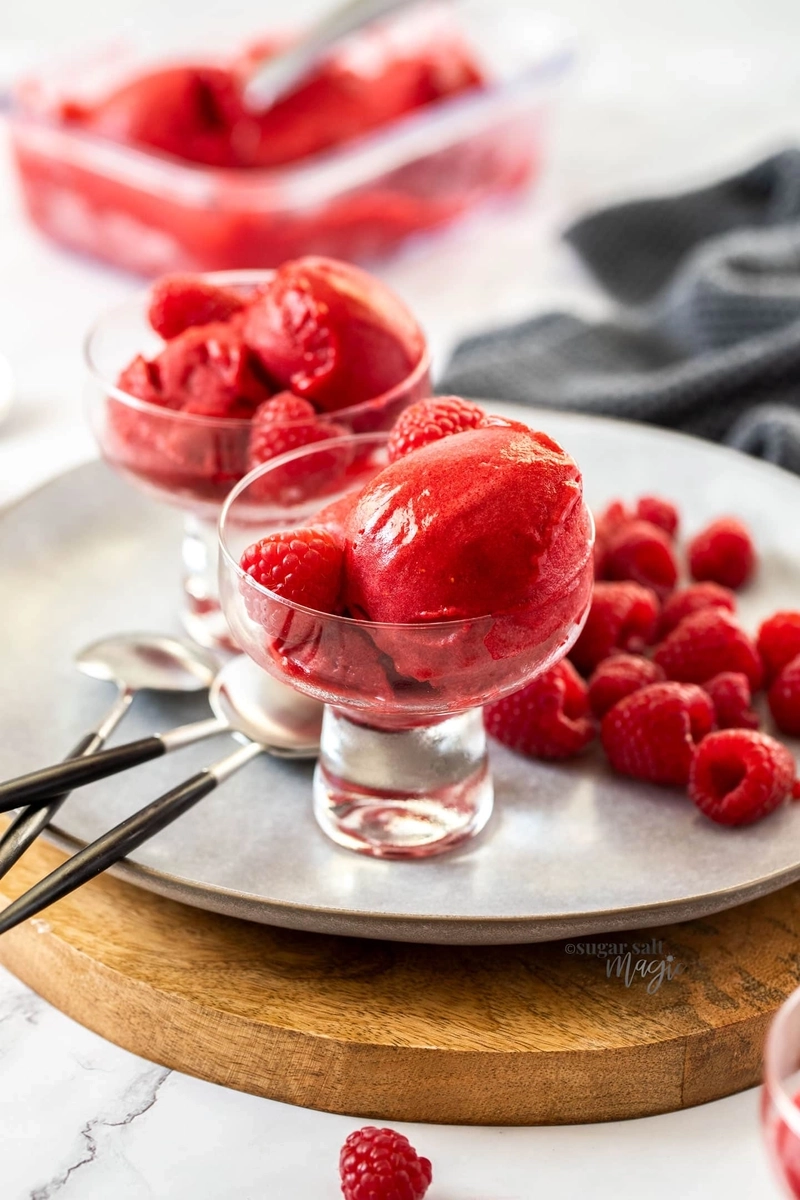
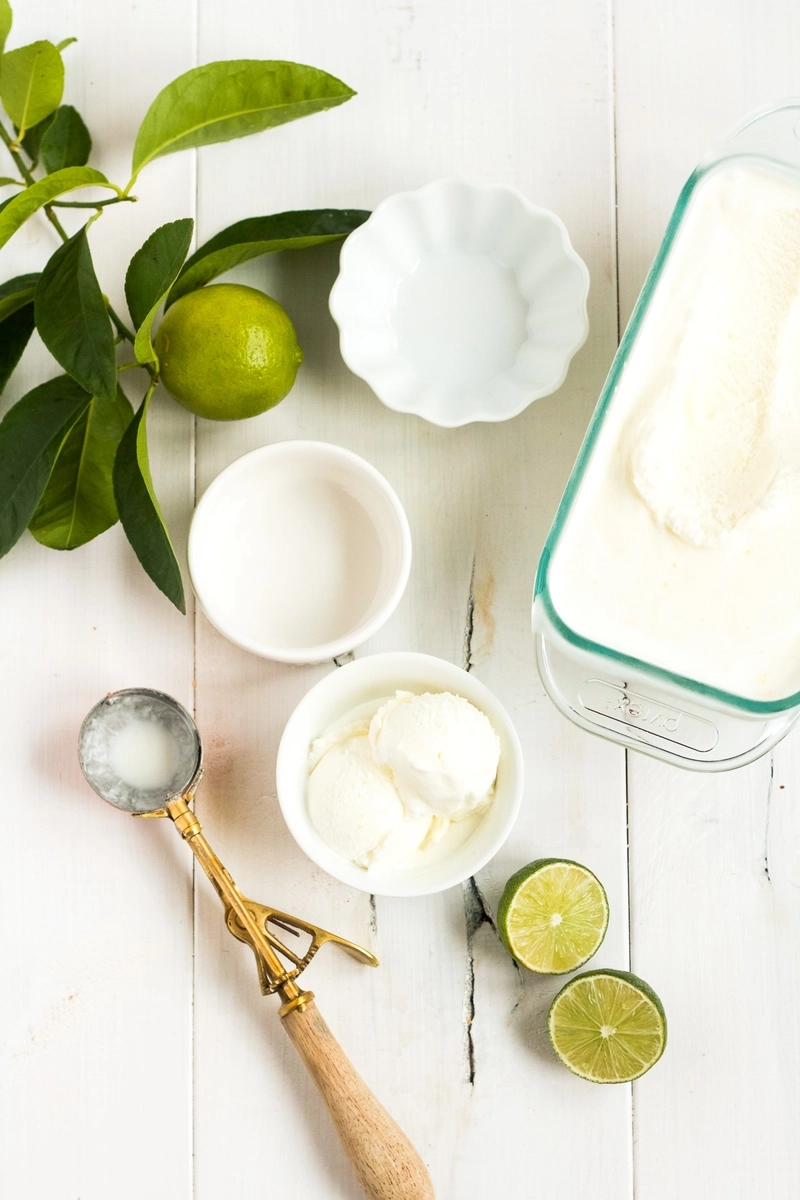
Sherbets




FAQ
What are some good soft food dinner ideas?
Soft food dinner ideas include mashed vegetables, soft casseroles, soups, scrambled eggs, slow-cooked fish, oatmeal, and well-cooked pasta. These meals are easy to chew, filling, and suitable for people recovering from dental procedures or following a soft food diet.
What can seniors eat if they have no teeth?
Seniors with no teeth can eat soft meals like pureed soups, mashed potatoes, yogurt, smoothies, soft eggs, cooked cereals, and finely minced or blended foods. These options provide nutrition without the need for chewing.
What are no-chew food recipes for adults?
No-chew food recipes include blended soups, smoothies, protein shakes, applesauce, pudding, cottage cheese, mashed beans, and soft fish. These foods are ideal for adults with dental pain, missing teeth, or jaw issues.
Authority Dental is transforming dental care by making it accessible to everyone. We’re your trusted source for finding affordable dentists near you — whether you need a teeth cleaning, same-day dentures, denture repairs, or walk-in emergency dental care.